


More news on this day
TUI has cancelled a river cruise on the vessel Skyla after a failure of the ship’s air conditioning system during extreme heat in Budapest, disrupting holidays for passengers and adding to a run of operational setbacks for the tourism giant.
Get the latest news straight to your inbox!
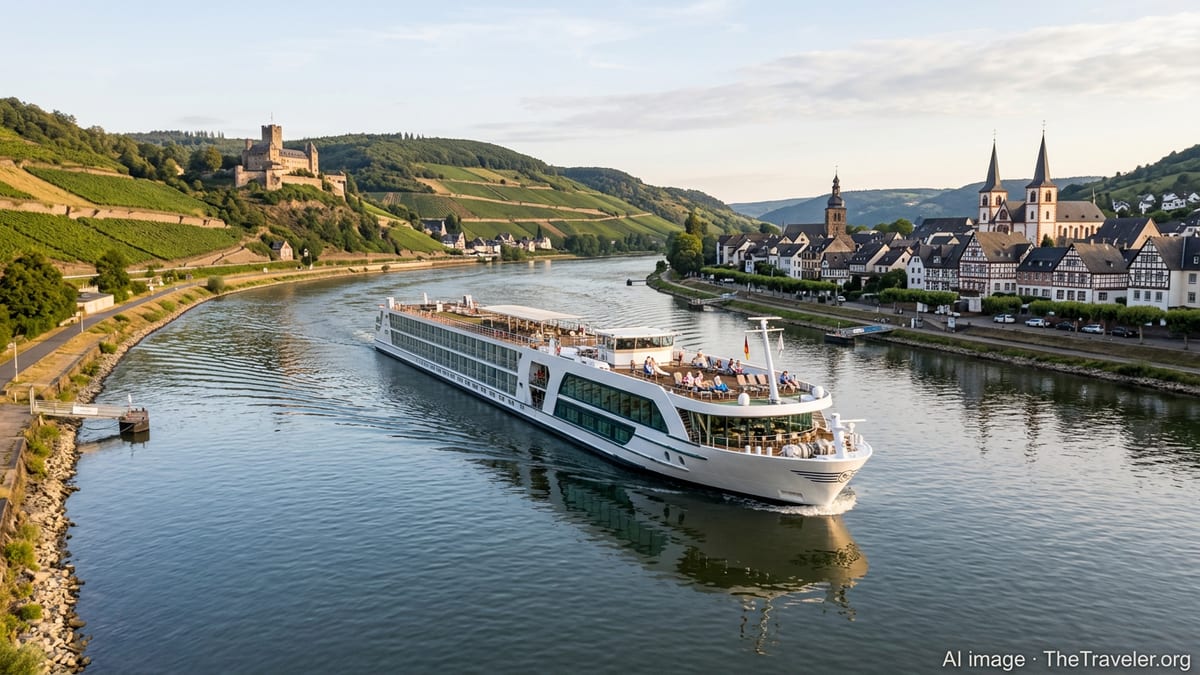
Heatwave Fault Brings Cruise to an Abrupt End
According to recent trade coverage, the TUI Skyla was forced to curtail its itinerary on the Danube after a technical issue affected the ship’s air conditioning while temperatures were unusually high in the Hungarian capital. The vessel remained docked in Budapest as engineers were brought in to assess and repair the fault.
Publicly available reports indicate that TUI decided to halt the voyage rather than continue operating with unreliable climate control on board. River cruises typically involve long hours inside enclosed spaces, making effective cooling essential for passenger comfort and wellbeing when central Europe experiences summer heatwaves.
The decision meant the voyage ended earlier than planned, with the remainder of the itinerary cancelled. The episode highlights how a single technical malfunction in key hotel systems can quickly derail tightly timed river cruise schedules along Europe’s most popular waterways.
Passengers Repatriated and Offered Refunds
Coverage in industry media states that TUI arranged hotel stays in Budapest for affected guests after they disembarked the Skyla. Customers were provided with meals and assistance while alternative travel arrangements were organised, including flights back to the United Kingdom.
Reports indicate that passengers on the curtailed sailing are being given a full refund of the cruise fare, as well as a holiday voucher as a gesture of goodwill. This approach mirrors how large tour operators generally respond when technical failures prevent a trip from continuing as advertised.
While compensation policies can vary depending on jurisdiction and booking conditions, major European travel companies increasingly move quickly to provide refunds, credits or rebooking options when disruptions are linked to equipment problems on ships or aircraft.
Setback Comes Amid Wider Operational Strains
The Skyla incident arrives at a time when TUI’s broader cruise and holiday operations have already been under pressure. Earlier this year, the group’s ocean-cruise brand TUI Cruises announced a series of cancellations and schedule changes affecting voyages in and around the Arabian Gulf region and related repositioning sailings in Europe. Those changes were linked to security concerns and shifting deployment plans, which left gaps in the company’s cruise calendar.
Separate aviation coverage has also pointed to technical incidents involving TUI aircraft, including a recent long-haul flight that diverted back to the United Kingdom following a systems issue mid-journey. While each event is unrelated from a technical standpoint, together they create the perception of a company facing recurrent operational challenges across multiple parts of its business.
For a diversified travel group that relies heavily on consumer confidence, repeated stories of cancelled trips, diverted flights or shortened cruises can weigh on brand perception, even when incidents are handled in line with safety protocols and regulatory obligations.
Rising Temperatures Put Pressure on Onboard Systems
The failure of the Skyla’s air conditioning system has drawn attention to the growing pressure that increasingly frequent and intense European heatwaves can place on cruise vessels and other tourism infrastructure. Hotel-style systems on river ships are designed to cool cabins, restaurants and lounges, but extended periods of high temperatures can expose weaknesses in older or heavily used equipment.
Industry analysts note that operators are having to invest more in preventive maintenance, system upgrades and contingencies for extreme weather, particularly on itineraries that involve inland waterways where shade and natural breezes can be limited. When temperatures climb sharply, cooling failures can move swiftly from a comfort issue to a potential health concern for vulnerable travellers.
Publicly available information on other recent cruise disruptions worldwide, including power or ventilation problems that affected air conditioning on large ocean ships, suggests that climate control failures are increasingly treated as a critical operational risk rather than a minor inconvenience.
Customer Expectations and Future Bookings
The Skyla cancellation is likely to prompt fresh scrutiny of how TUI and its competitors communicate with guests before and during disruptions. Travellers whose itineraries are cut short or cancelled at short notice typically look for clear explanations, timely updates and straightforward compensation options.
Travel trade coverage of similar cruise incidents suggests that operators that are transparent about technical issues and generous with refunds or rebooking opportunities are better able to retain customer loyalty, even when trips do not proceed as planned. Conversely, confusion over entitlements or slow communication can lead to reputational damage long after a technical fault has been resolved.
For TUI, the latest disruption underscores the delicate balance between operating complex, asset-heavy travel products and maintaining the confidence of holidaymakers who often book many months in advance. How the group manages the aftermath of the Skyla air conditioning failure, alongside its other recent schedule changes, will be closely watched by both customers and industry observers as the peak European summer season unfolds.