


More news on this day
Two Detroit Zoo employees were injured when a car on the zoo’s miniature train derailed, disrupting a popular visitor attraction and prompting questions about ride safety and future operations at the suburban Detroit destination.
Get the latest news straight to your inbox!
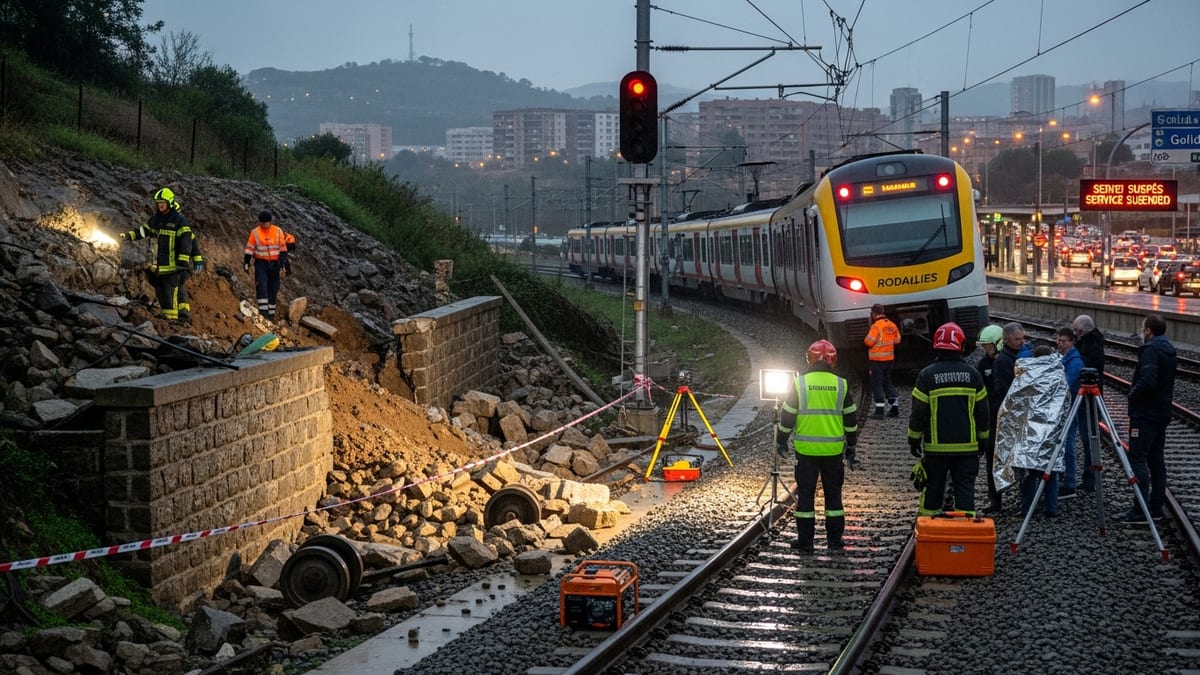
Incident on Popular Zoo Train Injures Staff Members
Recent regional coverage indicates that a Detroit Zoo train ride was involved in a derailment that left two zoo employees injured. The incident reportedly occurred as one of the passenger cars left the tracks, affecting staff members assigned to work on the train. Early descriptions suggest the derailment took place within the zoo grounds along the route that carries visitors on a loop around the property.
Published reports describe the train as a long-running attraction that offers guests a scenic overview of the zoo’s exhibits. Initial information indicates that visitors were present in other parts of the zoo at the time, but the injuries were limited to employees associated with the train. There were no immediate indications of serious harm to guests or to animals housed at the facility.
The Detroit Zoo, located in Royal Oak just north of the city of Detroit, is a major regional tourism draw, particularly during summer months when families, school groups and out-of-town visitors make frequent use of on-site rides and amenities. The train is one of the most recognizable features of a visit, and any disruption to its operations quickly becomes a point of public attention.
While detailed official accounts are still emerging, publicly available information points to a localized derailment of a single car rather than a high-speed crash. Even so, the incident has raised concerns among regular zoo visitors who regard the train ride as a traditional element of the Detroit-area outing experience.
Condition of Injured Workers and Immediate Response
Local news coverage indicates that the two injured zoo employees were taken for medical evaluation following the derailment. Early descriptions circulating in regional media suggest that the employees’ injuries were not life-threatening, though the full extent of their conditions has not been widely detailed. The focus in initial reporting has centered on workplace safety and the steps being taken to review procedures for staff assigned to ride operations.
Accounts from people familiar with the zoo experience note that staff members typically ride in specific positions on the train, including at the rear car, to keep watch over passenger loading and unloading and to help monitor the ride route. Observers commenting in public forums have speculated that the affected staffers may have been riding in or near the last car of the train when it left the tracks, though this has not been formally detailed in official summaries.
In the immediate aftermath, publicly available information shows that the ride was halted and the affected section of track examined. On busy summer days the train ride often carries a steady stream of families, so even a short-term shutdown is noticeable to visitors. Reports indicate that the zoo’s broader operations continued, with animal exhibits and pedestrian areas remaining open to the public as the situation was assessed.
Regional coverage suggests that the zoo and the train’s operators will likely review inspection records, maintenance logs and training protocols as part of the response to the derailment. Such reviews are a standard part of incident follow-up for attractions involving track systems, even when injuries are limited and physical damage appears contained.
Ride Safety, Maintenance Concerns and Visitor Reactions
The Detroit Zoo train has long been considered a nostalgic favorite for local families, but some recent public comments have highlighted concerns about the ride’s comfort and age. In online discussions, riders have described the experience as somewhat rough and have raised questions about the condition of the equipment and the track, as well as exhaust from the locomotive.
These concerns add a layer of context to the current derailment. While there is no definitive link yet between any specific mechanical issue and the incident, people who follow the zoo closely have pointed out that the ride has been in service for decades. Modernization, including potential conversion to newer power systems or updates to cars and track, has been a recurring topic among frequent visitors and local residents.
Families planning trips to the zoo are paying close attention to how the situation develops. For many, the train is part of a day-long itinerary that includes marquee exhibits and special programs. Temporary suspension or modification of the ride’s schedule may influence how visitors move through the site and how much time they spend on different attractions, though the zoo’s extensive walking paths and indoor exhibits provide alternatives.
Publicly available information also indicates that the derailment comes at a time of heightened sensitivity around animal welfare and facility management at zoos nationally. While the current incident is focused on a visitor amenity rather than animal care, it has prompted renewed discussion about overall safety culture, preventive maintenance and long-term investment in infrastructure at high-traffic attractions.
Investigations and Regulatory Context for Zoo Rail Rides
Short-line and park-based rail systems like the Detroit Zoo train occupy a distinct niche in the broader rail safety landscape. Many of these rides operate on closed loops at relatively low speeds, which often leads to the public perception that they are routine and low risk. Nonetheless, transportation safety agencies and industry groups have highlighted that even small derailments can cause injuries to workers and passengers.
Public data from federal and state rail safety portals, together with prior incident reports from other local and regional rail operations, illustrate how derailments can result from a mix of factors that include track conditions, equipment wear, operator training and environmental influences such as heat or heavy use. Although the Detroit Zoo train runs on private grounds, operators typically look to broader rail safety practices when assessing incidents and considering upgrades.
Rail safety advocates often point to the importance of frequent inspections, thorough record-keeping and conservative operating speeds on curves and at switches. For zoo and amusement park settings, that usually translates to regular walkthroughs of the line, clear procedures for reporting unusual vibrations or sounds and proactive replacement of aging components before visible failures occur.
In the wake of this derailment, it is likely that the zoo’s train operation will be examined alongside this wider body of safety practice. Published coverage suggests that internal reviews and consultation with outside specialists are common after similar episodes at other facilities, sometimes resulting in track realignment, new rolling stock or updated staff training programs.
What the Incident Means for Future Visits to the Detroit Zoo
For prospective visitors, the immediate question is whether the train will be operating in the near term and what changes, if any, they should expect. While specific reopening timelines have not been widely detailed in initial coverage, ride-based attractions typically undergo inspection and, if required, repairs before being cleared to resume service after a derailment.
Travel planners and local families may wish to anticipate that the Detroit Zoo experience could temporarily emphasize walking routes and exhibit time rather than rail-based sightseeing. The zoo’s layout already encourages extensive exploration on foot, with signature attractions and children’s areas accessible without use of the train, so visits remain viable even if the ride is paused or operating at limited capacity.
The incident is also likely to influence how the zoo communicates about safety and maintenance going forward. Reports from other destinations that have experienced derailments show that many institutions respond by highlighting inspection routines, new equipment or infrastructure investments intended to reassure the public. The Detroit Zoo could follow a similar pattern, emphasizing its commitment to visitor and employee safety while sharing updates on the status of the train.
For the broader travel community, the derailment serves as a reminder that even familiar, family-focused attractions involve complex systems that require ongoing oversight. As more information emerges about the precise causes and any resulting changes, visitors planning trips to southeastern Michigan will be watching closely to see how one of the region’s best-known institutions adapts its operations and safeguards a ride that holds a special place in many Detroit-area childhood memories.