


More news on this day
Two professional firefighters died after being trapped in a fierce building fire near Bordeaux–Mérignac Airport in southwest France, an incident that disrupted flights and cast a spotlight on safety and resilience at one of the country’s busiest regional air hubs.
Get the latest news straight to your inbox!
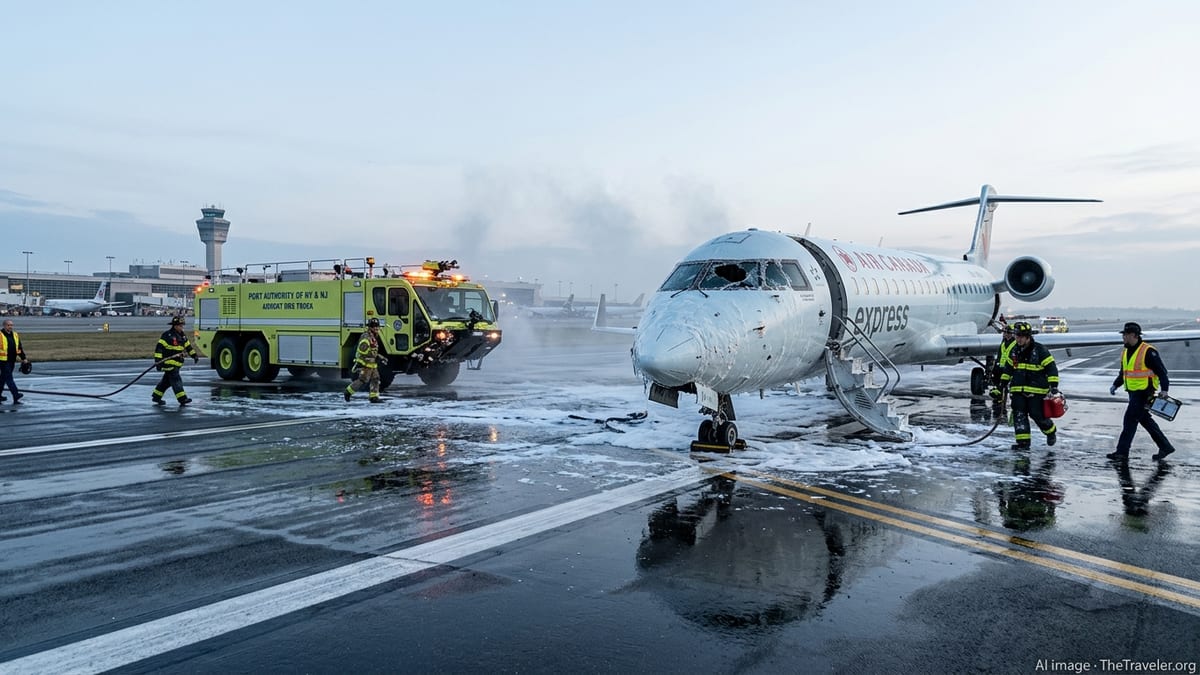
Fatal blaze erupts beside key Bordeaux air gateway
According to publicly available information, the fire broke out on Tuesday 21 July in a commercial or industrial building in Mérignac, a suburb that hosts Bordeaux–Mérignac Airport, the main aviation gateway for the wider Gironde region. Reports indicate that emergency services were called to the scene early in the afternoon as thick smoke billowed close to airport facilities and surrounding roads.
Investigators are still working to clarify the precise origin of the blaze, but early descriptions from French and international media refer to an intense fire that spread rapidly through the structure. Images shared by news outlets show dark smoke columns visible from the airport perimeter and nearby neighborhoods, underscoring the proximity of the incident to passenger operations.
Bordeaux–Mérignac Airport is among France’s top ten airports by passenger traffic, handling millions of travelers annually on domestic, European and seasonal long haul routes. The location of the fire on the airport’s doorstep immediately raised concerns about aviation safety, visibility for pilots and access roads critical for passenger and staff movements.
Local coverage notes that fire crews from Gironde and surrounding areas were quickly deployed in significant numbers, reflecting both the severity of the blaze and the sensitive location near runways, fuel infrastructure and busy approach routes to the terminal areas.
Two firefighters lose their lives while tackling the flames
Publicly available information shows that two professional firefighters were killed while attempting to contain the blaze inside the affected building. French media have identified them as experienced members of the Gironde fire and rescue service, who became trapped as conditions inside deteriorated.
Reports indicate that the structure suffered a rapid escalation in heat and smoke, creating a volatile environment that complicated navigation and escape. Details emerging in national and regional coverage suggest that parts of the building may have become unstable as the fire progressed, although the full sequence of events remains under review by technical experts and judicial investigators.
The deaths have triggered a wave of public tributes across France, with national leaders, municipal officials and firefighter associations expressing condolences and solidarity. Published coverage highlights the emotional impact on colleagues across the Gironde department, where crews have been engaged in an intense season of structural fires and vegetation blazes during an exceptionally hot and dry summer.
In the coming days, formal investigations are expected to examine whether structural characteristics, internal layouts, materials or operational constraints contributed to the risks faced by those entering the building. Findings from such inquiries often inform future training, building standards and coordination procedures around sensitive transport infrastructure.
Flight delays and operational disruption at Bordeaux–Mérignac
Travelers using Bordeaux–Mérignac on Tuesday experienced delays and adjustments as airport operations adapted to the emergency. According to published coverage drawing on aviation and local transport data, several flights were delayed while crews worked near the airport perimeter and smoke drifted across parts of the airfield.
Some aircraft approaching the airport were reportedly held in patterns or rescheduled to ensure safe conditions for landing and ground movements. On the departure side, passengers faced longer waits at gates while authorities assessed visibility and access routes, and while emergency vehicles and support teams moved in and out of the affected zone.
While full cancellations appear to have been limited, the incident reinforced how quickly a local fire near an airport can ripple across airline timetables and connecting journeys. Travelers passing through Bordeaux in the hours after the blaze were advised via airline channels and airport announcements to monitor updated departure and arrival information, particularly for domestic connections to Paris and other French cities.
Reports indicate that operations gradually normalized later in the day once the fire was brought under control and the immediate perimeter was secured. However, logistical checks, structural inspections and ongoing investigative work are likely to continue around the affected building and its surroundings, which may lead to localized traffic management and restricted access in the short term.
Safety concerns and seasonal fire pressures in southwest France
The tragedy near Bordeaux comes during a period of heightened fire risk in France, with a combination of high temperatures, prolonged dry spells and recurrent vegetation fires placing sustained pressure on emergency services. National and European monitoring data cited in recent media coverage point to tens of thousands of hectares burned across the country by mid summer, with the southwest among the hardest hit regions.
Firefighter unions and professional associations have used recent weeks to call attention to staffing levels, fatigue and equipment needs, noting that crews are increasingly asked to respond to both wildfires in rural areas and complex structural incidents in urban and peri urban zones. The Mérignac blaze, occurring so close to strategic transport infrastructure, has amplified those concerns in public debate.
For the travel and aviation sector, the incident underscores the importance of close coordination between airport operators, airlines, local fire services and municipal planners. Emergency response plans around major airports typically include detailed protocols for access routes, staging areas, and communication with air traffic control when a nearby fire threatens visibility or requires the deployment of large numbers of vehicles.
In the case of Bordeaux–Mérignac, observers will be watching whether any adjustments are made to local planning rules, fire safety standards for commercial buildings near the airport or training exercises simulating large scale structural fires in the vicinity of runways and terminal access roads.
Impact on travelers and regional tourism outlook
The Bordeaux region relies heavily on both air travel and tourism, particularly during the summer months when visitors arrive to explore the city’s historic center, nearby Atlantic beaches and surrounding wine country. Short term disruption at Bordeaux–Mérignac has been manageable so far, but the incident has raised awareness of how quickly unforeseen events can affect travel plans during peak season.
Travel industry observers note that airlines serving Bordeaux often operate tight schedules and rely on quick aircraft turnarounds. Even a limited period of delays can create knock on effects across regional networks, including routes linking the city to other European hubs. Travelers planning upcoming trips are being encouraged, via publicly available advisories and media travel sections, to allow extra time at the airport and to keep close track of real time updates from carriers.
At the same time, regional tourism boards and local stakeholders have stressed that the city and its surroundings remain fully open to visitors. Hotels, restaurants and tour operators continue to operate normally, with ground transport by road and rail unaffected beyond temporary congestion near the airport area during the emergency response.
As formal ceremonies and tributes are organized for the two firefighters who lost their lives, the Mérignac tragedy has also brought renewed recognition of the role of emergency workers in maintaining the safety and continuity of travel infrastructure. For many passengers passing through Bordeaux–Mérignac in the days ahead, the sight of fire crews and support teams around the airfield may carry a deeper resonance than usual.