


More news on this day
At least two people have been killed in a new attack on a Saudi Arabian airport, the latest in a string of strikes that are prompting governments to harden travel warnings and airlines to reassess operations across the kingdom.
Get the latest news straight to your inbox!
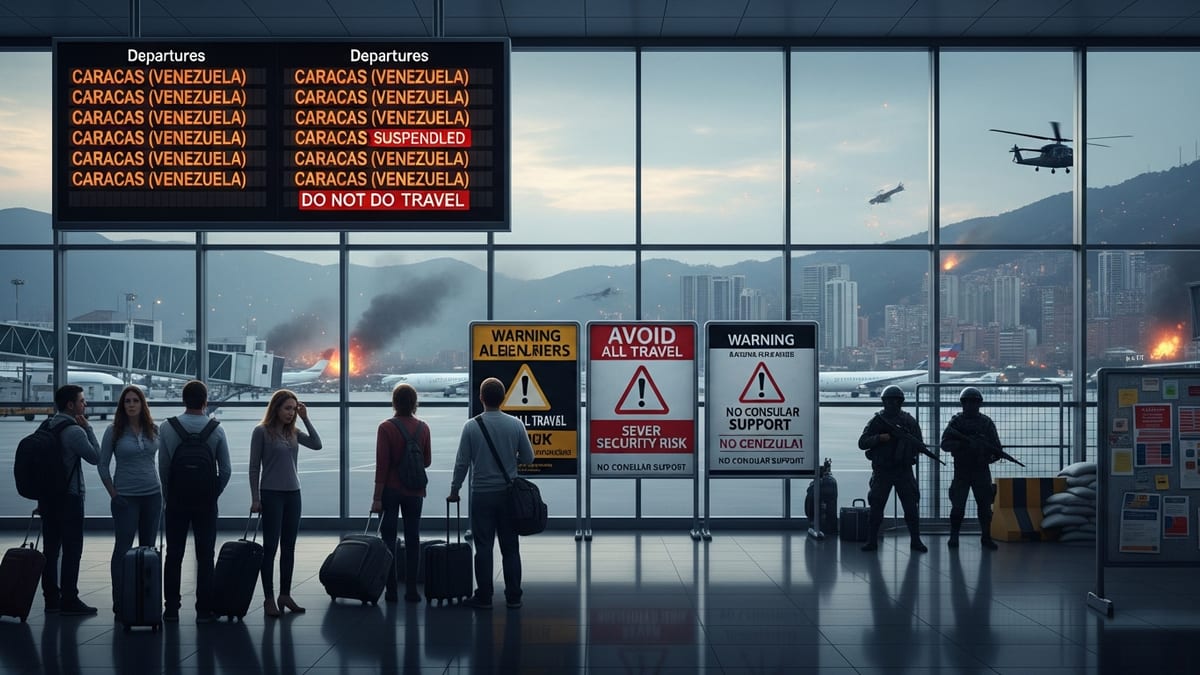
Deadly strike adds to series of airport attacks
Recent reporting from international and regional outlets indicates that the latest fatal incident occurred at a civilian airport in Saudi Arabia that has already faced multiple missile and drone attacks in October 2026. Earlier strikes this month on King Khalid International Airport in Riyadh and Abha International Airport in the southwest killed several civilians and injured dozens, underscoring the vulnerability of passenger facilities during the current escalation.
Coverage from global news agencies describes a pattern in which projectiles have hit airport infrastructure, terminal areas and at least one parked aircraft belonging to national carrier Saudia. In one earlier attack, the Saudi aviation regulator reported that foreign nationals, including passengers from North Africa, were among the dead at Abha airport, while a separate strike on Riyadh’s main hub killed three Saudi citizens and wounded others.
The latest incident, which local and international media say left at least two people dead, follows repeated claims of responsibility from Yemen’s Houthi movement for long range strikes into Saudi territory. Publicly available analyses of recent attacks suggest the group has used a mix of drones and ballistic missiles, often launched from northern Yemen toward busy civilian airports and energy facilities.
Regional observers note that the cumulative toll from airport attacks in early October has been severe. Open source tallies drawing on official Saudi statements and independent coverage indicate that more than a dozen people have been killed and hundreds injured across several separate incidents, with King Khalid International Airport in Riyadh suffering its deadliest strike in years.
Escalation fuels new travel advisories
The surge in attacks has triggered a rapid tightening of official travel guidance. The United Kingdom’s Foreign, Commonwealth and Development Office has updated its Saudi Arabia advisory to highlight what it describes as a heightened threat of attacks on airports, singling out King Khalid International Airport for particular concern and warning that it has been repeatedly targeted since early October 2026.
The advisory from London also maintains longstanding guidance against all travel to areas close to the Yemeni border, reflecting the risk from cross border missile and drone fire. Travelers are urged to pay close attention to local security announcements and to check flight status with airlines before setting out for any airport in the kingdom.
The United States has similarly revised its Saudi Arabia travel advisory in recent days. Publicly available information from the U.S. State Department notes that government employees working in the country now require special authorization to use any Saudi airport. Additional internal restrictions bar official travel within a set distance of the Yemen border and to several provinces and cities seen as higher risk.
Other embassies in Riyadh have circulated security alerts recommending that citizens avoid non essential trips to affected airports when military activity is reported. Some diplomatic missions have specifically referenced the October strikes on Riyadh’s main airport and urged nationals to follow guidance from airlines, airport authorities and local media updates.
Flight disruptions and operational changes for travelers
For passengers, the most immediate impact of the attacks has been flight disruption. Airline notices and airport statements cited in recent coverage describe temporary ground stops, evacuations of apron areas and cancellations or diversions of both domestic and international services following explosions or interception activity near major hubs.
In Riyadh, reports indicate that some flights were suspended for hours at a time after projectiles struck the airport area, with passengers moved from aircraft stands into terminal buildings while damage assessments and security sweeps were carried out. At Abha, in the southwest, previous attacks led to the closure of parts of the airport and the rerouting of traffic to alternative airports farther from the Yemeni border.
Aviation analysts point out that even unsuccessful attacks or intercepted missiles can force last minute operational changes. Airspace restrictions, debris on runways or taxiways and the need for rapid inspections of airport infrastructure can all delay departures and arrivals, complicating connections for travelers using Saudi hubs as transit points between Asia, Europe and Africa.
Travel industry observers recommend that passengers flying to, from or through Saudi Arabia monitor airline apps and messaging channels on the day of travel, as same day schedule changes have become more common during periods of heightened tension. Flexible tickets and accommodation plans are advised for those whose itineraries depend on connections through Riyadh, Jeddah or airports in the south and southwest of the country.
Official guidance for those considering travel
Despite the escalation, Saudi Arabia’s main airports remain operational, and many airlines continue to serve the kingdom. However, official guidance from governments and aviation safety bodies urges travelers and operators to treat the threat environment seriously, particularly in regions closer to Yemen and at facilities that have already been targeted this month.
The United Kingdom’s travel advice stresses that airports in Saudi Arabia could be subject to further attacks without warning, and it advises travelers to follow instructions from airport staff and security personnel if an incident occurs. The guidance also encourages passengers to keep travel documents and essential items easily accessible in case of sudden evacuations.
The U.S. State Department recommends that private U.S. citizens in Saudi Arabia enroll in its traveler enrollment program so they can receive security updates. Its public advisory highlights the risk of missile and drone attacks against populated areas, critical infrastructure and airports, and reminds travelers that local curfews, checkpoints or access restrictions may be imposed at short notice.
Specialist aviation risk resources, drawing on notices from civil aviation authorities, warn commercial operators about the possibility of both hostile strikes and defensive military activity in Saudi airspace. These assessments underscore that airports such as Abha, Jizan, Najran and now Riyadh’s main international hub have all seen hostile fire in recent years, and that the October 2026 attacks represent a significant escalation in both frequency and impact.
What travelers should watch in the coming days
In the near term, the key variables for travelers will be the pace of any further attacks and the response from Saudi authorities and international partners. Regional reporting indicates that Saudi Arabia has been working with allied governments to bolster air defenses, including additional patrols aimed at intercepting drones and missiles before they reach populated areas.
Travelers planning journeys to Saudi Arabia in the coming days are being advised by many foreign ministries to track official advisories closely, particularly sections related to air travel and safety and security. Any change in the overall national travel rating, or in specific warnings regarding Riyadh, Abha or other airports, is likely to be reflected first in updated online advisories and embassy security messages.
Those already in the country are encouraged to have contingency plans for unexpected airport closures, such as knowing alternative routes or being prepared to delay non essential travel. Airline customer service channels, hotel front desks and local transport operators can provide practical, real time information if flights are disrupted by further incidents.
While the situation remains fluid, the fatal outcome of the latest airport strike and the cumulative toll of October’s attacks underline a clear shift in the risk profile for aviation in Saudi Arabia. For international travelers, that means paying closer attention to security developments than would normally be the case for a major global air hub and building extra flexibility into any travel that depends on Saudi airports in the weeks ahead.