


More news on this day
Two budget carriers that once symbolized the democratization of air travel are now on course to disappear entirely by 2027, highlighting how rising fuel prices, intense competition and fragile balance sheets are reshaping the low-cost airline sector.
Get the latest news straight to your inbox!
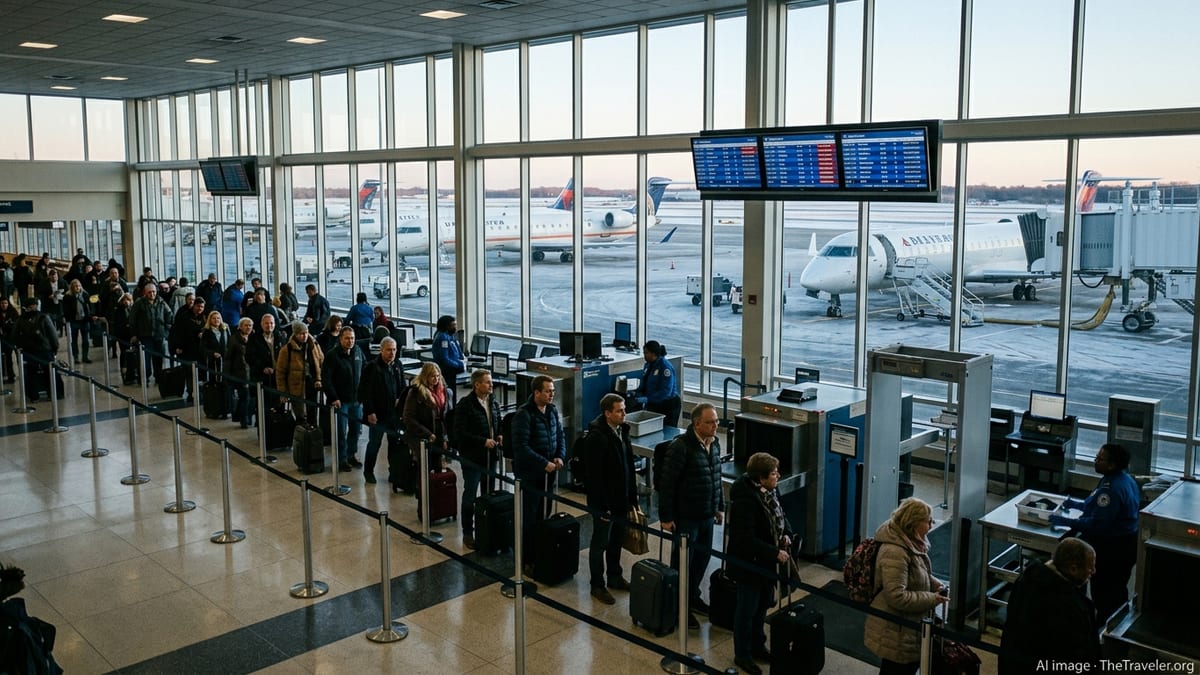
Spirit’s Sudden Shutdown Reverberates Through the Market
The most dramatic recent example is the collapse of Spirit Airlines, the U.S. ultra-low-cost carrier known for its bright yellow jets and bare-bones fares. Publicly available information shows that Spirit halted operations abruptly in early May 2026 after a last-ditch search for fresh funding and a proposed federal rescue package failed. The airline entered an accelerated wind-down process in bankruptcy court, canceling all flights and stranding passengers across its network.
According to published coverage, the airline had already been in a weakened position after years of heavy losses, a blocked merger attempt and two Chapter 11 filings. The sharp rise in jet fuel prices linked to conflict in the Middle East pushed its already thin margins into unsustainable territory. Spirit’s management disclosed in court filings that its turnaround plans had assumed significantly lower fuel costs through 2027 than the prices that ultimately hit the market.
While Spirit’s aircraft and other assets are expected to be sold off to competitors through court-supervised auctions, the brand itself is set to vanish from the skies before 2027. Analysts following the case indicate that the airline’s operating certificate is likely to be surrendered or absorbed, meaning that even if planes and routes reappear under different banners, Spirit as a low-cost carrier will not return.
The end of Spirit marks the first shutdown of a major U.S. airline in decades and removes one of the country’s most aggressive discounters. Aviation data cited in recent reports suggest that on many routes where Spirit entered, average fares had dropped significantly as rivals matched or undercut its prices. Its disappearance is expected to push ticket prices higher on several domestic leisure routes, especially from secondary airports that relied on its presence.
A Second Budget Carrier Faces an Ordered Exit by 2027
Spirit’s collapse is not an isolated story. In parallel, a smaller low-cost carrier is working through a planned exit from the market, with operations expected to cease by 2027. Public aviation records and industry coverage describe a phased withdrawal in which the airline is cutting unprofitable routes, exiting select airports entirely and returning leased aircraft ahead of schedule as it prepares to wind down.
Unlike Spirit’s sudden halt, this second shutdown is unfolding over several years through a series of schedule reductions and market exits. Reports indicate that the carrier has already pulled out of multiple regional airports and is trimming its fleet as leases expire. By the time its final agreements lapse in 2027, the airline is projected to have no active aircraft or scheduled services, effectively ending its role as a low-cost player.
Industry commentary links this drawn-out retreat to many of the same pressures that toppled Spirit. Sustained high fuel prices, more expensive aircraft financing and escalating labor and maintenance costs have all eroded the cost advantage that low-fare airlines once enjoyed. At the same time, large legacy groups and stronger low-cost rivals have deployed basic-economy products and capacity increases on key leisure routes, making it harder for smaller carriers to defend market share.
Aviation analysts note that a managed shutdown, rather than an abrupt collapse, can reduce disruptions for travelers and airports. Advance notice allows communities to court replacement carriers and gives passengers more time to adjust their travel plans. Nonetheless, by 2027 the disappearance of this airline will leave fewer low-cost choices on certain regional and short-haul routes, particularly in secondary or seasonal markets.
Why 2027 Has Become a Crunch Point for Low-Cost Models
The timelines around these two exits converge on 2027, a year that many industry observers view as a stress test for the low-cost model. Forecasts compiled by fuel and economic analysts point to a period of sustained volatility in jet fuel prices, partly driven by geopolitical tensions and supply constraints. For ultra-low-cost carriers, which typically generate slim profit margins and rely on constant high load factors, even moderate price shocks can quickly erase earnings.
Regulatory and financing trends are adding to the pressure. Stricter environmental standards in major markets are encouraging airlines to transition to newer, more fuel-efficient aircraft, which carry higher capital costs. Larger airline groups can spread those investments across vast networks, but smaller low-cost operators often depend on leasing arrangements that become more expensive when interest rates rise or investor appetite for aviation risk wanes.
Competition is also intensifying on once-underserved leisure routes. Major network airlines and resilient low-cost giants are using sophisticated revenue-management tools to target price-sensitive travelers more precisely, leaving less room for smaller discounters to undercut rivals. In markets where a carrier like Spirit once triggered double-digit fare declines, the space for independent ultra-low-cost entrants is narrowing.
These dynamics help explain why two different low-cost airlines, facing distinct financial and geographic circumstances, are both on track to vanish by 2027. Their parallel exits illustrate how quickly a model built on relentless cost-cutting and high utilization can unravel when external shocks stack up.
What Travelers Can Expect as Carriers Disappear
For travelers, the immediate concern is what the shutdowns mean for existing bookings and future fare levels. In Spirit’s case, passengers with upcoming trips were directed through public statements and bankruptcy filings to seek refunds or chargebacks, with regulators emphasizing that there would be no automatic rebooking on other airlines. That left many travelers scrambling for last-minute alternatives at higher prices, particularly on domestic routes where Spirit had offered the lowest fares.
For the second airline now working toward a 2027 exit, the wind-down is more predictable. As schedules are pared back season by season, affected customers are being offered rebooking on remaining services, vouchers or refunds, depending on the specific policies set out in carrier disclosures. Travel advisors recommend that passengers booked well into 2027 monitor schedule changes closely and keep documentation of any carrier notifications or refund offers.
Over the longer term, analysts expect average fares to rise on routes where these carriers were the primary low-cost option. Secondary airports that leaned heavily on budget airlines to attract visitors or to connect residents with major hubs face the risk of reduced connectivity and fewer nonstop choices. Local tourism boards and airport operators are already working to lure replacement services, but many will depend on larger airlines that may not replicate previous frequencies or pricing.
At the same time, some travelers may see new entrants or expansions by surviving low-cost brands. The history of aviation shows that gaps left by one carrier often attract others with new business plans. Yet the double exit lining up around 2027 suggests that any would-be challengers will need deeper financial reserves and more flexible strategies than earlier generations of ultra-low-cost airlines if they hope to endure the next cycle.