


More news on this day
Widespread flight cancellations and rolling delays across Asia are disrupting travel plans for tens of thousands of passengers, as a series of powerful typhoons and severe weather systems batter some of the region’s busiest aviation hubs.
Get the latest news straight to your inbox!
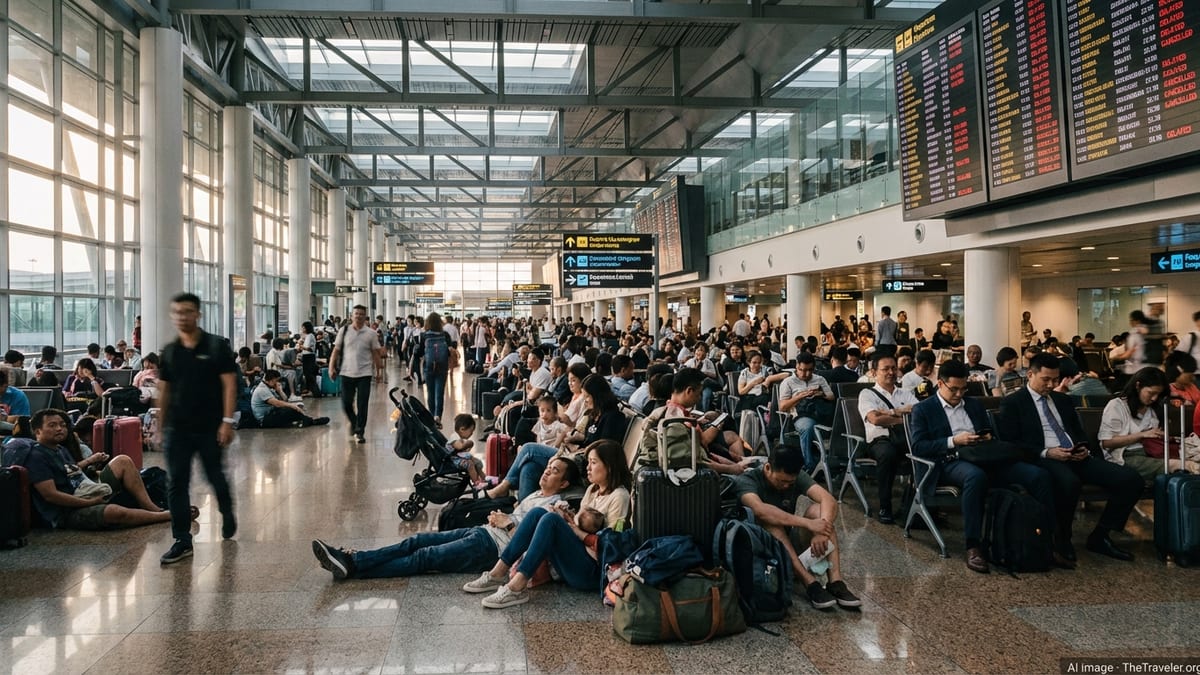
Typhoon Season Slams Core Asian Hubs
Recent typhoon activity has severely affected air travel in East and Southeast Asia, with airports in Taiwan, Hong Kong, mainland China, Japan and South Korea among the hardest hit. Publicly available flight-tracking data and airline notices indicate that hundreds of flights have been canceled or heavily delayed as storms move across the Western Pacific at the height of the regional typhoon season.
In Taiwan, reports describe widespread disruption as airlines scrubbed large portions of their schedules when a strong typhoon approached the island. Local and regional carriers suspended many services to and from Taipei and other Taiwanese cities, with knock-on effects for connections across Northeast and Southeast Asia. Travelers heading to onward destinations in Japan, Australia and North America faced cascading delays as aircraft and crews fell out of position.
Further south and west, storms tracking toward the Chinese coast have triggered additional operational challenges. Flight operations into cities such as Fuzhou and Xiamen have been reported as limited or suspended during peak storm conditions, while airlines worked to reposition aircraft and manage backlogs once winds dropped to safe operating levels.
At the same time, recent travel advisories and airline communications focused on Hong Kong and southern China highlight the potential for rapid schedule changes when stronger systems threaten the Pearl River Delta, a critical junction in Asia’s air network.
Airport Closures and Preemptive Cancellations
Across the region, aviation planners increasingly favor preemptive cancellations over last-minute disruptions as extreme weather intensifies. In Hong Kong, publicly available information on typhoon preparedness shows that major carriers sometimes suspend the majority of departures during the peak of severe storms, while airport authorities scale back or temporarily halt operations when crosswinds and gusts exceed safe limits.
In Taiwan, earlier typhoon events have prompted full or partial closures of major airports, with domestic flights often canceled first and international operations cut back as conditions worsen. Recent user accounts and airline statements circulating on travel forums describe passengers discovering same-day cancellations when attempting to check in online, underscoring how quickly schedules can change as storm tracks are updated.
Japan and South Korea are also implementing structured approaches to manage weather-related closures. Information shared through regional air traffic management documents indicates that air navigation service providers and airlines are experimenting with standardized typhoon detour procedures, allowing flights to route around dangerous weather cells while coordinating capacity at key entry points to crowded airspace.
These strategies aim to reduce the number of aircraft forced to hold or divert at the last minute. However, they also mean travelers can see flights canceled hours or days in advance, even when local weather still appears relatively calm.
Network Ripple Effects Beyond the Storm Zone
While the most visible impact falls on airports directly in a typhoon’s path, the operational shock travels far wider. Aircraft scheduled to overnight in Hong Kong, Taipei or coastal Chinese cities are often repositioned inland or to other countries ahead of a storm, creating equipment shortages in seemingly unaffected markets. Passengers in North America or Europe connecting through Asian hubs can find their flights disrupted even if their departure cities are thousands of kilometers away from any severe weather.
Published analyses of earlier storm seasons show that a major typhoon can temporarily remove a notable share of global air passenger capacity, with delayed and canceled flights continuing for several days as crews and aircraft are gradually realigned. In practice, this means that even once skies clear over a key hub, residual delays persist as airlines work through accumulated backlogs, missed connections and displaced travelers.
Recent social media posts and forum discussions from travelers in the region describe multi-day struggles to secure new itineraries following mass cancellations by Asian and international carriers. Some passengers report being rebooked on different routings that add extra stops or overnight layovers, while others choose to cancel trips altogether when alternative options become too costly or time-consuming.
Low-cost and full-service airlines alike appear to face similar challenges when storms hit multiple hubs in quick succession, with limited spare capacity to absorb disrupted passengers during peak summer travel months.
Airlines Adjust Policies as Passengers Seek Flexibility
Airlines serving the region are responding with a mix of travel waivers, flexible rebooking options and limited refunds when weather makes flying impossible. Publicly posted advisories from international and regional carriers show that many are issuing fee waivers for itinerary changes on routes likely to be affected by active typhoons, allowing passengers to shift travel dates within specified windows without additional charges.
In some cases, carriers operating long-haul services to hubs such as Taipei, Hong Kong and major Japanese cities have offered the option to modify routings or depart from different gateways. Travelers sharing experiences online suggest that phone hotlines and airport ticket counters are often more effective than chat-based channels during peak disruption, when automated tools struggle to keep up with rapidly changing schedules.
However, passengers report uneven experiences when seeking compensation for out-of-pocket costs such as hotels and meals. Because typhoons and severe storms are generally treated as events outside airline control, reimbursement typically depends on carrier policies and local regulations, which vary widely from one jurisdiction to another.
Travel insurance providers are also beginning to flag the elevated risk, with policy documents and advisories urging customers to review coverage limits and exclusion clauses related to named storms and natural disasters before departure.
What Travelers Can Expect in the Coming Weeks
Meteorological outlooks for the Western Pacific highlight that the current typhoon season is far from over, suggesting that intermittent disruption to Asian air travel is likely to persist in the weeks ahead. Forecasts point to continued above-average sea surface temperatures, which can fuel additional powerful storms capable of interrupting key air corridors between Northeast Asia, Southeast Asia and beyond.
Aviation analysts note that Asia’s role as a bridge between Europe, Oceania and North America magnifies the global impact of any prolonged shutdown at major hubs. With long-haul schedules already tightly optimized, even a short airport closure can displace aircraft needed for subsequent transcontinental legs, pushing delays into markets thousands of kilometers from the original weather event.
Publicly available guidance from airports and airlines across the region encourages travelers to build more flexibility into their plans during peak storm season. Recommendations typically include monitoring flight status closely through airline and airport channels, allowing extra time for connections, and preparing for the possibility of overnight stays if onward flights are canceled after arrival.
For now, the pattern of rolling cancellations and extended delays underscores how vulnerable the Asian air travel network remains to increasingly volatile weather, even as airlines and air traffic managers refine playbooks to keep more flights moving around the edges of severe storms.