


More news on this day
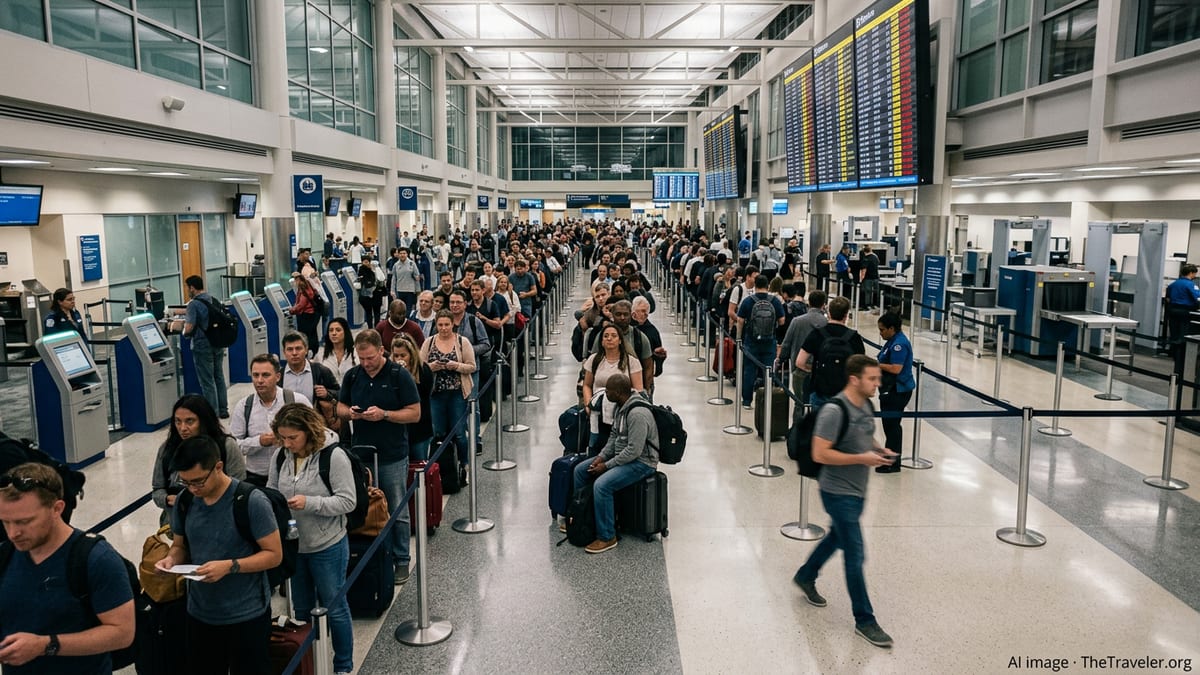
Air travel across the United States is facing a fresh wave of disruption as widespread flight cancellations and delays ripple through major hubs, leaving peak-season passengers scrambling for alternative routes and overnight accommodations.
Get the latest news straight to your inbox!
Stormy Weather and a Fragile Summer Network
Operational data and traveler reports indicate that a series of strong storm systems moving across key regions has triggered hundreds of cancellations and thousands of delays in recent days. Thunderstorms and low visibility around major hubs such as Dallas–Fort Worth, Chicago, Atlanta and New York have repeatedly slowed arrivals and departures, quickly backing up tightly scheduled networks.
The system remains vulnerable after a punishing start to the year. In late January, one of the largest winter storms in recent memory forced the cancellation of more than 10,000 flights across the United States and Canada in a single day, an event transportation analysts described as one of the worst weather-related disruptions in modern U.S. aviation. That shock exposed how quickly airline operations can grind to a halt when weather and already-stretched resources collide.
Research on U.S. air travel patterns has repeatedly shown how delays and cancellations tend to cascade through the network once a major hub is affected. When aircraft and crews are stranded out of position, even cities far from any severe weather can experience disruptions hours or days later. Current conditions suggest that pattern is repeating as airlines work to recover schedules while storms continue to flare along busy summer corridors.
Extreme weather is expected to remain a recurring stress point. Academic work examining the interaction between storms and passenger delays has found that more intense and frequent weather events can significantly amplify knock-on disruptions, particularly when airports are operating near capacity during peak travel seasons.
Airlines Struggle With Crews, Maintenance and Tight Schedules
Beyond the immediate impact of thunderstorms, the latest wave of disruption is highlighting persistent operational strains. Frequent flyers and aviation workers posting on public forums describe an uptick in flights delayed or canceled for maintenance issues or crew availability, often after travelers have already boarded and then been required to deplane.
Accounts from several major carriers suggest that when earlier flights run late, crews can quickly hit federally mandated duty-time limits, forcing airlines to cancel or consolidate later departures. In some cases, passengers report seeing flights first attributed to weather delays before ultimately being scrubbed due to crew or equipment shortages, complicating efforts to seek reimbursement or travel insurance coverage.
Industry data compiled over recent years shows that roughly one in five U.S. flights typically arrives at least 15 minutes behind schedule, with a significant share of those delays tied to airline-related causes such as maintenance, crew scheduling or late-arriving aircraft. Analysts note that as carriers have packed more flying into tighter schedules since the pandemic recovery, the margin for absorbing disruptions has narrowed.
The result is a system where a single operational issue can reverberate across multiple routes and days. Travelers stranded overnight report long waits for rebooking, limited available seats on alternative flights and inconsistent access to hotel or meal support, especially on low-cost carriers that operate fewer daily frequencies between cities.
Airports and Regulators Face Compounding Pressures
The disruption is not limited to airlines. Airports and the federal infrastructure that supports them are also contending with heavy pressure. Previous episodes, including nationwide technology outages and staffing gaps at air traffic control facilities, have shown how quickly bottlenecks can form when one part of the system falters.
Recent federal reports on aviation performance highlight chronic shortages of air traffic controllers in key facilities, particularly around high-density airspace on the East Coast. When storms force reroutes or capacity reductions at those centers, even well-staffed airlines can find their schedules unraveling, with ground delay programs and flow restrictions stretching modest weather events into all-day disruptions.
Government budget disputes earlier this year added another layer of risk, with partial shutdowns and funding uncertainty affecting some transportation-related operations. While essential safety functions have continued, advocacy groups warn that repeated fiscal standoffs can slow hiring, training and modernization efforts that are critical to improving the resilience of the national airspace system.
Policy specialists point to a growing body of research that argues for better integration of weather forecasting, air traffic management and airline scheduling. Studies suggest that greater use of predictive tools could help identify which flights are likely to be most affected by storms or congestion, enabling earlier strategic cancellations and more targeted passenger protections.
Passengers Grapple With Uncertain Itineraries and Limited Protections
For passengers, the immediate impact is felt in missed connections, unexpected hotel bills and lost vacation time. Social media posts from major hubs over the past week describe packed customer service lines, travelers sleeping on terminal floors and groups banding together to share rental cars on long overnight drives after last-minute cancellations.
Consumer advocates note that the United States still lacks standardized, Europe-style compensation rules for most delays and cancellations. While the Department of Transportation maintains a public dashboard comparing how individual airlines handle meals, hotels and rebooking in disruptions, many travelers remain unclear about what they can reasonably expect when their flight is canceled for reasons other than weather.
In practice, passengers’ experiences can vary widely depending on the carrier, route and cause of the disruption. Legacy airlines with extensive networks often have more options to rebook customers but may take longer to resolve complex international itineraries. Smaller and ultra-low-cost carriers may struggle to find alternative seats quickly when they operate limited frequencies on a route, leaving travelers facing days-long waits or the cost of buying new tickets on competing airlines.
Reports from recent disruptions suggest a growing awareness among frequent travelers of the need to build buffers into itineraries, carry essential items in hand luggage and maintain backup plans such as flexible hotel bookings or alternative transport modes where possible.
Looking Ahead to Late Summer and Holiday Peaks
With several weeks of heavy summer travel still ahead and planning already underway for the Thanksgiving and winter holidays, attention is turning to what can be done to prevent a repeat of the worst disruptions seen this year. Airlines are reviewing schedules, pausing some marginal routes and adjusting connection times at key hubs to create slightly more slack in the system.
Aviation analysts say investment in technology and staffing will be just as important. Air traffic modernization projects, expanded controller training pipelines and upgraded airline operations centers are frequently cited as long-term steps that could help reduce the frequency and severity of nationwide meltdowns when bad weather or technical failures occur.
For now, forecasters expect continued bouts of unsettled weather across parts of the country as summer winds down, and travel experts advise that passengers treat published schedules as approximate rather than guaranteed. Flexible tickets, travel insurance and awareness of passenger rights are becoming essential tools for navigating a system under sustained strain.
As the U.S. aviation network works through this latest wave of cancellations and delays, the experience is reinforcing a broader reality for both industry and travelers: in an era of tighter schedules, shifting climate patterns and complex technology, resilience is emerging as one of the most valuable commodities in modern air travel.