


More news on this day
The United States has issued heightened travel warnings for four countries in East and Central Africa, highlighting a combination of armed conflict, terrorism, and disease outbreaks that officials say significantly increase the risks for U.S. citizens planning trips to the region.
Get the latest news straight to your inbox!
Four Countries Now Under the Strongest U.S. Warnings
Publicly available information from the U.S. Department of State shows that Somalia, Uganda, South Sudan, and the Democratic Republic of the Congo are currently subject to Level 4 “Do Not Travel” advisories, the highest warning level used by the United States for overseas destinations. Separate health-related restrictions now also affect air travel to the United States for recent visitors to the Democratic Republic of the Congo.
The Level 4 classification for Somalia was last updated on May 21, 2026, and is based on a combination of terrorism, civil unrest, crime, and piracy risks that have persisted across much of the country. Travel advisories for South Sudan, Uganda, and the Democratic Republic of the Congo have likewise been updated during 2026, reflecting deteriorating security conditions, intermittent conflict, and localized attacks affecting both urban and rural areas.
Independent tracking of advisories indicates that as of November 2026, these four countries are among a small group worldwide where U.S. travelers are formally urged not to visit at all. This places parts of East and Central Africa in the same highest-risk category as conflict zones such as Ukraine, Syria, and Yemen.
While some neighboring destinations in East Africa, such as Ethiopia, are currently rated at Level 3 “Reconsider Travel,” the four highlighted countries face more severe warnings that can impact both leisure and essential travel, including business and humanitarian trips.
Key Security Concerns Behind the Advisory Levels
In Somalia, official travel pages describe an environment marked by frequent terrorist attacks, including bombings and armed assaults targeting government facilities, hotels, restaurants, and checkpoints. Non-state armed groups retain control or influence in parts of the country, limiting the reach of national security forces and complicating any potential emergency response for foreign visitors.
In Uganda, the Level 4 status is closely linked to the broader security picture in the region, with reports indicating an elevated risk of terrorist activity and sporadic violence in border areas. Regional dynamics, including the presence of armed groups operating near the frontiers with the Democratic Republic of the Congo and South Sudan, contribute to a security situation that is difficult to predict for travelers.
South Sudan continues to experience episodes of armed conflict and communal violence despite previous peace agreements. Public information sources highlight incidents of fighting between rival factions, banditry along major roads, and a lack of basic services outside limited urban hubs, factors that increase the dangers for foreigners moving within the country.
The Democratic Republic of the Congo faces a combination of long-running conflict in its eastern provinces and outbreaks of serious communicable diseases. Travel risk assessments point to the presence of multiple armed groups, attacks on civilians, and limited state authority in certain territories, particularly near borders with Rwanda, Uganda, and South Sudan, all of which underpin the U.S. decision to advise against travel.
New Health Measures for Travelers Linked to Congo
Travelers who have visited the Democratic Republic of the Congo now face additional steps when returning to the United States. Updated guidance from the U.S. Centers for Disease Control and Prevention states that, after November 3, 2026, all passengers boarding international flights to the United States must sign an attestation confirming that they have not been present in the Democratic Republic of the Congo in the 21 days before departure.
This requirement follows recent Ebola activity reported in parts of the Democratic Republic of the Congo. Separate travel advisories from other governments, such as Australia’s Smartraveller, also describe enhanced health screening in neighboring countries like Rwanda, where authorities have introduced temperature checks and health assessments at border crossings connected to affected areas.
Although the latest U.S. travel warnings for the Democratic Republic of the Congo are driven by security concerns, the new CDC attestation rule adds a layer of health-related complexity. Travelers who have recently been in the country may face itinerary changes, longer routings, or delays if they are unable to meet the 21-day lookback requirement when returning to the United States.
Public health agencies emphasize that these measures are designed to reduce the risk of importing Ebola cases by identifying and managing travelers who may have been exposed in outbreak zones. For U.S. citizens considering essential trips to eastern Congo, this means planning not only for security constraints but also for post-trip health-related restrictions.
Impact on Tourism, Business, and Regional Connectivity
The heightened warning levels are likely to weigh on tourism and business travel across the broader East and Central African region. While many tour operators already avoid frontline conflict zones, Level 4 warnings from the United States tend to trigger cancellations, increases in insurance premiums, and stricter internal policies at multinational companies with staff in the region.
According to travel insurance industry briefings, some standard policies limit or exclude coverage for destinations under Level 4 advisories, or require special underwriting before issuing coverage. Travelers who attempt to visit Somalia, Uganda, South Sudan, or the Democratic Republic of the Congo without such coverage may find that trip interruption, evacuation, or medical expenses are not reimbursed if incidents are linked to the documented risks.
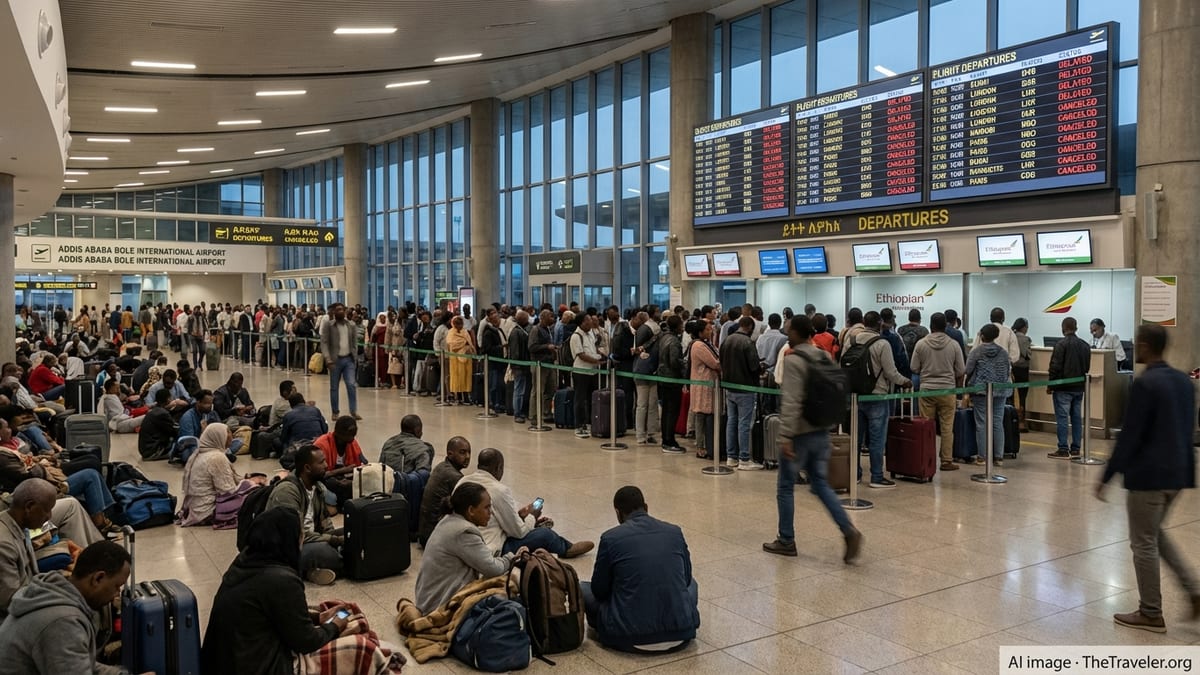
Air connectivity can also be affected when advisories remain in place for extended periods. Airlines and charter operators may reduce or suspend services if demand falls or if they judge the operating environment to be too unstable. Neighboring hubs, including airports in Kenya, Ethiopia, and Rwanda, sometimes see increased traffic when travelers reroute journeys to avoid direct entry into the highest-risk countries.
For local communities and regional economies, reduced foreign visitation can mean fewer jobs in hospitality, transportation, and related services. Development organizations and humanitarian agencies may continue to travel, but often under stricter security protocols, with reliance on specialized risk assessments and evacuation plans.
What U.S. Travelers Should Do Before Planning Trips
Prospective visitors to East and Central Africa are being encouraged by publicly available guidance to review the full text of the State Department advisories for each country, rather than relying solely on the headline level. These advisories outline which regions are most affected, identify common threats, and list areas where embassy or consular support would be severely limited or unavailable.
Travelers are also advised to monitor updates from multiple national foreign ministries, as some European and regional governments publish more granular district-by-district warnings. For example, United Kingdom and European advisories for Somalia and nearby areas describe specific road corridors, ports, and urban districts where travel is judged to be particularly dangerous.
Health information is a critical part of pre-trip planning. In addition to monitoring State Department guidance, travelers can consult CDC notices for disease outbreaks and entry requirements, such as the current attestation obligations related to the Democratic Republic of the Congo. Where Ebola or other high-consequence diseases are present, travelers may need to factor in monitoring periods, potential quarantines, or employer policies that restrict work activities after returning.
Given the fluid nature of security and health conditions in these four countries, prospective travelers are urged to check advisories close to their planned departure dates and again during their trips. Rapid shifts in local dynamics, including new outbreaks or flare-ups of violence, can prompt sudden updates to warning levels, route restrictions, or airline schedules, all of which can significantly affect travel plans.