


More news on this day
The UK government has updated its travel advice for Poland following a rare mass shooting in Krakow’s Main Market Square that left six people dead and more than a dozen injured, prompting fresh safety guidance for British visitors while stopping short of telling them to stay away.
Get the latest news straight to your inbox!
What happened in Krakow’s Main Market Square
According to international media coverage and official Polish statements, the attack took place on the afternoon of 7 November 2026 in Krakow’s Main Market Square, the focal point of the city’s UNESCO-listed Old Town and one of Poland’s busiest tourist sites. A 24-year-old Polish man drove into the square and opened fire from his vehicle, turning a crowded public space popular with foreign visitors into the scene of a mass casualty incident.
Reports indicate that six people were killed and at least 15 to 16 others were injured before police shot and wounded the attacker. Among the wounded were several foreign nationals, including visitors from the United Kingdom, Portugal, Russia, Germany and Austria, underlining the impact on the international travel community at a time when Krakow is usually in the full swing of its autumn city-break season.
Polish media and global newswires describe the attacker as having far-right or ultranationalist views, with analysts comparing the incident to other lone-actor shootings in Europe. In response, Poland declared a period of national mourning, and Krakow authorities temporarily suspended some long-standing public traditions at the Main Square while commemorations for the victims took place.
Local commentators and security experts note that mass shootings remain extremely rare in Poland, a country where firearms ownership is tightly regulated and gun crime levels are low by European standards. The Krakow incident has therefore been framed domestically as an exceptional and deeply shocking event rather than part of an ongoing pattern of attacks.
How the UK has updated its travel advice
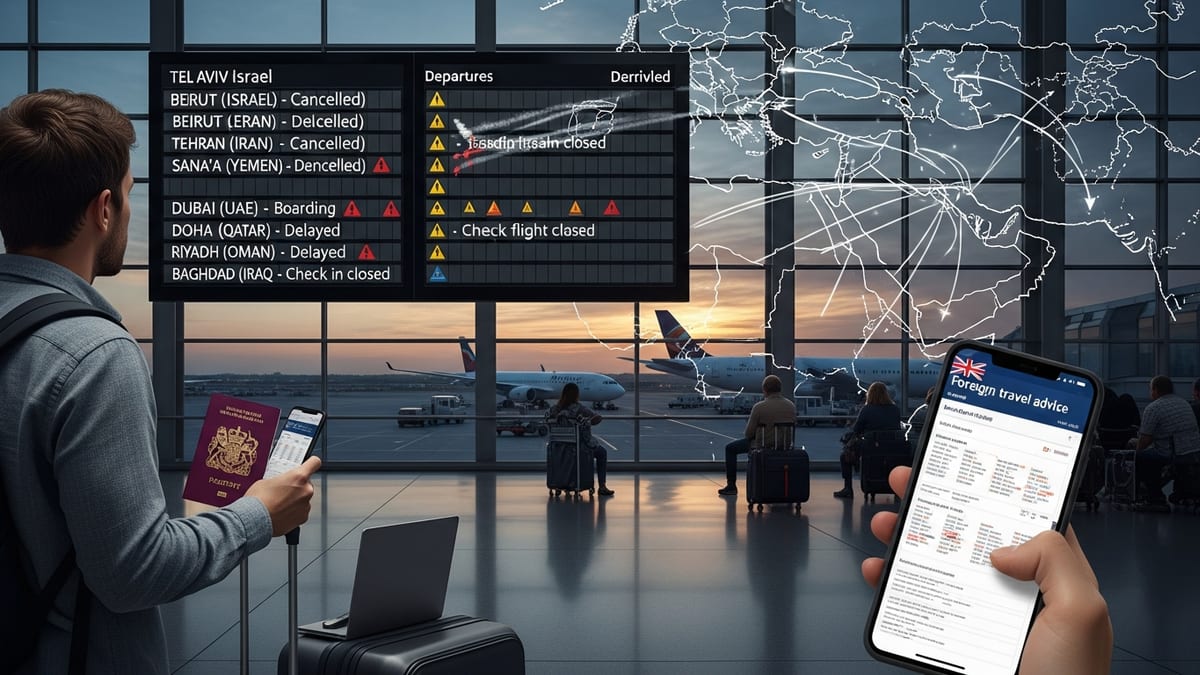
The UK Foreign, Commonwealth & Development Office (FCDO) continues to classify travel to Poland at its lowest advisory tier, meaning there is no broad warning against visiting the country. However, the Poland travel advice page on the UK government site was updated on 7 and 8 November 2026 with specific information linked to the Krakow shooting, referenced in the advisory tracker as an amendment to the “Warnings and insurance” section.
Publicly available summaries of the update state that the Poland advice now includes a reference to the shooting incident in Krakow’s Main Market Square, along with general guidance on staying aware of surroundings and following the instructions of local services in an emergency. The adjustment brings the advisory into line with the UK’s wider approach to high-profile security incidents elsewhere in Europe, where new information is added but the overall travel level is not automatically raised.
Independent tracking services that monitor travel advisories across multiple governments list the UK stance on Poland as “See our travel advice before travelling,” which corresponds to the standard baseline level rather than a heightened warning. The watchdog data notes that the most recent change for Poland from the UK side is specifically tagged as “Information following a shooting incident in Kraków’s Main Market Square.”
Travel reports aimed at British and Irish visitors also highlight that, as of mid-November 2026, the UK government has not urged travellers to avoid Krakow or Poland and has not introduced additional entry restrictions for British nationals. Instead, updates emphasise situational awareness, checking the latest FCDO pages before and during a trip, and knowing how to contact consular support if needed.
Current security picture for visitors to Poland
While the Krakow shooting has shocked residents and tourists alike, open-source security assessments from several governments still describe Poland as a country where visitors can generally exercise normal precautions. The United States travel advisory for Poland, for example, remains at its lowest level, and Australian and Irish guidance also present the destination as broadly safe while flagging separate concerns linked to Russia’s war in neighbouring Ukraine and occasional disruptions near Poland’s eastern border.
Analyses of crime and violence in Poland consistently indicate that mass shootings are almost non-existent, with the Krakow attack and a handful of historical incidents standing out as notable exceptions. Gun regulations remain comparatively strict, and most recorded tourist incidents relate instead to petty crime such as pickpocketing in crowded areas or scams involving unlicensed taxis and nightlife venues.
At the same time, travellers are being reminded that Poland sits on the front line of broader regional tensions. The FCDO’s safety and security section for Poland already referenced isolated incidents near the border with Ukraine and encourages visitors to stay informed about developments in that area, especially if travelling in the southeast of the country. The Krakow shooting does not appear to be directly linked to those cross-border issues, but it has reinforced the general message that travellers should be prepared for fast-changing situations.
Security commentators in European media have suggested that, although there is no evidence of an active campaign targeting tourists in Poland, major public spaces such as city squares, transport hubs and large events naturally carry a higher risk during any rare violent incident. Visitors are therefore encouraged to treat basic safety precautions, crowd awareness and familiarity with local emergency procedures as part of standard travel planning.
Practical guidance for British travellers heading to Krakow and beyond
For British nationals with upcoming trips to Poland, the main official recommendation is to stay informed. Travellers are advised to review the FCDO’s Poland pages shortly before departure and again while in-country, paying particular attention to the sections on safety and security, local laws and “Warnings and insurance,” where references to the Krakow incident have been added.
Those planning stays in Krakow may wish to factor increased visibility of uniformed personnel and potential short-term commemorative events around the Main Market Square into their expectations. There have been public vigils and memorials in the days following the attack, and Polish authorities have introduced enhanced security measures around key tourist zones while investigations continue.
Standard safety tips highlighted across multiple government advisories include staying alert in busy public areas, identifying exits in large open spaces and venues, and moving away quickly if crowds begin to surge or sounds of possible gunfire or explosions are heard. Visitors are also encouraged to keep copies of their passport and travel insurance details separate from the originals in case they need rapid assistance.
British travellers can find contact details for the British Embassy in Warsaw and any consular helplines via UK government channels before they travel. Travel insurance policies should be checked carefully to ensure they cover medical care, evacuation in serious emergencies and cancellations or changes if travel plans are affected by security situations or official measures in Poland.
Balancing demand for city breaks with heightened awareness
The timing of the Krakow incident is particularly significant for the tourism sector, arriving just as the city typically gears up for its winter markets and festive events that attract large numbers of visitors from the UK and elsewhere in Europe. Industry commentary suggests that many trips are still going ahead, but with travellers paying closer attention to official travel advice and local news than they might have done previously.
Travel analysts point out that major European city-break destinations have had to adapt in recent years to occasional high-impact security events without seeing a long-term collapse in visitor numbers. In this context, the UK’s decision to update rather than escalate its Poland travel advice is being interpreted as a signal that, while the Krakow shooting is taken extremely seriously, it is not currently viewed as part of a sustained threat to tourists.
For British visitors considering whether to travel, the emerging consensus across international advisories is that Poland remains accessible, with precautions focused on awareness rather than avoidance. Travellers who stay informed, follow local instructions during any disruption and take out comprehensive insurance are being told they can continue to visit Krakow and other Polish destinations while acknowledging the gravity of the events of 7 November.
As investigations in Poland proceed and commemorations for the victims continue, further adjustments to travel advice remain possible. For now, though, the principal change for British travellers is the addition of new context and safety reminders in official guidance, rather than a call to cancel trips.