


More news on this day
Australian travellers planning trips to Vanuatu are being urged to double-check flight bookings and travel insurance after authorities on the island of Espiritu Santo moved to restrict larger aircraft at the country’s second-busiest airport over safety concerns.
Get the latest news straight to your inbox!
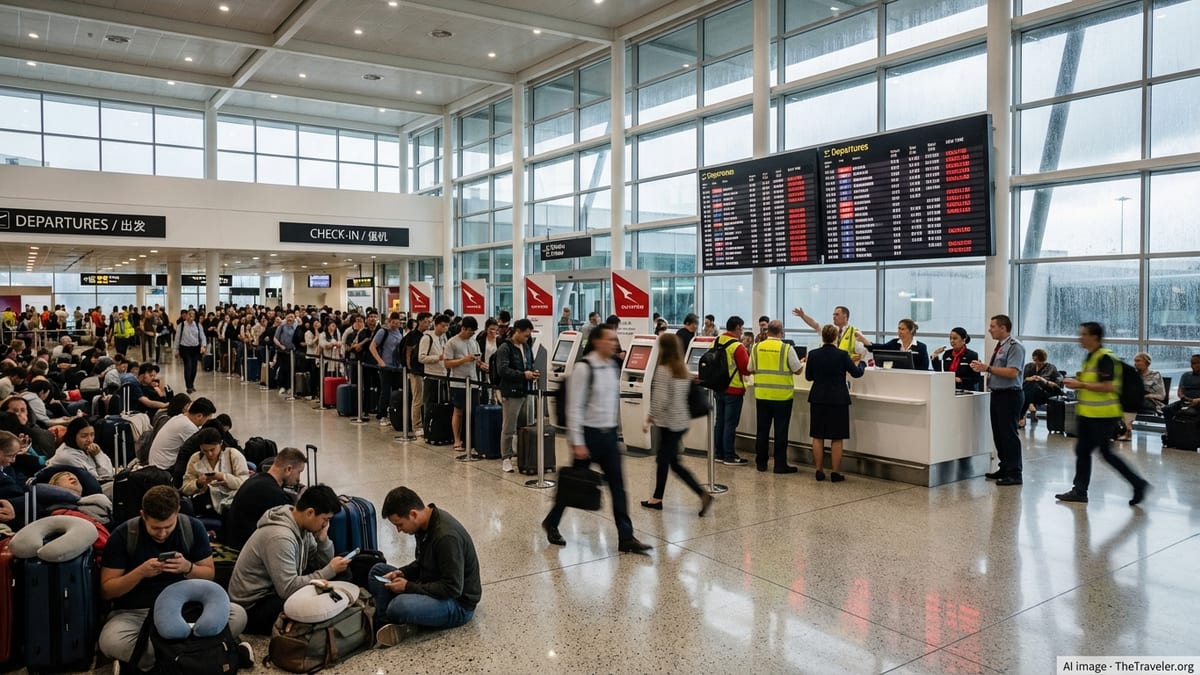
Safety concerns trigger capacity limits at Santo airport
Updated travel advice for Vanuatu issued by Australia’s Smartraveller service on 9 November 2026 highlights new operational limits at Santo International Airport, near the town of Luganville on Espiritu Santo. According to publicly available information, from 5 November local authorities prohibited aircraft with more than 30 passenger seats from operating at the airport until its rescue and firefighting services are fully operational.
The change effectively cuts out many larger regional jets and narrow-body aircraft that typically carry Australian leisure travellers on domestic connections within Vanuatu. While the main international gateway, Bauerfield International Airport in Port Vila, remains open, Santo’s restrictions are expected to affect itineraries that link directly or via Port Vila to Espiritu Santo’s popular dive resorts and blue-hole attractions.
Travel advisories note that airport operations on Espiritu Santo may be disrupted and recommend that passengers reconfirm their flights with airlines or travel agents. Travellers already in Vanuatu and holding tickets to or from Santo are being encouraged to contact their airline and travel insurer promptly if schedules change or flights are cancelled.
The updated advice does not alter the overall Australian government assessment for Vanuatu, which continues to recommend that visitors “exercise normal safety precautions”. However, it places fresh emphasis on aviation reliability and safety standards at smaller island airports, many of which have basic infrastructure and limited emergency services.
Impact on Australian holidaymakers and island connections
Espiritu Santo is a key destination for Australian visitors seeking wreck dives such as the SS President Coolidge, adventure activities, and quieter beach stays than those on the main island of Efate. Reduced access for larger aircraft is likely to affect package holidays and independent itineraries that use Santo as a starting point for exploration of Vanuatu’s northern islands.
Australian travel advice notes that Vanuatu’s domestic aviation network is particularly vulnerable to weather, volcanic ash, maintenance issues and staffing constraints, with schedules often disrupted at short notice. The latest restriction at Santo adds another layer of uncertainty for travellers who may already be navigating limited capacity following the financial collapse and subsequent restructuring of national carrier Air Vanuatu in recent years.
In practice, the limit to aircraft with 30 seats or fewer means many services will have to be operated with smaller turboprop aircraft or charter arrangements, reducing the number of seats available into Santo on any given day. Travellers may face re-routing via Port Vila, longer layovers, or, in some cases, replacement ground or sea transport options between islands where feasible.
Australian travellers with tight connections for international flights out of Port Vila are being strongly advised in public guidance to allow generous buffers between domestic and international sectors. The potential for knock-on delays from Santo, particularly during peak holiday periods or adverse weather, increases the risk of missed onward flights back to Australia.
What airlines and tourism operators are advising
Air Vanuatu and several regional carriers operate domestic routes linking Port Vila with Santo and Tanna, using a mix of scheduled and charter services. Airline travel advisory pages and local tourism updates are urging passengers to monitor flight status closely in the days before departure and to stay in contact with booking agents for any reissued tickets or timing changes.
Publicly available tourism guidance from Vanuatu’s national tourism office reiterates that flight schedules around the archipelago can be affected at short notice by natural hazards, technical issues and operational constraints. The Santo restrictions on larger aircraft are being treated as a safety-focused measure linked to airport emergency-response capability rather than to any specific incident involving an Australian carrier.
Some accommodation providers on Espiritu Santo are understood, via industry updates, to be assisting guests with alternative travel arrangements where bookings have been disrupted. However, travellers are being reminded that any additional costs arising from schedule changes may depend on individual airline policies and the level of cover provided under their travel insurance.
Given that many resorts and dive operators in Santo rely heavily on Australian visitors, the aviation capacity limits are being watched closely across the local tourism sector. Businesses are encouraging guests to maintain their bookings where possible but to remain flexible about travel dates and routes while airport services are upgraded.
Travel advice: what Australians should do now
Australian travellers booked to fly into or out of Santo International Airport in the coming weeks are being directed by official advisories to reconfirm all sectors with their airline or travel agent, including domestic connections within Vanuatu. This applies whether tickets were purchased directly with carriers or as part of package holidays through Australian-based tour operators.
Travellers considering new bookings that include Santo are being encouraged to check carefully which sectors are currently operating, what type of aircraft are being used, and whether schedules are likely to be amended. In many cases, it may be prudent to plan at least one overnight stop in Port Vila at the start or end of a trip to provide additional time in case domestic flights are delayed or rescheduled.
Updated guidance also underscores the importance of comprehensive travel insurance that covers missed connections, schedule disruptions and alternative transport arrangements within island nations. Policies differ significantly in how they treat airport-specific operational changes, so travellers are advised to read product disclosure statements closely or seek clarification from insurers before departure.
Visitors who are already in Vanuatu and are unsure about their upcoming flights can seek assistance from their airline’s local office, airport ticket counters, or their accommodation provider’s front desk or concierge, which often has the latest regional flight information. Australian diplomatic missions in the Pacific region are maintaining general travel advice but are not involved in individual booking changes or refunds.
Broader aviation challenges in Vanuatu’s outer islands
The situation at Santo International Airport highlights longstanding structural challenges in Vanuatu’s domestic aviation network. Government and international assessments have repeatedly noted that runway conditions, emergency-response standards and navigational aids at a number of outer-island airstrips fall short of those found at larger regional hubs.
International financial institutions and development partners have invested in projects in recent years to improve the operational safety of key airports such as Bauerfield in Port Vila, recognising aviation as a vital lifeline for tourism, trade and medical evacuations. However, progress has not been uniform across all islands, and smaller facilities continue to operate with limited firefighting and rescue capability.
Travel advisories from several countries, including Australia, Canada and the United Kingdom, consistently point out that many domestic airports in Vanuatu have basic or no facilities and that runways are often short and unsealed. Airlines must weigh these constraints when determining aircraft types, payloads and whether to suspend or restrict services when safety margins are considered too narrow.
For Australian travellers, the current restrictions at Santo serve as a reminder to remain flexible when planning multi-island itineraries in the Pacific. Building extra time into schedules, avoiding last-minute domestic connections to international flights, and staying informed through official travel advice channels can significantly reduce the stress of unexpected aviation disruptions.