


More news on this day
The U.S. State Department has issued an updated worldwide travel warning urging Americans abroad to exercise increased caution, citing a complex global security climate, evolving regional conflicts and the potential for rapidly changing conditions that could disrupt international trips.
Get the latest news straight to your inbox!
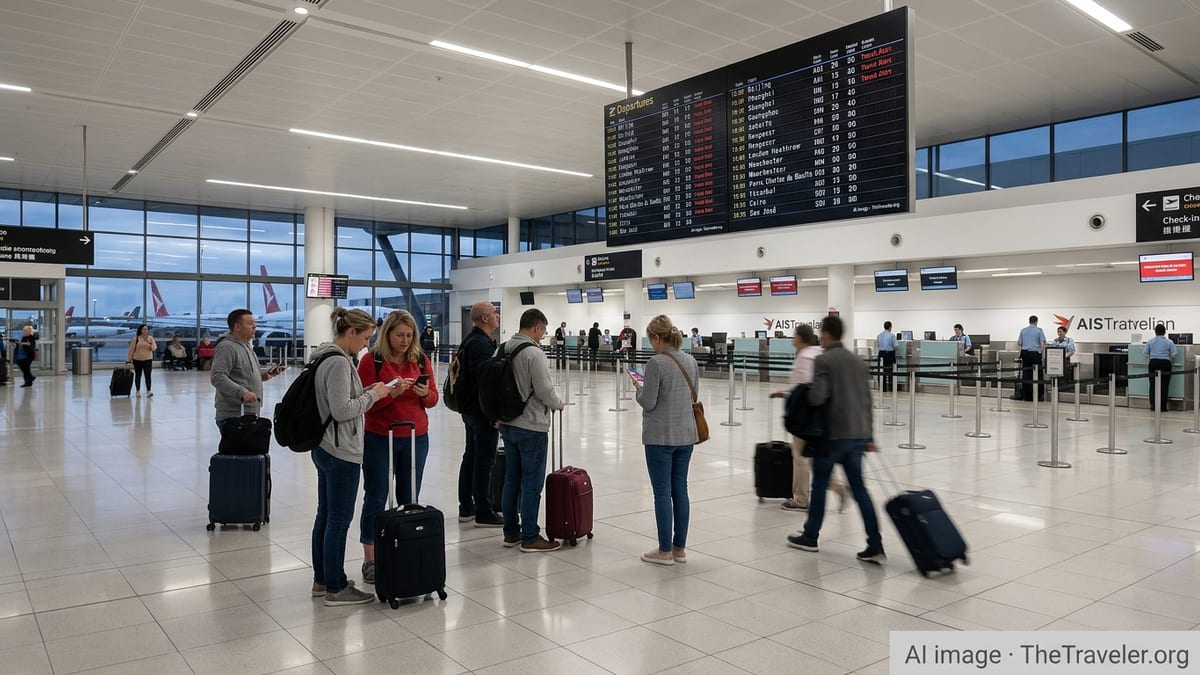
Latest Worldwide Caution Highlights Elevated Global Risk
The renewed worldwide caution, published on July 18, 2026, advises U.S. citizens traveling or living overseas to remain more alert than usual to security threats. Public information from the State Department describes the notice as part of a standing effort to inform Americans about universal risks that can affect travel anywhere, including terrorism, civil unrest, and sudden transportation disruptions.
The alert follows several earlier worldwide cautions issued over the past three years, reflecting a pattern of heightened concern about the possibility of attacks or incidents targeting locations frequented by travelers. The current notice underscores that events in one region can quickly have ripple effects for air travel, border controls and local security measures far beyond the immediate crisis zone.
While the wording of the worldwide caution does not signal that Americans should cancel all travel, it does stress that risk is uneven and can shift quickly. Travelers are encouraged by publicly available guidance to factor security considerations into their plans in the same way they might evaluate weather, health conditions or seasonal crowds.
At the same time, country specific advisories remain in force and often provide more granular detail than the global alert. The worldwide caution is described in official materials as a broad overlay that draws attention to cross cutting threats rather than a replacement for local information.
Regional Flashpoints Driving Concern
Recent international developments appear to underpin the decision to renew a global warning. Published U.S. government travel advisories highlight continuing instability in parts of the Middle East, including Israel, the West Bank and Gaza, where security conditions have fluctuated since the outbreak of war in October 2023 and subsequent regional tensions.
According to publicly available travel guidance, some areas remain subject to the highest level of advisory, with recommendations against travel due to terrorism, armed conflict and restrictions on the movement of diplomatic personnel. These localized warnings are often cited by analysts as among the key indicators feeding into the broader worldwide caution.
Outside the Middle East, official material on global events affecting travel points to a mix of factors that can impact U.S. citizens. These include periodic civil unrest, organized crime related violence in certain parts of Latin America, and elevated terrorism concerns cited in European and Asian security bulletins. Each of these issues may prompt temporary alerts or changes to local threat levels that international travelers could experience as route changes, checkpoints or increased security at transportation hubs.
Recent disruptions linked to cartel related violence in Mexico, for example, have led to temporary shelter in place messages for Americans in specific states, as noted in congressional research and embassy level alerts. These episodes illustrate how localized crises can generate sudden changes in operating conditions for visitors, even as broader tourist traffic to affected countries continues.
What the Worldwide Warning Means for Travelers
For travelers, the global advisory functions as a prompt to take practical steps rather than a blanket prohibition on trips. Publicly available State Department guidance on terrorism and security suggests that Americans should review country level travel advisories, learn about typical local crime patterns, and stay aware of protest activity, particularly near government facilities, major landmarks and transportation nodes.
The worldwide caution emphasizes that incidents can occur without warning and may target locations that attract foreigners such as hotels, popular nightlife districts, shopping centers, houses of worship and public events. Travel security specialists routinely recommend avoiding predictable routines, maintaining awareness of exits in crowded venues, and allowing extra time for screenings or checkpoints that may be introduced with little notice.
Insurance considerations are also affected. Industry commentary indicates that some travel insurance providers reference official travel advisories when assessing coverage, especially for trip interruption, evacuation or security related services. Travelers may be advised to check policy language carefully to understand how worldwide alerts, country specific levels and any subsequent upgrades in risk could influence claims.
Public information from U.S. government sites additionally points to the importance of having backup plans, including alternative routes, additional funds for unexpected expenses, and a plan for communicating with family or friends if commercial flights or ground transportation are disrupted.
Planning Ahead: Tools and Resources for U.S. Citizens Abroad
In conjunction with the worldwide caution, U.S. agencies direct citizens to a range of tools designed to improve preparedness. The main travel advisory portal provides a four tier system that ranks each country from Level 1, exercise normal precautions, to Level 4, do not travel. These ratings are periodically updated in light of security, health, and infrastructure developments.
Travelers can review destination pages that summarize key risks, local laws and entry requirements. Public resources explain that these advisories are distinct from the global warning, which focuses on universal threats such as terrorism and the potential for coordinated or copycat attacks affecting multiple regions.
Government publications also encourage Americans heading overseas to register their trips in an online enrollment program that allows embassies and consulates to push security updates by email or text. While registration is voluntary, reports indicate that it has become a standard recommendation in guidance for travelers visiting countries with volatile security conditions or limited emergency services.
Experts in travel risk management often suggest combining official information with independent news coverage and airline communications to form a more complete picture. Monitoring local media in the destination country prior to departure can help travelers spot potential flashpoints, such as elections, major demonstrations or large sporting events that may draw heavy security and traffic restrictions.
Balancing Wanderlust With a Heightened Security Climate
The latest worldwide travel warning underscores a broader reality for international tourism in 2026. Many destinations are fully open and actively welcoming visitors, yet the background level of geopolitical tension remains elevated. This tension can surface suddenly in the form of airport closures, temporary curfews or targeted security operations, even in places that otherwise market themselves as stable and safe.
Industry observers note that experienced travelers increasingly build flexibility into itineraries, opting for refundable fares, keeping at least one night open at the beginning or end of a trip, and avoiding overly tight connections through potential flashpoint hubs. Some are adjusting destination choices as well, favoring countries with lower advisory levels and a recent track record of stability.
At the same time, tourism boards and local businesses in many regions are actively emphasizing safety measures and contingency planning to reassure visitors. Public information campaigns often highlight emergency contact numbers, multilingual support lines and clear signage around secure areas, reflecting a recognition that travel confidence hinges not only on the absence of risk, but also on transparent communication when incidents occur.
The worldwide caution effectively asks Americans to calibrate expectations, recognizing that global exploration now requires a higher degree of situational awareness. For many travelers, that may mean devoting as much attention to security planning as to restaurant reservations or sightseeing lists, with the understanding that conditions can shift quickly and informed decisions are central to staying safe on the road.