


More news on this day
The United States Department of State has issued a rare worldwide caution advisory, urging Americans traveling or living abroad to exercise increased vigilance as the expanding conflict involving Iran fuels security concerns and potential disruptions across multiple regions.
Get the latest news straight to your inbox!
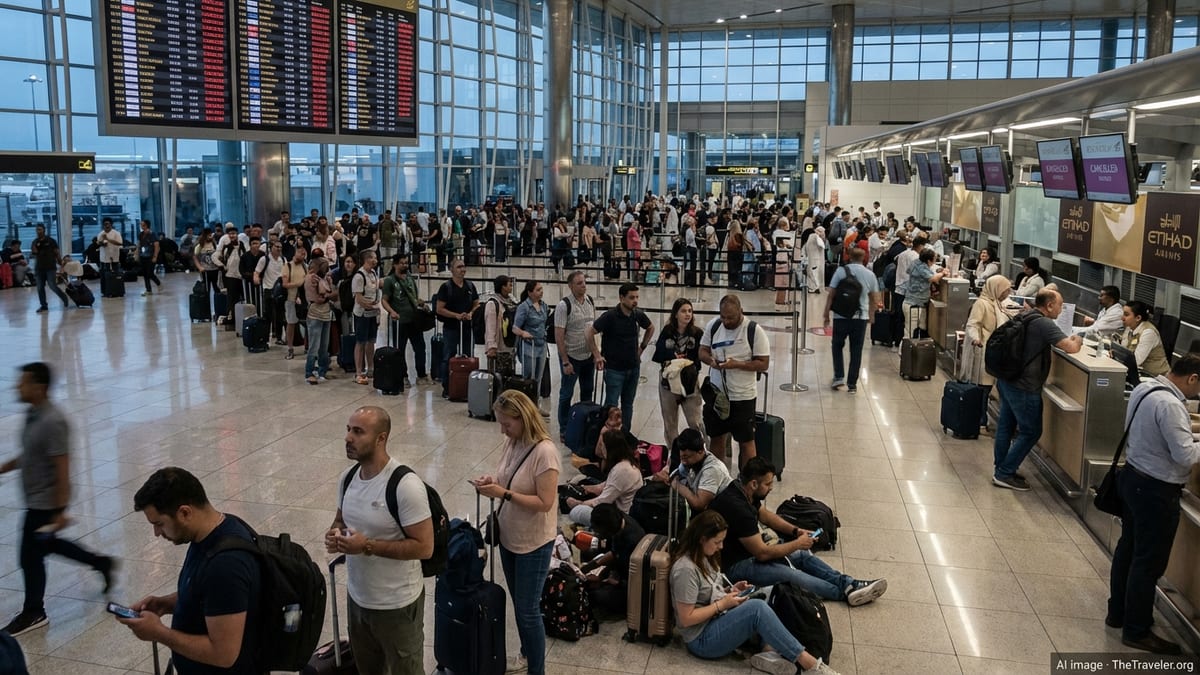
Heightened alert follows escalation in Iran conflict
According to recent coverage from major US news outlets, including ABC News, the worldwide caution was circulated as combat operations and retaliatory strikes linked to the Iran conflict entered a prolonged phase, with missile and drone attacks reported across parts of the Middle East. The advisory highlights that U.S. interests and locations associated with Americans could face elevated risk as regional tensions persist.
Publicly available information indicates that the guidance is global in scope but places particular emphasis on Americans in or traveling through the Middle East. The advisory references the possibility of attacks or unrest tied to actors aligned with Iran, as well as the potential for opportunistic violence or demonstrations in other parts of the world.
The worldwide caution does not prohibit travel but underscores a higher baseline of risk for U.S. citizens overseas. Reports describe it as one of the most sweeping alerts the State Department issues, short of country specific “do not travel” warnings, and as a sign that security agencies see the conflict as having broad international implications.
Coverage from multiple outlets notes that, as of this week, the fighting and missile activity have continued, and there is no clear timeline for de escalation. That uncertainty is feeding concern about how quickly conditions could deteriorate in individual destinations, even those far from the immediate front lines.
What the worldwide caution means for American travelers
Information posted on the State Department’s travel pages explains that a worldwide caution is designed to alert Americans to a diffuse, global threat environment rather than to risks in one country. The current advisory urges U.S. citizens abroad to “exercise increased caution,” review personal security plans, and stay alert to the possibility of attacks or unrest in places where Americans live, work, or gather.
Travel security analysts note that such a notice can affect everything from business itineraries to leisure trips, particularly to destinations already listed at higher advisory levels for terrorism, kidnapping, or civil unrest. While the worldwide caution does not automatically change country specific levels, it can influence how travelers, companies, and travel insurers interpret risk.
According to publicly available guidance, Americans overseas are encouraged to enroll in the State Department’s traveler enrollment program, monitor local media, and pay close attention to security alerts from the nearest U.S. embassy or consulate. The advisory also points to the possibility of sudden closures of airspace or transport hubs, which could lead to flight cancellations and route changes.
For many travelers, the most immediate impact is likely to be increased uncertainty. Airlines and tour operators may adjust schedules or reroute flights around affected regions, while travel managers reassess routes for staff. The advisory underscores that conditions can change quickly and that travelers may have limited options if borders close or security situations deteriorate without warning.
Key regions of concern and potential ripple effects
Recent reporting on the conflict and its fallout indicates that the Middle East remains the primary focus of security planners. Countries that host U.S. forces, diplomatic missions, or critical infrastructure are viewed as more likely to see protests, missile or drone activity, or other incidents that could affect nearby civilian areas, including airports and transport corridors.
However, published coverage also notes that previous worldwide cautions have coincided with incidents well outside the core conflict zone, including in Europe, Africa, and Asia. In the current context, analysts point to the risk that sympathetic or opportunistic actors might target locations associated with the United States or its allies in regions far from Iran itself.
Beyond direct security threats, the advisory points to the possibility of indirect disruptions. Airspace closures, restrictions on overflights, and changes to maritime routes can lead to significant delays and rerouting for commercial aviation and shipping. Travelers transiting major hubs may face longer journeys, missed connections, or last minute rebookings as carriers adapt to evolving restrictions.
In addition, some destinations may see heightened local security measures, such as increased screening at airports, visible military or police presence in tourist districts, and tighter controls around diplomatic facilities. These steps can reassure some visitors while underscoring the seriousness of the underlying threat environment.
How travelers can respond to the evolving advisory
Recent guidance from travel and risk management experts encourages Americans with upcoming international trips to carefully review the latest advisories, both the worldwide caution and the specific level for their destination. Travelers are urged to confirm that passports, visas, and any required permits are valid, and to maintain up to date contact information with family or employers at home.
Information from the State Department’s consular resources emphasizes the importance of understanding local conditions, including knowing where to seek shelter, how to reach local emergency services, and how to contact the nearest U.S. embassy or consulate if needed. Travelers are encouraged to carry copies of key documents and to be prepared for potential communication outages.
Travel planners recommend flexible bookings where possible, including tickets that allow changes without heavy penalties and accommodations with clear cancellation policies. In a more volatile environment, flexibility can be critical if routes shift or if a destination’s advisory level changes on short notice.
Ultimately, the worldwide caution places decision making responsibility on individual travelers. Some may postpone or reroute trips, especially to areas closer to the conflict, while others may proceed with heightened awareness and contingency plans. The advisory’s broad scope reflects a recognition that the consequences of the Iran conflict are no longer confined to one region but may influence security and mobility for Americans across multiple parts of the world.
Impact on the global travel industry
Industry observers note that the timing of the worldwide caution intersects with a period of strong demand for international travel, especially from U.S. travelers eager to maintain long planned trips. Airlines, cruise operators, and tour companies are watching developments closely, weighing safety, regulatory guidance, and customer demand.
Public reporting indicates that carriers serving the Middle East and nearby regions may be among the first to adjust schedules, while large global airlines could reconfigure long haul routes to avoid higher risk airspace. Travel insurers are also reassessing exposure, with some policies including clauses related to war or terrorism that may shape what coverage is available or how claims are handled.
For destinations far from the conflict, the advisory may introduce new concerns among visitors, even if on the ground conditions remain calm. Tourism boards and local businesses are expected to emphasize existing safety measures and to provide clear, up to date information about any changes in operations, with the goal of reassuring cautious travelers.
As the situation continues to evolve, analysts suggest that travel patterns could shift rather than collapse, with some Americans opting for destinations perceived as lower risk or choosing domestic trips instead of long haul international journeys. The worldwide caution serves as a reminder that in a highly interconnected travel landscape, geopolitical shocks can reverberate quickly, reshaping routes, itineraries, and traveler behavior well beyond the immediate conflict zone.