


More news on this day
American travelers eyeing a low cost Mediterranean getaway are being urged to take a closer look at local waters, after the U.S. State Department issued an alert highlighting unsafe swimming locations in a popular budget friendly seaside destination.
Get the latest news straight to your inbox!
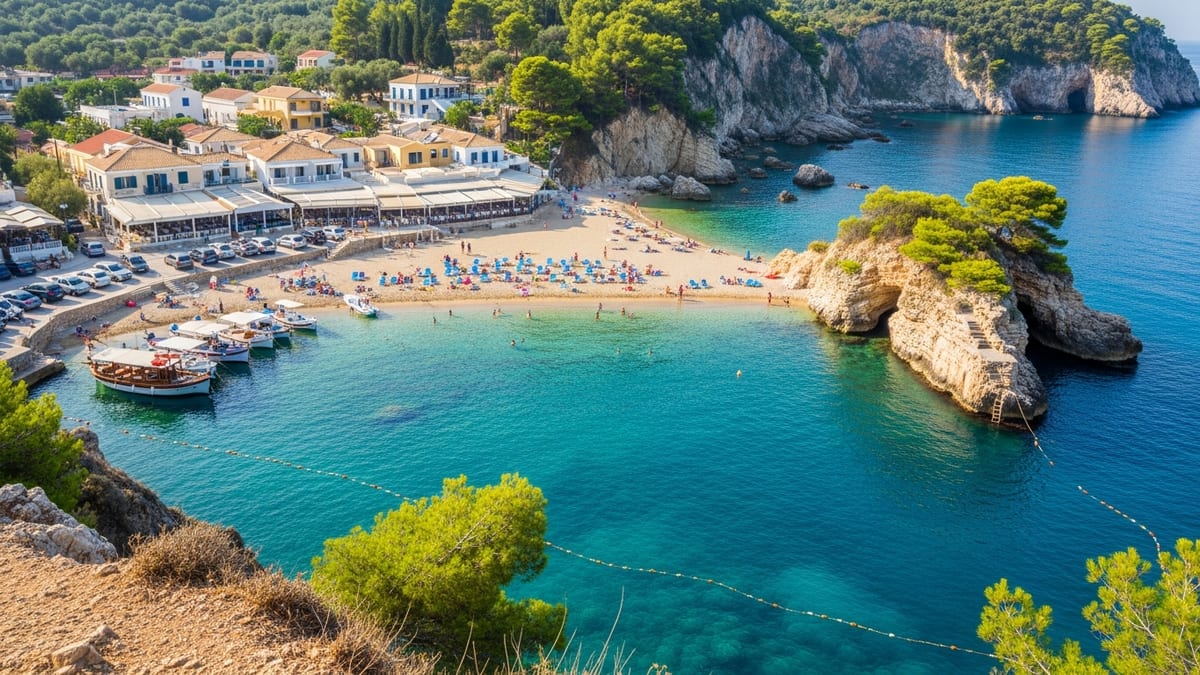
Alert Highlights Localized Hazards In Otherwise Popular Destination
According to publicly available information on recent updates to U.S. State Department country pages and travel advisories, the latest alert does not discourage all travel to the Mediterranean destination in question. Instead, it draws attention to specific stretches of coastline where swimming has been linked to preventable accidents, sudden drop offs, strong currents, and poor water quality.
Advisory language for several Mediterranean countries already distinguishes between generally safe coastal resorts and higher risk environments such as unguarded coves, harbor areas, river mouths, and informal swimming spots near cities or industrial facilities. In its newest notice, the State Department expands on that approach, emphasizing that the greatest dangers are often concentrated at a handful of local beaches that are heavily used by visitors seeking a bargain seaside break.
Budget airlines, discounted hotel inventory, and packaged city by the sea deals have drawn growing numbers of U.S. travelers to second tier Mediterranean destinations that offer lower prices than Western European resort hubs. Travel industry reporting indicates that many of these visitors arrive with limited knowledge of local sea conditions, assuming that every public beach is monitored and that warning systems resemble those in the United States.
The updated alert encourages travelers to treat local swimming conditions as a key safety factor when choosing where to stay. It also reminds Americans that national travel advisory levels reflect broad security trends, while specific beach and swimming risks can vary significantly within the same country or even within the same coastal region.
From Rip Currents To Pollution: What Makes A Spot Unsafe
Recent safety guidance from U.S. and European public agencies points to a mix of natural and human made hazards behind the latest concern. Some stretches of Mediterranean coast are prone to powerful rip currents that can form suddenly and are difficult for inexperienced swimmers to recognize. Rocky shelves and abrupt depth changes can cause bathers to lose footing quickly, especially where waves break against harbor walls or cliffs.
In parallel, environmental monitoring in parts of the Mediterranean has documented periodic spikes in pollution, particularly after heavy rains that flush urban runoff into the sea, or near ports where boat traffic is dense. In several budget friendly resort towns, local media reports have drawn attention to sewage overflows and litter at small urban beaches that remain crowded despite repeated advisories from municipal authorities.
Water quality, visibility, and safety infrastructure also tend to be poorer at unofficial or unsupervised swimming areas that look idyllic on social media but were never intended to receive large numbers of beachgoers. Travelers attracted by these little known coves may encounter unmarked underwater rocks, steep ladders or crumbling steps, and a complete absence of lifeguards or rescue equipment.
Public health experts note that infections, ear and eye irritation, and gastrointestinal illness can follow contact with contaminated seawater, particularly for children and older travelers. Combined with the risk of being caught off guard by currents or swell, these conditions can turn a seemingly tranquil low budget beach visit into a medical emergency far from familiar health care systems.
Why Budget Travelers Are Considered Especially Vulnerable
Travel trend data for 2026 indicates that Americans planning European trips are increasingly searching for value oriented alternatives, trading marquee resort islands for less expensive mainland or secondary city beaches. This shift has pushed more first time visitors toward smaller destinations where tourist infrastructure and safety communication may be less developed and English language signage less consistent.
Budget travelers are more likely to book last minute deals, stay in residential neighborhoods, and explore beyond well signposted resort strips in search of quiet coves or uncrowded waterfronts. Publicly available analyses of recent Mediterranean incidents show that several serious accidents have occurred at precisely these kinds of off radar locations, where there are no lifeguards and where emergency services may take longer to respond.
Lower cost trips also tend to compress planning time. Travelers focused on finding affordable flights and lodging may pay less attention to local coastal geography, seasonal weather patterns, or historic incident data. The State Department alert appears designed in part to change that behavior by placing swimming risks alongside crime, transportation safety, and geopolitical factors in the list of issues to check before departure.
For travelers on tight budgets, an unexpected injury or illness can rapidly erase the savings that made a destination attractive in the first place. Medical evacuation from small islands or remote coastal areas can be particularly expensive, as can last minute itinerary changes if a beach town proves unsuitable for safe swimming upon arrival.
How Travelers Can Check Local Beaches Before They Dive In
Public guidance from the State Department and national tourism and health agencies across the Mediterranean stresses preparation over panic. American travelers are urged to treat safe swimming as a research topic on par with accommodation reviews and flight connections, rather than assuming that clear, blue water is automatically risk free.
Before traveling, visitors can consult official U.S. travel advisories and then drill down into country specific safety and health information pages, which often contain detailed sections about coastal conditions, marine life, and recommended precautions. Many Mediterranean countries also publish their own beach water quality ratings and flag systems through national or regional environmental agencies, which can help travelers distinguish between supervised family beaches and areas with known pollution or current issues.
Once in destination, travelers are encouraged to observe local behavior carefully. Popular coverage of recent incidents notes that accidents frequently involve visitors who enter the water at times or places avoided by residents, such as during storms, near harbor entrances, or from unmarked rock platforms. Checking whether lifeguards are on duty, whether warning flags are flying, and whether safety equipment such as rings or rescue boards is visible provides additional clues about how suitable a spot may be for swimming.
Travel safety materials also recommend enrolling in the Smart Traveler Enrollment Program so that U.S. citizens receive email alerts if conditions change rapidly in a particular region. While these alerts generally focus on security and major disruptions, they can complement local sources of information and ensure that travelers are aware of evolving risks that could affect seaside plans.
Balancing A Classic Beach Break With Realistic Safety Planning
Travel analysts expect demand for affordable Mediterranean vacations to remain strong through the 2026 peak season despite the new alert. Many of the region’s most visited resort areas continue to post excellent safety records, particularly where lifeguard coverage, clear signage, and regular water testing are standard practice. The State Department’s emphasis on specific unsafe swimming locations underscores that the overall appeal of a destination can coexist with very localized danger zones.
Industry watchers note that the alert may, however, influence which neighborhoods and beaches Americans choose within the same country. Families and less experienced swimmers could become more inclined to favor well established resort areas with visible safety infrastructure, while more adventurous travelers might think twice before visiting unsupervised coves without gathering detailed, locally sourced information.
For tourism businesses in the affected destination, the notice serves as a prompt to communicate clearly about safety measures, including lifeguard schedules, water quality monitoring, and any local initiatives to improve signage or restrict access at higher risk spots. Transparent information can help reassure visitors that issues are being addressed rather than hidden, supporting the long term appeal of an otherwise attractive, low cost coastal escape.
For U.S. travelers, the episode is a reminder that the Mediterranean’s postcard beaches span a wide spectrum of conditions. With careful pre trip research, attention to official and local warnings, and a willingness to skip inviting but poorly supervised swimming holes, it remains possible to enjoy a budget friendly seaside holiday while keeping risks in the water as low as the prices on land.