


More news on this day
UAE air travellers are facing another day of mixed flight operations on September 14, 2026, with selective delays and cancellations across Emirates, Etihad, Air Arabia and flydubai amid a tense regional backdrop.
Get the latest news straight to your inbox!
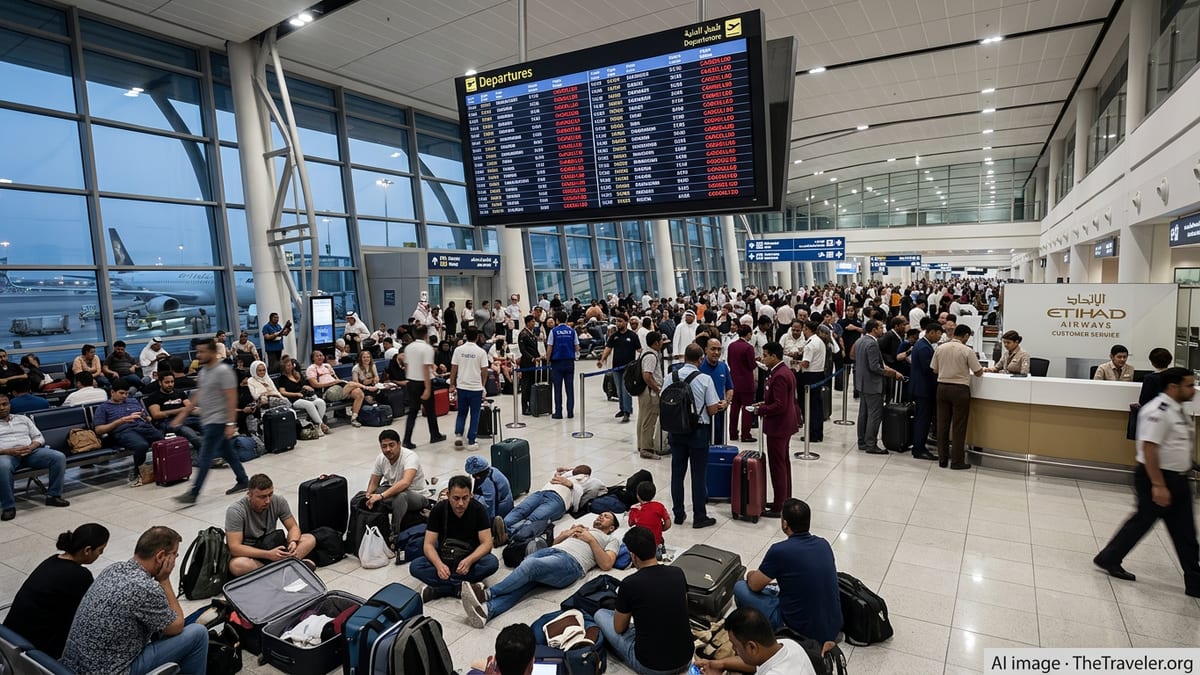
Overall picture for UAE airports on September 14
Publicly available airport and tracking data for September 14 indicate that Dubai International, Abu Dhabi’s Zayed International and Sharjah International remain open, with the majority of flights operating but pockets of disruption on certain routes. Major UAE carriers are continuing to adjust schedules after a weekend of interruptions affecting selected regional services.
Recent coverage from UAE-based outlets describes a pattern of scattered delays and cancellations across the weekend, particularly on regional routes, even as many long-haul operations gradually stabilise. Today’s live boards show a similar mixed pattern rather than a full return to normal, meaning passengers are being advised through airline channels to monitor bookings closely.
Travel advisories from foreign governments continue to flag the broader regional security environment, warning that airspace restrictions and sudden operational changes remain possible. While UAE airspace is open today, travellers are being urged to allow extra time at airports and to prepare for potential last-minute adjustments.
Emirates operations: mostly running, with isolated delays
Emirates remains the dominant carrier at Dubai International, and live tracking data for September 14 shows most long-haul flights operating close to schedule, with occasional delays on selected services. Recent performance on key routes such as Dubai–Washington indicates that flights have been arriving generally within typical delay ranges, with some services running under an hour behind schedule.
Weekend reporting suggested that Emirates was restoring more of its regional network while continuing to fine-tune timings on affected routes. Today, its schedules reflect largely intact operations to major global hubs, with the main risk for passengers being incremental delays during peak departure and arrival banks rather than widespread cancellations.
Travellers flying with Emirates are being encouraged, via public airline channels and airport guidance, to complete online check-in where possible and to track their flight numbers on official status pages up to the time of departure. This is especially important for those with tight onward connections through Dubai, where even short delays can compress transfer windows.
Etihad and Abu Dhabi departures: targeted delays on regional routes
At Abu Dhabi’s Zayed International Airport, Etihad’s operations today appear broadly stable, though some regional services are still showing schedule pressure. Flight-status portals for September 14 list departures such as Abu Dhabi–Muscat operating with moderate departure delays of around 20 to 30 minutes, alongside many services running on time.
Weekend coverage highlighted intermittent disruptions at Zayed International, reflecting ongoing regional uncertainty rather than airport-specific issues. Today’s data continues that trend: long-haul flights are largely operating, but regional departures can be vulnerable to short-notice schedule changes or aircraft rotations.
Passengers travelling on Etihad from Abu Dhabi are being advised through publicly available guidance to arrive at the airport well ahead of standard minimum check-in times and to keep an eye on both airline notifications and airport displays. Travellers with separate tickets for onward journeys through other hubs should build additional buffer time into their plans.
Air Arabia and flydubai: regional networks remain the most exposed
The burden of regional volatility continues to fall most heavily on carriers with dense short-haul networks, particularly Air Arabia and flydubai. Weekend reporting described cancellations and timing changes on several regional routes for these airlines, especially to destinations more directly affected by the wider regional crisis.
Today’s live boards at Sharjah International and Dubai International suggest that many Air Arabia and flydubai flights are operating, but with a higher incidence of delays and selective cancellations versus the long-haul-focused Gulf carriers. Because these airlines serve numerous secondary cities with relatively low frequencies, the cancellation of a single rotation can significantly disrupt passenger plans.
For travellers booked on Air Arabia or flydubai, the most practical approach is to monitor flight status repeatedly on the day of travel and to watch for rebooking options published through airline channels. Where possible, passengers connecting onto separate itineraries may wish to consider same-airline through tickets or more generous layover times until operations across the region are more predictable.
Practical guidance for travellers flying today
For anyone flying into or out of the UAE on September 14, the key message from publicly available aviation data and travel advisories is to stay flexible and informed. Airlines are operating the majority of scheduled services, but the environment remains fluid, particularly for regional routes and short-haul connections.
Before leaving for the airport, passengers should check live flight status using official airline tools or airport boards, confirming not only departure times but also terminal, gate and any aircraft changes. Because some services are departing slightly late but still operating, assuming a cancellation without checking can lead to missed flights.
Travellers are also being encouraged, through advisory notices, to keep digital and printed copies of tickets, confirmations and any rebooking messages readily available, which can speed up assistance at airport desks if disruptions occur. Those with fixed-time commitments at their destination may wish to consider travel insurance products that cover delays and cancellations, bearing in mind the specific terms related to regional security events.
With Emirates, Etihad, Air Arabia and flydubai all running substantial portions of their schedules today, most planned journeys are still going ahead. However, the combination of lingering operational backlogs from the weekend and an unsettled regional context means that careful pre-trip checks and extra time at the airport remain essential for UAE-bound and transit passengers.