


More news on this day
Passengers across the United Kingdom faced widespread disruption as more than 400 flight delays and at least nine cancellations impacted services from British Airways, easyJet, Ryanair, Aer Lingus and other carriers at major hubs including London, Manchester, Edinburgh and Birmingham.
Get the latest news straight to your inbox!
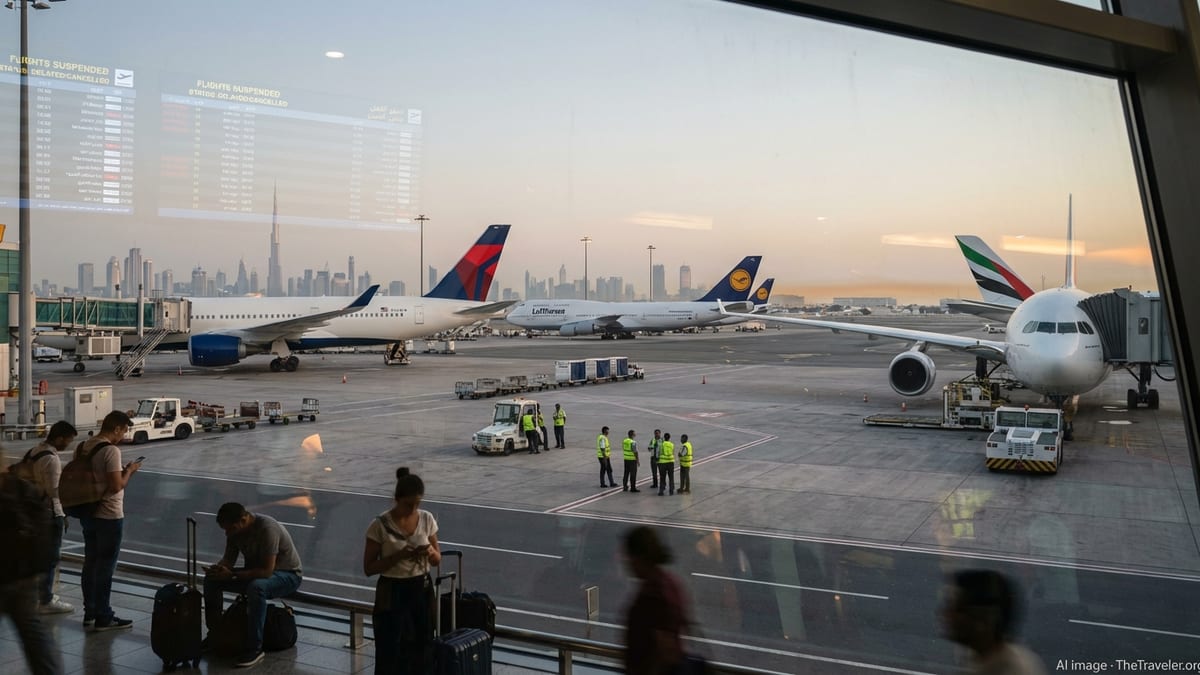
Major UK Hubs Hit by Wave of Disruptions
Publicly available flight tracking data on Saturday pointed to mounting knock-on disruption across the UK aviation network, with London, Manchester, Edinburgh and Birmingham among the hardest hit. The delays were concentrated among short haul services operated by major European carriers, but also affected some longer routes, frustrating passengers at the start of busy spring travel.
Departures from London’s main airports saw a cluster of pushed-back departure times for British Airways, easyJet and other airlines, with some services held at the gate for well over an hour. Arrivals were also impacted, compounding congestion as aircraft waited for stands and crews reached duty time limits.
In Manchester, which recent disruption reports already identify as one of the UK’s more delay-prone airports, late-running services stacked up through the morning and early afternoon. Edinburgh and Birmingham, both key bases for low cost operators, reported rising numbers of delayed turnarounds as aircraft arriving from elsewhere in Europe missed their scheduled slots.
The pattern left many passengers stranded for extended periods in terminals or forced to make last minute changes to their onward travel plans, particularly those relying on tight rail and coach connections.
British Airways, easyJet, Ryanair and Aer Lingus Among Worst Affected
The disruption involved a wide cross-section of airlines, but British Airways, easyJet, Ryanair and Aer Lingus featured prominently in delayed and cancelled operations. These carriers dominate much of the short haul traffic from London, Manchester, Edinburgh and Birmingham, so issues with their schedules had an outsized impact on overall punctuality.
British Airways, which operates dense schedules from London Heathrow and Gatwick as well as services from regional airports, saw multiple departures pushed back, including domestic connections and European city hops. Even modest delays on early rotations created a cascading effect throughout the day as aircraft and crews rotated between airports.
Low cost rivals easyJet and Ryanair, which run high frequency services from Manchester, Edinburgh and Birmingham to destinations across Europe, also recorded significant disruption. Their business model relies on rapid aircraft turnarounds and tight utilisation of fleets. When earlier flights run late, later departures can quickly fall behind schedule, leaving aircraft out of position around the network.
Aer Lingus services linking UK cities with Ireland and transatlantic hubs were similarly affected where they interfaced with congested airports. Delays on these routes left some passengers concerned about missed onward connections, especially those connecting from UK feeders to long haul flights.
Knock-on Causes Range from Congestion to Crew and Weather Issues
While a single underlying cause for the day’s disruption had not been clearly identified, operational data and recent disruption analyses point to a familiar mix of factors. High passenger volumes, weather-related air traffic control restrictions, and crews approaching regulated duty time limits all tend to interact to create systemic delays.
Short periods of reduced runway capacity, whether due to low visibility, strong winds or air traffic flow control, can quickly lead to a backlog of departures and arrivals at tightly scheduled airports like Heathrow and Gatwick. When those delays ripple out to regional hubs such as Manchester, Edinburgh and Birmingham, airlines sometimes lack spare aircraft and crew to recover their timetables quickly.
Industry punctuality reports for UK airports show that even in normal conditions a significant minority of flights depart late, with on time performance typically in the low to mid 70 percent range at busier hubs. When additional pressure is added by seasonal peaks, small operational issues can escalate into large-scale disruption affecting hundreds of services in a single day.
Airlines continue to adjust schedules and build in slightly longer ground times to improve resilience, but the latest wave of delays illustrates the continued vulnerability of the system when multiple stress factors coincide.
Stranded Travellers Face Long Queues and Uncertain Rights
For passengers, the operational explanations provided little comfort as departure boards filled with yellow and red delay markers. Travellers reported long queues at customer service desks and crowded seating areas as they waited for updated departure times or rebooking options.
Under UK and European air passenger rules, travellers on delayed or cancelled flights may be entitled to assistance such as meals, refreshments and hotel accommodation in some circumstances. Compensation can also be due for longer delays or cancellations that are not caused by extraordinary events such as severe weather or air traffic control strikes.
Consumer advocates frequently highlight that passengers must proactively check the conditions of carriage and official guidance to understand what support they can request. In practice, many stranded travellers focus first on simply securing a new seat to reach their destination, particularly when travelling for time-sensitive reasons such as family events, work commitments or connecting flights.
With multiple airlines affected simultaneously, capacity on alternative services was limited on the day, meaning some passengers faced the prospect of overnight stays or rerouting via other airports to complete their journeys.
Airlines and Airports Race to Stabilise Schedules
According to publicly available flight status boards, carriers began trimming parts of their schedules and consolidating lightly booked services in an effort to recover operations and free up aircraft and crews. Airports used social media feeds and terminal announcements to encourage passengers to arrive early, monitor their flight status closely and expect busy conditions at security and boarding gates.
Operational experts note that full recovery from a day of heavy disruption can take more than 24 hours, as aircraft and crews are repositioned and maintenance windows are rescheduled. Some early morning departures on the following day are likely to run late where aircraft failed to return to their planned overnight bases.
The latest wave of delays and cancellations is likely to renew scrutiny of the resilience of UK aviation infrastructure as travel demand continues to rise. Industry analysts have pointed to the need for more robust staffing levels, investment in air traffic management technology and realistic scheduling that reflects the constraints of crowded skies and airports.
For now, travellers planning to fly from London, Manchester, Edinburgh, Birmingham or other busy UK hubs are being advised to check real-time flight information before leaving for the airport, allow additional time for queues, and consider flexible arrangements for onward connections in case of further disruption.