


More news on this day
A cross-border passenger ferry operating between Nagapattinam in Tamil Nadu and northern Sri Lanka suffered a mechanical snag near Nagai, leaving 142 passengers stranded at sea for about four hours before the vessel was able to return to shore, according to initial regional media reports and publicly available tracking information.
Get the latest news straight to your inbox!
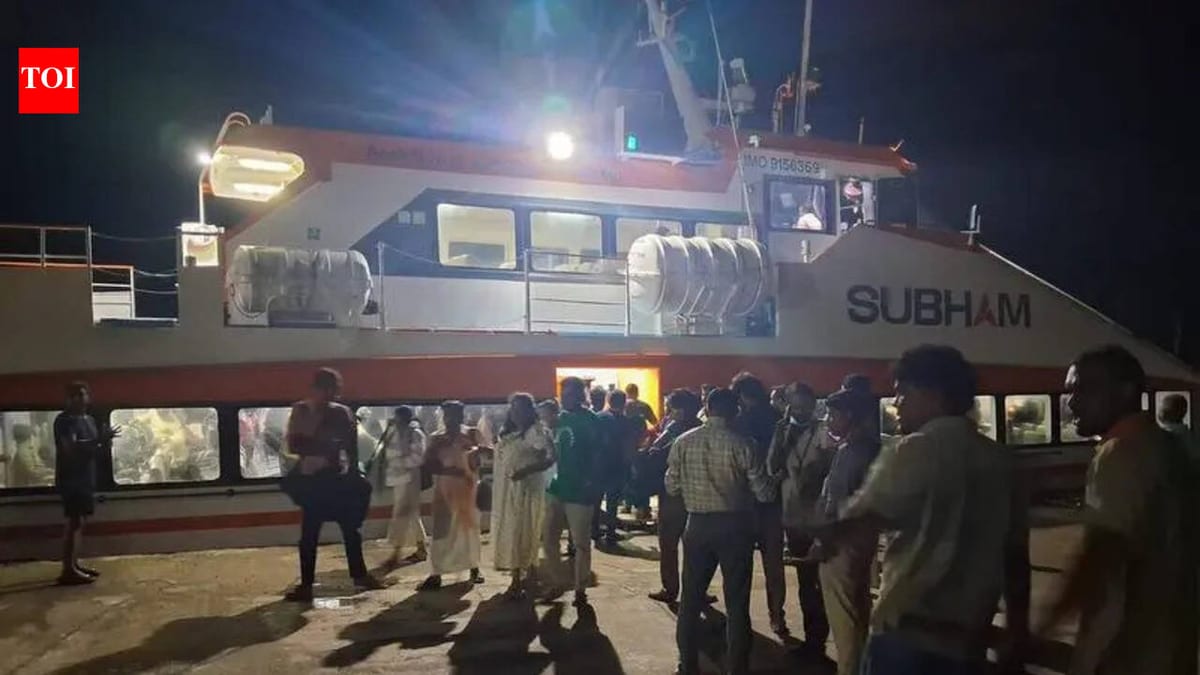
Mechanical problem halts India–Sri Lanka service off Nagai coast
Preliminary coverage from Indian and Sri Lankan outlets indicates that the incident occurred on a Colombo-bound service operating from Nagapattinam, part of the recently revived maritime link between India and Sri Lanka. The vessel reportedly encountered a technical fault off the Nagai coastline, also known as Nagapattinam district, forcing it to drift while crew worked to restore power and stability.
Passenger estimates vary slightly across reports, but figures converge around 142 people on board, including Indian and Sri Lankan nationals as well as some foreign tourists using the sea route in place of short-haul flights. No serious injuries have been reported so far, though several passengers are described as experiencing seasickness and anxiety during the prolonged delay offshore.
Tracking information and port schedules reviewed by regional media suggest the ferry was halted several nautical miles from Nagapattinam, within coastal waters but far enough offshore that immediate transfer to smaller craft was not considered an option during the peak of the disruption. Conditions in the Bay of Bengal at the time were described as moderate, with choppy seas but no severe weather system in the immediate vicinity.
The service involved is part of efforts to rebuild maritime connectivity across the Palk Strait, linking Tamil Nadu with Sri Lanka’s northern and western ports after decades of interruption. The route has attracted growing interest from religious pilgrims, business travelers and budget-conscious tourists seeking an alternative to air travel.
Four hours adrift test nerves but mass casualty averted
Accounts compiled in local coverage describe a tense four-hour period in which passengers remained on board as the ferry lay stalled. Some travelers reported via social media posts that lighting and air conditioning were briefly interrupted, although critical systems such as communications and basic power appeared to remain operational while crew assessed the fault.
Publicly available information from port sources suggests that the vessel’s engines suffered a mechanical issue that limited propulsion, prompting the captain and operating company to halt onward travel while support was organized from shore. There is no indication at this stage of hull damage or a collision, and early reports do not point to any flooding in passenger areas.
In spite of the disruption, the incident did not escalate into a mass-casualty emergency. Lifejackets and rafts reportedly remained in reserve, and there are no reports so far of passengers being ordered to abandon ship. After approximately four hours, the ferry was either partially powered or taken under tow back toward Nagapattinam, where disembarkation procedures took place under the supervision of port personnel.
Mental strain, however, was significant for many on board. Social media posts quoted in regional outlets describe children crying, elderly passengers becoming unwell and some travelers expressing concern about the apparent lack of clear information in the early phase of the breakdown. Maritime safety observers note that even relatively short periods of uncertainty at sea can feel prolonged and unsettling for travelers unfamiliar with marine operations.
Safety standards and revived corridor under renewed scrutiny
The breakdown occurred against the backdrop of renewed promotion of the Nagapattinam to Sri Lanka corridor as a symbol of closer economic and cultural ties. The route has been framed as a convenient entry point for Sri Lankan visitors to Tamil Nadu temples and markets, and for Indian travelers heading toward Jaffna, Mannar and Colombo, with potential spur connections onward to other parts of the island.
Ferry safety in South Asia is frequently under scrutiny because of past incidents involving overcrowding, poor maintenance and limited emergency training. Analysts observing the latest episode near Nagai emphasize that, while no lives were lost in this case, the mechanical failure highlights the importance of strict inspection regimes and redundancy in propulsion and power systems on cross-border passenger services.
Publicly available fleet data indicate that vessels on this corridor are expected to comply with international safety codes for passenger ships, including life-saving appliances, navigation equipment and stability standards. Maritime commentators following the Nagapattinam service suggest that the operator’s handling of maintenance schedules, crew training and emergency communication will likely face tighter review in the weeks ahead.
Some tourism industry voices also note that the developing ferry link is marketed as a convenient and scenic alternative to air travel. They argue that maintaining consistent reliability and visible safety practices is crucial if the route is to attract repeat travelers, particularly from overseas markets where confidence in sea transport is shaped by perceptions of oversight and modern equipment.
Passenger experience and the outlook for tourism flows
The four-hour delay at sea is expected to have immediate knock-on effects for travel itineraries, particularly for passengers with onward road or rail connections from both Nagapattinam and Sri Lankan ports. Tour operators that bundle ferry tickets with hotel stays and pilgrim circuits are likely to face schedule disruptions and rescheduling costs after the incident.
Early reactions captured in regional news coverage suggest a mixed response among passengers. Some travelers expressed frustration at the lack of precise information about the nature of the snag and expected timelines, while others acknowledged that returning to port rather than pressing ahead with a compromised vessel was a prudent choice. The episode has triggered fresh discussion on social media about whether travelers should factor in greater buffer time when relying on the nascent sea corridor.
Transport observers point out that new or revived ferry routes often experience teething issues as operators adjust to real-world conditions, passenger volumes and seasonal weather patterns. They note that how quickly the Nagapattinam service addresses mechanical reliability and communication protocols will influence whether this incident becomes a temporary setback or a longer-term reputational challenge for the India–Sri Lanka ferry experiment.
For now, regional travel planners are watching for formal updates on the vessel’s inspection results, any revised sailing schedules and potential policy moves to strengthen oversight of passenger ferries in the Bay of Bengal. The safe return of all 142 passengers in this case provides some reassurance, but it also underlines how quickly a mechanical snag in coastal waters can shift from a routine inconvenience to a headline-grabbing test of confidence in maritime links between the two neighbors.