


More news on this day
Irish passengers returning from the cruise ship at the center of a hantavirus outbreak will be quarantined in a dedicated Health Service Executive facility on arrival, as public health authorities move to contain any potential spread linked to the voyage.
Get the latest news straight to your inbox!
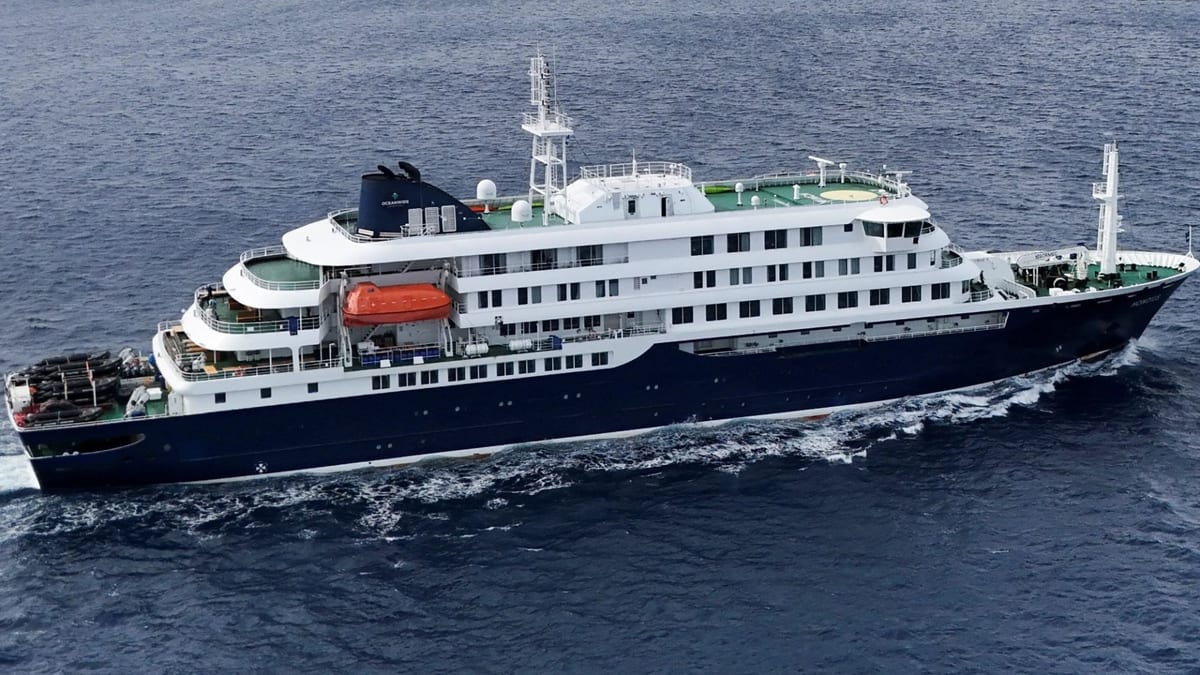
HSE prepares dedicated quarantine for returning cruise passengers
Publicly available information indicates that Ireland is making arrangements for its citizens who travelled on the Dutch-flagged MV Hondius, the cruise ship associated with a cluster of hantavirus infections and several deaths. The passengers are expected to be taken directly to a secure Health Service Executive facility for a period of monitored quarantine once they land in Ireland.
European disease surveillance documents list Irish nationals among those on board during the outbreak period, alongside citizens of several other EU and non-EU states. In line with that assessment, Irish health planners are activating existing protocols for high-consequence infectious diseases, adapted from earlier response plans for events at seaports and airports.
Reports indicate that the strategy is designed to separate returning passengers from the general public immediately, using controlled transfers from their point of entry to an HSE-operated site with clinical oversight and on-site testing capacity. The approach mirrors arrangements in other countries that are also repatriating their citizens from the same vessel.
The HSE’s previous use of designated quarantine complexes during the COVID-19 pandemic has given Ireland a blueprint for rapid activation of secure accommodation, logistics and clinical support. According to publicly available guidance, such facilities can provide individual rooms, medical monitoring and infection-prevention controls suitable for diseases with longer incubation periods.
Global cruise outbreak sends passengers into quarantine worldwide
The decision to house Irish passengers in an HSE unit comes as several countries implement parallel plans for their own nationals caught up in the MV Hondius incident. Recent media coverage in North America describes arrangements for United States citizens to be transferred to a biocontainment and quarantine complex in Nebraska, while Canadian reports mention a small number of individuals being isolated on home soil after potential exposure.
In Europe, coverage from Spain outlines preparations in the Canary Islands, where the ship is heading, including controlled disembarkation procedures and strict separation between passengers and the local population. British media reports describe efforts to trace and repatriate UK citizens, with quarantine on arrival forming a central part of those plans.
International assessments from regional health agencies and the World Health Organization describe a multi-country response focused on careful contact tracing, tailored quarantine and rapid clinical evaluation of anyone who develops symptoms. The listing of Ireland among the affected nationalities places the HSE response within this broader international containment effort.
Travel-industry observers note that the case is being closely watched by cruise operators and destination ports, given that it involves a rare virus and suspected instances of person-to-person transmission. The handling of returning passengers in various home countries, including Ireland, is expected to shape future protocols for expedition-style itineraries that visit remote regions before returning to major hubs.
What is known about the hantavirus linked to the ship
The outbreak on the MV Hondius has been associated in public reporting with Andes virus, a type of hantavirus more commonly documented in parts of South America. Hantaviruses are typically carried by rodents, and most known strains spread to humans through contact with contaminated droppings or urine rather than through sustained human-to-human transmission.
Health briefings published this week emphasise that the overall risk to the wider public remains low, but they also highlight the seriousness of the illness in those who do become infected. The current cluster has been linked to several deaths and a number of severe respiratory cases requiring intensive care, which has prompted cautious but visible intervention from international health bodies.
For Irish passengers, quarantine in an HSE facility is expected to allow for regular monitoring during the virus’s incubation window, which can extend for several weeks. If any returnee were to develop early symptoms, such as fever or flu-like illness, clinical teams would be able to arrange prompt testing and, if necessary, hospital-level care without exposing additional contacts.
The HSE’s decision to plan for centralized quarantine instead of relying solely on home isolation reflects an effort to maintain tight control over infection-prevention measures. This includes the use of appropriate personal protective equipment by staff, environmental cleaning protocols and structured procedures for waste management and laboratory sample handling.
Travel disruption and reassurance for Irish holidaymakers
For Irish travellers who had planned or recently completed cruise holidays, news of the hantavirus incident has raised concerns about both health risks and future itineraries. Travel agents and cruise specialists indicate that, while this outbreak is being treated as an exceptional event, it has triggered a wave of queries about medical capabilities on board and repatriation arrangements if something goes wrong during a voyage.
Industry commentary suggests that expedition and niche cruise operators may now be asked to provide more transparent information about their infectious-disease contingency plans, including how they coordinate with national health systems such as the HSE when Irish citizens are involved. Some operators already include medical evacuation options and outbreak protocols in their pre-departure briefings, and those materials are likely to be scrutinised more closely in the wake of the Hondius case.
Irish public health messaging is expected to focus on proportionate reassurance. Published assessments from European health bodies state that the likelihood of wider community spread from this episode is considered low, particularly when exposed passengers are promptly identified and quarantined. For most holidaymakers, routine travel health advice, attention to insurance coverage and awareness of destination health conditions remain the main recommendations.
Nevertheless, the visible use of an HSE quarantine facility for returning passengers underlines how international travel can rapidly intersect with domestic health planning. For Ireland’s tourism and aviation sectors, it is another reminder that clear communication, early coordination with health authorities and flexible operational plans remain essential when managing unexpected events affecting travellers.
HSE playbook shaped by COVID-era preparedness
Although hantavirus behaves very differently from respiratory viruses such as COVID-19, Ireland’s pandemic experience appears to be informing the current response. HSE documents developed during the coronavirus emergency set out detailed frameworks for managing high-risk arrivals, running state-managed quarantine and coordinating testing, tracing and clinical escalation.
Those frameworks can be adapted to the present situation, even if the specific pathogen and scale of the event differ. HSE staff have experience with logistics such as secure transport from ports of entry, on-site sample collection, and the psychological support needed for people asked to spend days or weeks in isolation away from home.
For the wider public, the sight of returning passengers being transported directly to an HSE facility may evoke memories of earlier pandemic imagery. However, current expert assessments emphasise a very different risk profile: a small number of potentially exposed individuals, structured monitoring and a strong focus on containment at source rather than society-wide restrictions.
As the MV Hondius continues its journey toward the Canary Islands and countries organise the return of their citizens, Ireland’s plan to place its passengers in an HSE quarantine unit illustrates how national health systems now move quickly to apply established playbooks to new and unexpected travel-related threats.