


More news on this day
Governments are escalating travel warnings for multiple destinations across the Middle East, as renewed conflict, shifting front lines and transport disruptions reshape the risk calculus for both holidaymakers and transit passengers.
Get the latest news straight to your inbox!
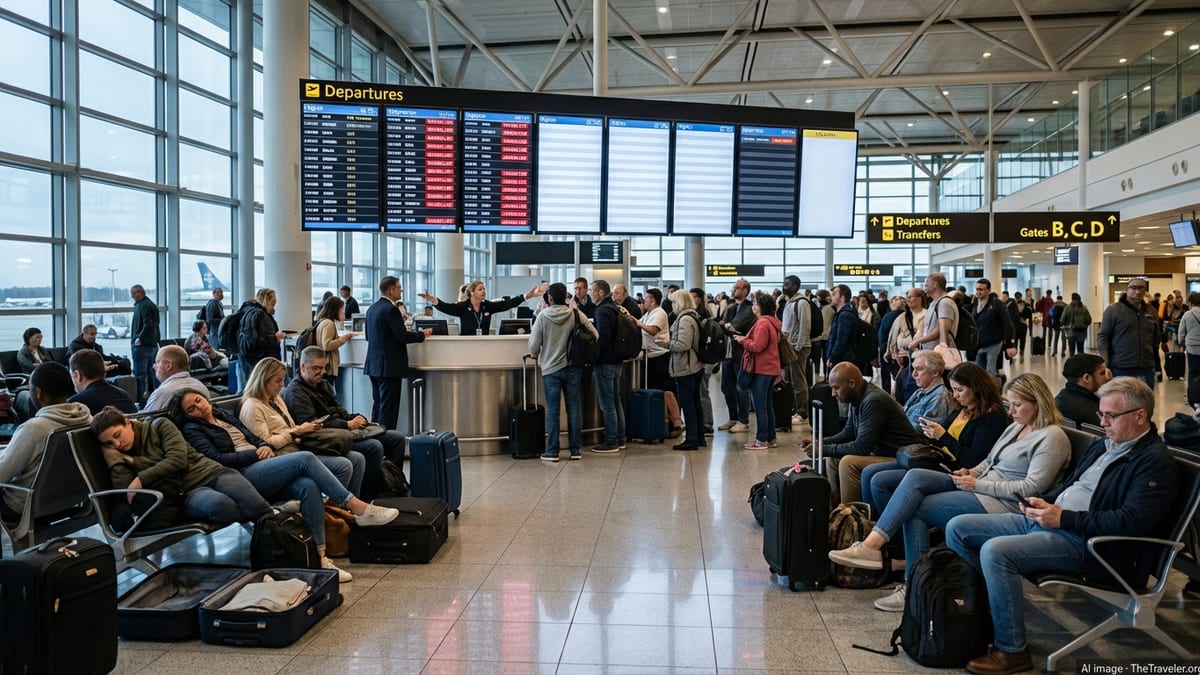
Advisory levels raised across key countries
Publicly available information from national foreign ministries shows a widening area of the Middle East now covered by the highest levels of travel warning. The United States currently categorises Iran, Iraq, Lebanon, Syria, Yemen and Gaza as “do not travel” destinations, while advising travellers to reconsider non-essential trips to several Gulf and Levant states including Bahrain, Jordan, Kuwait, Oman, Qatar, Saudi Arabia, the United Arab Emirates and Israel.
Lebanon is among the most prominent examples of recent escalation. The country moved to a Level 4 “do not travel” advisory in May 2026, with the update noting heightened risks linked to unrest, terrorism, kidnapping and armed conflict. Earlier in the year, Washington authorised the departure of non-essential staff, signalling concern over the trajectory of violence along the country’s southern and eastern borders.
Israel and the Palestinian territories remain under elevated advisories as well. The United States maintains “reconsider travel” guidance for Israel, the West Bank and Gaza, reflecting continued security incidents and military activity in both border areas and major population centres. Similar language appears in advisories issued by European governments, which emphasise that the situation can change at short notice and that local curfews or movement restrictions may be imposed without warning.
United Kingdom travel advice mirrors many of these patterns. The Foreign, Commonwealth and Development Office advises against all travel to Yemen and highlights specific no-go areas in Iraq, Syria and parts of Israel and Lebanon. Updates issued on 21 July 2026 reiterate that the security environment in Yemen remains highly unpredictable, with little prospect of safe, routine tourism in the near term.
Global alerts and maritime flashpoints
Travel warnings are not limited to individual countries. On 20 July 2026, the United States issued a renewed worldwide caution, urging citizens to exercise increased vigilance in light of ongoing conflict in the Middle East and the potential for attacks or protests targeting Western interests abroad. The notice specifically flags the possibility of sudden airspace closures, flight cancellations and delays affecting departures from or over the region.
At sea, risk assessments have been revised upward in several critical shipping lanes. The narrow Bab el Mandeb strait at the southern entrance to the Red Sea has re-emerged as a focal point, following recent statements by Yemen’s Houthi movement about targeting Saudi-linked shipping. Reporting by international media and maritime security groups describes the area as a potential choke point for global trade, with any sustained disruption likely to ripple through cruise itineraries and ferry routes as well as cargo traffic.
United Kingdom guidance on piracy and regional maritime threats notes that military activity around Yemen, the Gulf of Aden and the southern Red Sea has increased since 2024, and that regional travel advice may be adjusted quickly when incidents occur. Recent conflict developments, including the 2026 Iran war and associated missile and drone activity, have prompted additional caution regarding ports and waters off Iran and neighbouring states along the Arabian Gulf.
For travellers, these maritime dynamics matter because many Red Sea and Gulf cruises, private yacht voyages and liveaboard diving trips depend on predictable access to these waterways. Operators are already adjusting itineraries away from higher-risk zones, and some national authorities emphasise that passengers should avoid embarking on sea journeys that would bring them close to declared military operating areas.
Airspace closures disrupt major transit hubs
Aviation disruption has become one of the most tangible consequences of the latest escalation. Following large-scale strikes linked to the Iran conflict earlier in 2026, multiple Middle Eastern and international airlines suspended flights across the region. Airports in Dubai, Abu Dhabi, Kuwait and other hubs experienced mass cancellations, forcing rerouting of long haul services between Europe, Africa and Asia.
Recent coverage from regional outlets indicates that airlines are again cutting capacity on key routes. On 21 July 2026, airlines including European flag carriers announced fresh suspensions of services to Dubai, Riyadh and Beirut, citing security assessments and uncertainty around the stability of regional airspace. Schedules remain fluid, and travellers are advised to confirm flights shortly before departure and to plan for possible last minute changes.
European aviation authorities have updated their own risk bulletins. In early July, the European Union Aviation Safety Agency replaced a broad conflict zone circular covering the Middle East and Persian Gulf with more targeted advisories on Iran, Iraq and Lebanon, describing persistent high risk in certain airspace segments. While this shift reflects some easing of immediate tensions on specific corridors, the underlying guidance still categorises overflights near active conflict areas as carrying elevated danger.
Industry analyses from organisations such as IATA describe the 2026 Iran war as the most severe shock to Middle Eastern air traffic since the pandemic. Airlines have been forced to operate longer routings around closed or contested airspace, adding fuel costs and increasing journey times. For passengers, this has translated into higher fares on some routes, reduced seat availability and a greater likelihood of indirect routings via secondary hubs.
Tourism plans recalibrated across the region
The tightening of advisories and persistent transport complications are reshaping how leisure travel to the Middle East is planned and perceived. Destinations that previously marketed themselves as safe, convenient stopovers or beach escapes are now frequently listed in Level 3 “reconsider travel” categories, narrowing the pool of countries promoted for mainstream tourism from North America and Europe.
Industry observers note that traditional tourism powerhouses such as Dubai, Abu Dhabi and Doha have seen a shift from discretionary leisure travel to more essential or pre-planned trips, including family visits and business journeys that cannot easily be postponed. At the same time, secondary destinations that sit further from active conflict zones are positioning themselves as alternative gateways, although they too are vulnerable to regional airspace and maritime disruptions.
Travellers who still choose to visit the region face a more complex preparation process. Advisory language across multiple governments now stresses the importance of contingency planning, including flexible, refundable tickets, comprehensive travel insurance that covers political and security events, and an understanding that embassies may have limited ability to provide assistance in high risk areas. Many countries explicitly urge citizens in certain Middle Eastern states to leave while commercial options remain open.
For tour operators and travel agencies, the current environment requires constant monitoring of official advisories and airline schedules, as well as frank communication with clients about the possibility of abrupt cancellations. While some travellers continue to prioritise cultural and religious tourism in countries such as Jordan, Saudi Arabia and Israel, the overall trend in 2026 points toward more cautious, last minute decision making and a preference for destinations with stable, low risk ratings.
What travellers should watch in the months ahead
Looking toward the second half of 2026, several variables are likely to shape the trajectory of travel warnings in the Middle East. Developments in the Iran conflict, the durability of ceasefire arrangements in Gaza and Lebanon, and the behaviour of non state armed groups in Yemen and Iraq all feature prominently in risk assessments compiled by governments and independent analysts.
Observers highlight that even in the absence of major new offensives, intermittent missile or drone incidents, cross border skirmishes or attacks on commercial shipping can trigger rapid changes in advice levels, airspace restrictions or insurance coverage. The experience of early 2026, when many airlines cancelled services with only hours of notice, underlines how quickly conditions can shift for travellers in or near the region.
Global security alerts are likely to remain in place for some time. The latest worldwide caution from the United States describes an environment in which individuals and locations associated with Western states may face elevated risk, not only within the Middle East but also in neighbouring regions that host large numbers of transit passengers. Other countries maintain similar broad cautions, urging travellers to follow local media, register with consular services where available and keep family or contacts informed of their movements.
For now, the consensus in published travel advice is that anyone considering non essential trips to higher risk parts of the Middle East should weigh their plans carefully, remain flexible and be prepared for sudden disruption. As the regional security picture continues to evolve, advisory maps and airline networks are expected to adjust in tandem, keeping the outlook for tourism and transit uncertain well into 2026.