


More news on this day
Severe flight disruption across major UK airports this April is placing fresh attention on air passenger protections, as the government reiterates that travellers are entitled to clear legal rights on delays, cancellations and compensation under the UK261 regulation.
Get the latest news straight to your inbox!
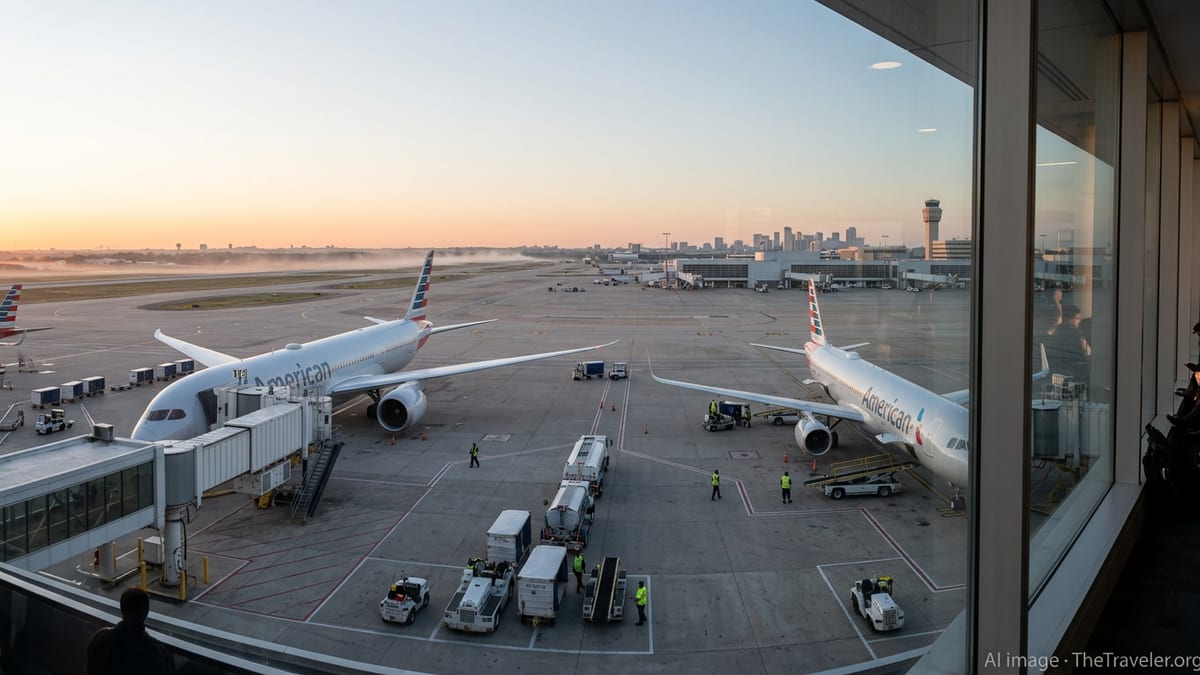
Weather, Airspace Pressures and Easter Crowds Snarl Schedules
A combination of heavy spring weather systems, knock-on airspace restrictions linked to Middle East tensions and peak Easter holiday demand has left airlines struggling to maintain schedules at London Heathrow, Gatwick and other key UK hubs in recent days. Industry trackers report thousands of passengers facing missed connections, long queues and aircraft stuck out of position as operations attempt to recover.
Reports from aviation data platforms indicate that Heathrow and Gatwick have recorded some of the continent’s worst on-time performance during the second week of April, with average delays at certain points stretching close to or beyond an hour. Regional centres such as Manchester have also reported rolling disruption as early morning hold-ups ripple through the day’s rotations.
The latest disruption follows a difficult winter in which UK airports have repeatedly contended with storms, dense fog and air traffic control capacity constraints across European airspace. Analysts note that each new episode is increasingly being viewed through the lens of statutory passenger rights, with travellers more aware of when they can seek redress.
Travel advisers suggest that the volume and frequency of recent disruption are likely to generate a surge of claims under UK261, particularly in cases where technical faults, crew shortages or scheduling decisions rather than extreme weather have been identified as the primary cause.
Government Reaffirms UK261 as Core Passenger Protection
Against this backdrop, publicly available guidance from UK institutions has again highlighted the application of UK261, the post-Brexit successor to the European Union’s EC261 air passenger rights framework. The regulation sets common rules for compensation and assistance when flights are significantly delayed, cancelled or overbooked, and applies to departures from UK airports on any carrier, as well as flights into the UK on UK and certain European airlines.
Government-facing briefings underline that while the UK has left the EU, the core consumer protections of EC261 have been retained and transposed into domestic law as UK261. Passengers therefore continue to benefit from a structured regime that obliges airlines to offer rerouting or refunds in the event of cancellations and to provide meals, refreshments and accommodation where long waits are involved.
Legal commentators note that the current disruption is an important test of how consistently airlines communicate these rights. Consumer advocates argue that some travellers still leave airports unaware that they could be entitled to reimbursements for out-of-pocket expenses, or in eligible cases, fixed-sum compensation in addition to refunds or rebooking.
According to published coverage from consumer organisations, the Civil Aviation Authority and specialist claims firms, the UK government’s position is that these entitlements are not discretionary gestures but enforceable legal standards. Airlines are expected to inform passengers of their options in a clear and accessible way when disruption occurs.
What Travellers Can Expect in Cases of Delay or Cancellation
Under UK261, the key tests for compensation and assistance revolve around the length of delay at final arrival, the distance of the flight and whether the disruption was within the airline’s control. For long delays, passengers may be entitled to care in the form of food and drink vouchers, hotel stays where an overnight is required, and transfers between the airport and accommodation.
Where flights are cancelled or delayed by several hours for reasons attributed to the airline, such as technical issues with the aircraft, crew rostering problems or operational decisions, the regulation provides for fixed compensation bands that increase with route distance. Industry guidance emphasises that this compensation is separate from the right to choose between a refund and alternative transportation to the final destination.
However, the law also recognises the concept of extraordinary circumstances. When major disruption is primarily the result of severe weather, sudden airspace closures, security incidents or certain air traffic control restrictions, published guidance from the Civil Aviation Authority and consumer advice services states that airlines may not be liable for compensation, though they must still provide care and rerouting where practical.
Legal specialists point out that the distinction between airline-controlled causes and extraordinary events can be complex in practice, especially during multi-day crises in which an initial storm or airspace restriction is followed by crew displacement and aircraft shortages. Travellers are therefore encouraged by consumer groups to keep detailed records of notifications and boarding passes when considering a claim.
Rising Awareness and Disputes Over Eligibility
The recent wave of UK flight disruption is unfolding at a time of rising public awareness of air passenger rights. Online forums and social media platforms are carrying increasing numbers of discussions about UK261 claims, with travellers sharing template letters, airline responses and examples of successful challenges to initial denials.
According to travel rights resources, many disputes centre on whether an airline has correctly classified the cause of disruption as extraordinary, and whether the delay at the final destination rather than at an intermediate stop has been correctly calculated. Case law built up over the past decade has clarified several aspects of the regime, including the treatment of long connecting itineraries and the threshold at which a long delay can be treated similarly to a cancellation.
Consumer advocates describe a pattern in which some passengers accept a first refusal of compensation without realising that further escalation, including complaints to alternative dispute resolution bodies or county courts, can sometimes reverse the outcome. Published guides increasingly advise travellers to request specific evidence when airlines cite technical or air traffic causes as justification for declining payment.
Industry analysts suggest that as more travellers become familiar with UK261 terminology and precedent, airlines face growing pressure to document disruption causes in greater detail and to ensure consistency between public statements and responses to individual claims.
Implications for Summer Travel and Airline Planning
The latest disruption has prompted questions about how resilient UK airline schedules will be heading into the busy summer season. Travel market commentary notes that high load factors, tighter crew rostering and continuing volatility in European airspace are likely to keep operations vulnerable to cascading delays when weather or air traffic problems occur.
At the same time, the reinforcement of UK261 protections shapes how carriers plan for disruption. Analysts point out that predictable compensation liabilities can create incentives for airlines to invest in spare aircraft capacity, better real-time crew management and improved passenger communication tools that may reduce both delays and the volume of disputed claims.
For travellers, the main implication is that knowledge of rights has become an essential part of planning. Travel advisers recommend budgeting extra connection time on complex itineraries, monitoring flight status closely in the days before departure and retaining receipts for any necessary accommodation or meals if disruption hits.
With UK261 firmly embedded in domestic law and flight disruption again making headlines, expectations are rising that airlines operating to and from the UK will treat transparent handling of delays and cancellations as a core part of customer service rather than a legal afterthought.