


More news on this day
UK holidaymakers heading to Spain have been urged to prepare for significant disruption as a nationwide strike and ongoing transport problems threaten flights, rail services and local connections across one of Britain’s most popular destinations.
Get the latest news straight to your inbox!
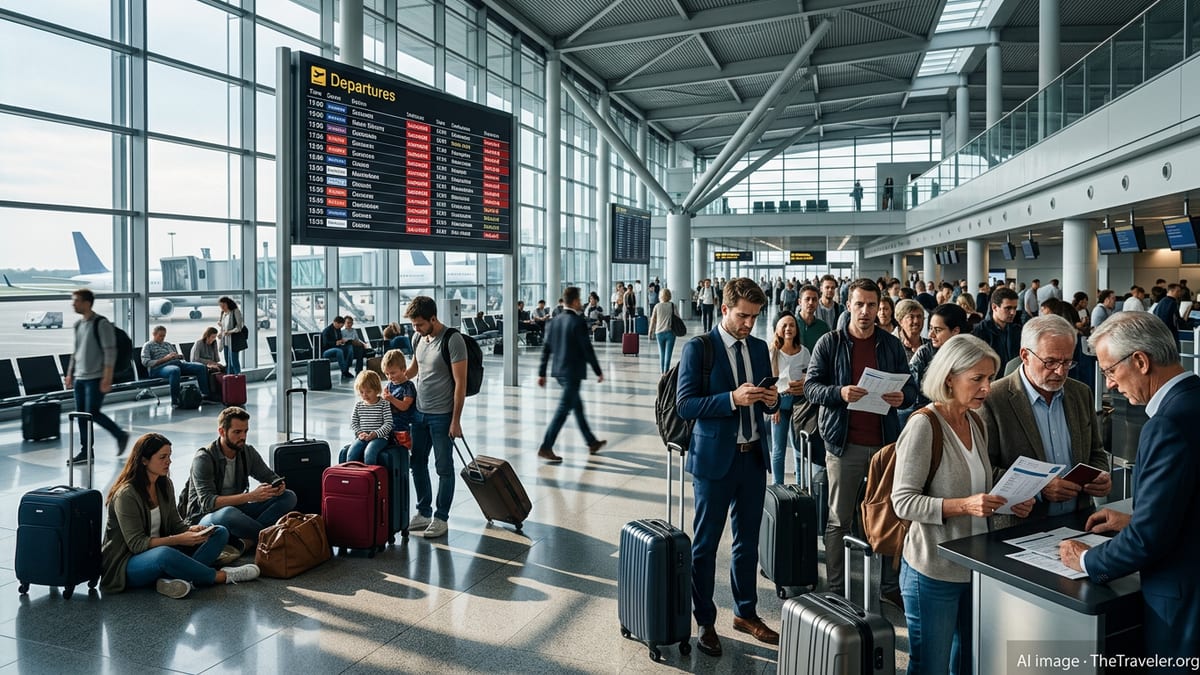
General strike adds to an already strained transport network
Updated travel advice from the UK government highlights a national strike in Spain on 11 November, with warnings that walkouts could affect a range of transport services and cause delays for visitors. Publicly available information on the Foreign, Commonwealth & Development Office (FCDO) travel advice page for Spain notes that the strike is expected to hit transport systems and urges travellers to check with their providers for the latest status of journeys.
The 24 hour general strike, backed by major Spanish unions, covers much of the public and private sector and comes at a time when Spain is already facing pressure on its infrastructure. Strike calendars compiled by specialist disruption trackers show coordinated industrial action around rail operations, airport ground services and other public transport, particularly in and around major cities and resort gateways.
Independent strike overviews indicate that the 11 November stoppage forms part of a broader autumn of protests and labour disputes, with calls for higher wages and concerns over the cost of living. For visitors, the practical consequence is a higher risk of cancellations or last minute timetable changes on the very day many UK travellers are scheduled to fly in or out of Spain.
Rail services hit by collision fallout and staff walkouts
Rail passengers are facing a double strain, with strike action layered on top of existing disruption following a high speed rail collision near Toledo on 28 October. Official Spanish bulletins and international media reports state that 69 people were killed in the crash, which has led to continuing suspensions and reduced services on some long distance routes connecting Madrid with Andalusia and other regions.
The FCDO’s Spain advisory notes “significant disruption” to rail services after the collision and directs travellers needing information about affected passengers to the national operator Renfe. Separate public documentation from Spain’s Ministry of Transport outlines minimum service levels ordered for upcoming rail strikes, confirming that only a limited proportion of trains must be kept running during industrial action.
Rail disruption summaries aimed at international travellers indicate that Renfe drivers staged, or have planned, 24 hour stoppages that affect trains between 10 and 12 November, with some dates later in the month also earmarked for further action. While minimum services help preserve a skeleton timetable on key corridors, many non essential trains can be cancelled or combined, making reservations harder to rely on and forcing passengers onto alternative departure times.
Travellers using popular tourist routes such as Madrid to Seville, Barcelona to Valencia or connections into northern Spain are being advised by operators and travel platforms to check reservations repeatedly in the days leading up to departure and to have back up options by bus or car hire where possible.
Airports braced for delays despite limited formal strikes
While there is currently no blanket strike shutting down Spain’s major airports, the general strike and a series of sector specific disputes are expected to create knock on disruption for flights. Flight rights specialists tracking industrial action across Europe list the 11 November general strike as affecting airports including Madrid Barajas, Barcelona El Prat, Palma de Mallorca, Málaga and Alicante, although as of mid week there were no nationwide flight cancellations mandated in advance.
Recent strike trackers and guidance sites explain that Spanish regulations require minimum service levels for essential transport, including air traffic control and certain airport activities. As a result, core operations should continue at major hubs, but services that depend on voluntary attendance, such as some baggage handling, check in and cleaning teams, may run short staffed if workers join the general strike.
In addition, separate long running disputes at regional airports and handling companies, such as ground staff at Barcelona, are contributing to uneven levels of service around the country. Travellers have reported longer queues, slower baggage delivery and occasional last minute gate changes at peak times, even on days without formal aviation strikes.
Industry advisories recommend that passengers flying between the UK and Spain on or around the strike date arrive earlier than usual, keep airline apps and notifications switched on, and be prepared for boarding or departure delays even if their flight is not cancelled outright.
Impact on local transport and onward journeys
Beyond airports and intercity trains, the national strike is expected to affect metro systems, suburban rail, trams and buses in many Spanish cities. Local authority notices and strike calendars indicate that participation can vary between regions, but minimum services often mean reduced frequencies and crowded trains rather than a complete shutdown.
Visitors arriving into Madrid, Barcelona, Valencia or Seville on 11 November and surrounding days may therefore find it harder to connect swiftly from airports or main stations to central hotels. In some areas, taxi demand is likely to spike as residents and tourists look for alternatives to reduced public services, particularly during rush hours and late evening.
Travel disruption resources covering Spain note that, in addition to industrial action, recent severe autumn storms have already caused temporary road and rail problems in parts of the country. Red and orange weather warnings issued in early November for heavy rain and strong winds led to localised flooding, fallen trees and brief line closures on certain regional routes, adding another layer of uncertainty for journeys tightly timed around the strike period.
Tour operators and rail pass providers are advising customers to allow extra transfer time between different modes of transport, avoid planning same day cross country rail connections to meet flights, and keep accommodation bookings flexible where possible.
Advice for UK travellers heading to Spain
Publicly available guidance from the UK and other governments stresses that the situation in Spain remains calm overall, and that the presence of strikes and protests does not, in itself, make the country unsafe for visitors. However, travellers are being urged to stay alert to changes, especially if they are due to travel on or close to the 11 November strike date.
The FCDO encourages anyone planning a trip to monitor its Spain travel advice page for updates and to sign up for email alerts. In parallel, airlines, rail operators and booking platforms are providing real time information through their websites and apps, which will usually be the first place that timetable changes or cancellations appear.
For those with imminent departures, practical steps include checking in online as soon as possible, confirming transfer arrangements to and from airports, and considering staying close to departure points the night before travel to reduce the risk of being caught out by local transport interruptions. Travellers who experience significant delays or cancellations may have rights to rebooking, care and, in some cases, compensation under UK and EU regulations, depending on the cause of the disruption.
With Spain remaining a central destination for UK holidaymakers even in the late autumn shoulder season, the combination of a nationwide strike, rail accident fallout and unsettled weather means that journeys may take longer and require more flexibility than usual. Those who build additional time into itineraries and keep a close watch on official updates are likely to be best placed to navigate whatever disruption materialises.