


More news on this day
The United Kingdom has tightened its travel advice for Saudi Arabia following a series of Houthi missile and drone strikes on airports, energy infrastructure and Red Sea shipping routes, prompting new warnings for British travelers and companies operating in the kingdom.
Get the latest news straight to your inbox!
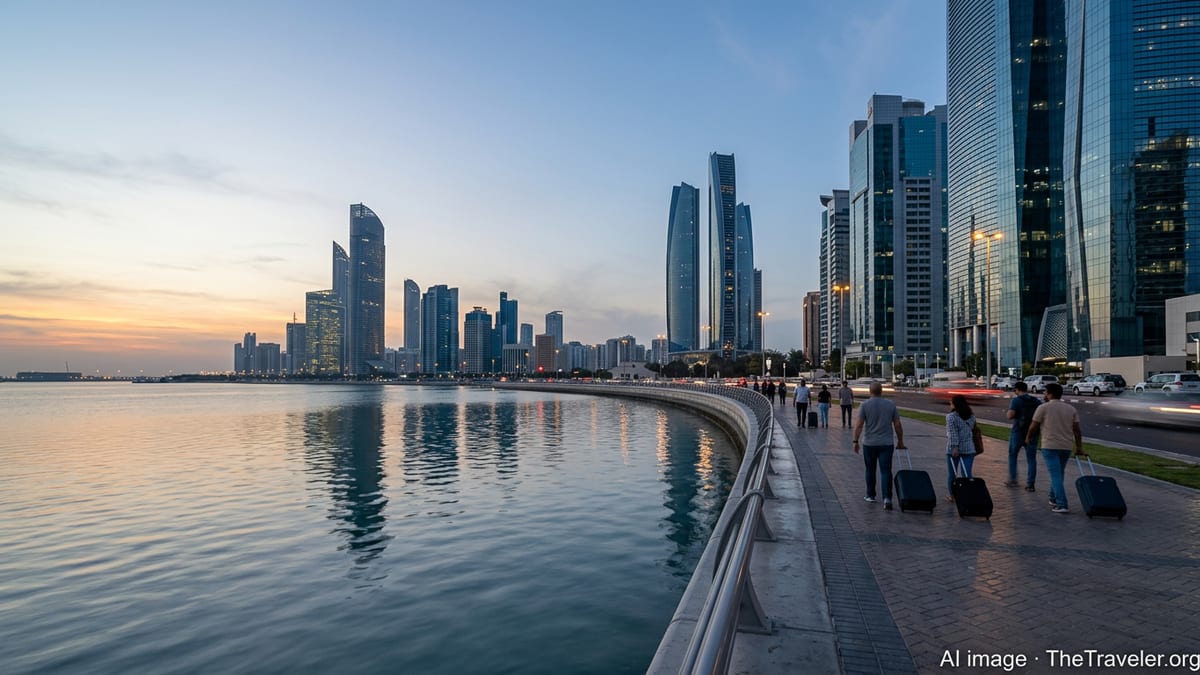
Missile Strikes Trigger Stricter UK Guidance
Updated Foreign, Commonwealth and Development Office (FCDO) guidance for Saudi Arabia now highlights a heightened threat of missile and drone attacks against airports, ports, energy facilities and military infrastructure across much of the country. Publicly available information shows that since mid-July 2026, Houthi forces based in Yemen have resumed large-scale attacks targeting locations including Abha, Jizan, Najran, Riyadh, Jeddah, Dammam and Yanbu, as well as Saudi shipping in the Red Sea.
The FCDO continues to advise against all travel to areas close to the Yemen border and against all but essential travel to additional parts of the south due to the risk of cross-border fire and indirect strikes. The re‑escalation of the Yemen conflict in 2026 and the renewed use of ballistic missiles and armed drones against Saudi territory are cited as key reasons for the change in posture.
According to the latest UK travel advice, the broader regional environment is described as deeply unpredictable, with a high risk of sudden escalation. The guidance stresses that British nationals should be prepared for security measures to tighten at short notice, including road closures, enhanced checkpoints and disruption to domestic and international transport links.
The revisions follow a sequence of high‑impact incidents inside the kingdom, including missile strikes on civilian airports and damage to oil and utility facilities. Open-source conflict monitoring and regional press coverage link these attacks to the Houthi military campaign that has expanded from southern Saudi Arabia to high-profile targets deeper inside the country.
King Khalid Airport and Other Hubs Under Threat
A central focus of the latest FCDO update is King Khalid International Airport in Riyadh, which was struck by a missile on 10 October 2026. The official travel advisory notes that the airport continues to be targeted and remains at risk of further attacks, underscoring concerns about the safety of one of the kingdom’s primary international gateways.
Travel advice now states that there is a heightened threat of attacks against airports throughout Saudi Arabia by Houthi forces, with the likelihood of further incidents, flight disruptions and cancellations described as very high. The warning covers both international and regional airports, reflecting a pattern of strikes on Abha, Jizan, Najran and other southern hubs as well as major cities.
British nationals are urged to check the status of flights with their airline before travelling to any Saudi airport and to follow security guidance issued locally. Publicly available information highlights that airspace restrictions, temporary suspensions of routes and last-minute schedule changes have all occurred after previous strikes, leaving passengers stranded or forced to rebook via alternative gateways in the region.
The FCDO also draws attention to the possibility of collateral damage in and around airports, including airport hotels, access roads and fuel or cargo facilities. Travelers are advised to remain alert in terminal areas and to move away swiftly from open forecourts or glass-fronted spaces if they become aware of nearby explosions or interceptions in the air.
Red Sea Shipping and Overland Routes Face New Risks
Beyond aviation, the UK government’s updated guidance emphasises growing risks along the Red Sea corridor. Safety information for Saudi Arabia notes a heightened risk of Houthi attacks against Saudi shipping vessels in the Red Sea and nearby waters, adding to long-standing concerns about piracy and armed robbery in the Gulf of Aden and Bab al-Mandab Strait.
Reports from maritime security bodies indicate that commercial vessels transiting the southern Red Sea and approaches to Saudi ports such as Jeddah and Yanbu have altered routes, increased security postures or adjusted schedules in response to missile and drone activity originating from Houthi-controlled coastlines. This has implications for cruise itineraries, ferry routes and cargo shipping that underpin tourism supply chains and business travel.
In its advice, the FCDO warns that attacks at sea may not always be aimed directly at passenger traffic but can still pose a serious danger to any vessel in the vicinity. The risk of debris, misidentification or collateral damage is highlighted as a concern, particularly in congested shipping lanes used by tankers, bulk carriers and support craft serving Saudi ports.
For travelers considering overland journeys, the regional risk section of the Saudi Arabia advisory flags renewed direct conflict between Houthi forces and the governments of Yemen and Saudi Arabia in 2026. The guidance urges anyone planning to cross land borders or drive long distances in southern and eastern provinces to check local conditions, verify the status of border crossings and confirm that transport operators can complete the route safely.
Practical Implications for UK Leisure and Business Travel
The tightening of UK travel advice has immediate implications for both leisure visitors and corporate travelers. The FCDO notes that travel insurance policies may be invalidated if travellers visit areas where the UK government advises against all travel or against all but essential travel, placing a legal and financial onus on individuals and companies to check the exact wording of policies before departure.
For tourism, the new guidance may deter first-time visitors who were planning trips that combined Riyadh with southern cities or Red Sea coastal areas. While major urban centres like Riyadh and Jeddah remain accessible, the risk of disruption linked to missile and drone attacks, as well as stricter security screening, is likely to shape itineraries. Travelers are encouraged in public guidance to factor in additional time for airport procedures and to maintain flexible booking arrangements where possible.
Corporate travel managers are also reassessing risk thresholds. Industry analyses and compliance briefings show UK-based employers examining whether journeys can be postponed, relocated to neighbouring states, or conducted remotely while the security situation remains volatile. Some multinational firms have reportedly introduced internal approvals processes for any proposed travel to Saudi Arabia, especially where itineraries involve airports or facilities previously named in public reporting on recent strikes.
Education providers, NGOs and sports organisations with events in the kingdom are reviewing contingency plans as well. The wider regional picture, including repeated references in UK parliamentary briefings to the impact of Houthi attacks on navigation through the Red Sea, is feeding into assessments of whether large groups or high-profile delegations should transit via Saudi territory in the coming months.
Advice for Travellers Already in the Kingdom
For British nationals already in Saudi Arabia, the updated UK guidance places strong emphasis on monitoring local and international media, registering for travel advice alerts and keeping travel documents and essential items easily accessible. The FCDO recommends that travellers be prepared for the possibility of rapid changes in the security environment, including short-notice curfews or restrictions on movement.
Publicly available information highlights that, in some scenarios, British nationals may be advised to consider leaving Saudi Arabia by land and flying from a neighbouring country rather than relying solely on domestic airports that have been subject to repeated missile or drone threats. The official advice stresses the need to research entry requirements, security conditions and travel advisories for any neighbouring state before attempting such routes.
Travellers are also urged to stay well away from any missile or drone debris. UK and international guidance on unexploded ordnance notes that remnants can be highly unstable and may contain hazardous materials. Members of the public are advised not to approach, photograph or touch fragments and instead to move to a safe distance and follow local instructions.
While routine life and business continue across most of Saudi Arabia, the tightening of UK travel advice underlines that the security context has shifted significantly in 2026. For those who decide to travel, the message in official material is to plan carefully, keep options open and remain ready to adjust plans quickly if the trajectory of missile and drone attacks changes.