


More news on this day
The United States has revoked more than 6,000 visas linked to what the Trump administration describes as commercial “birth tourism” schemes, marking one of the most visible enforcement steps yet under a broader campaign to curb travel for the primary purpose of giving birth on US soil.
Get the latest news straight to your inbox!
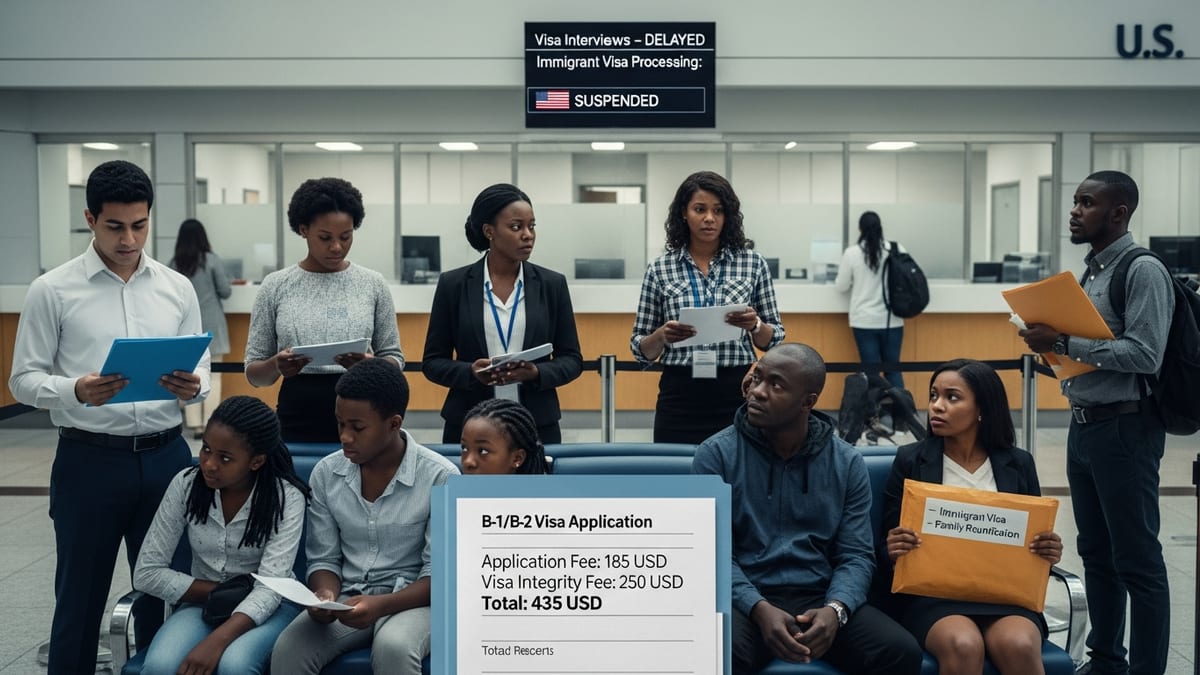
A New Phase in the Campaign Against Birth Tourism
Recent coverage of US immigration policy indicates that more than 6,000 visas have now been revoked after consular reviews identified links to suspected birth tourism networks. Reports describe the enforcement as part of a coordinated effort by the State Department’s Birth Tourism Prevention Task Force, which has been scrutinizing visa records and travel histories for patterns suggesting organized travel to give birth in the United States.
The campaign builds on a 2020 regulation that formally stated travel on a visitor visa with the primary purpose of obtaining US citizenship for a child is not a permissible reason for issuing a B1 or B2 visa. Publicly available regulatory documents describe birth tourism as a misuse of the visitor category and cite associated fraud, including misleading visa applications and commercial packages that coach applicants on how to hide pregnancy or the true purpose of travel.
Officials have not published a full country-by-country breakdown of the 6,000 cancellations, but reports indicate that both individual travelers and clients of organized agencies have been affected. Many cases involve people who already used their visas to travel, while others concern travelers whose visas were cancelled before they attempted to board flights to the United States.
The current revocations are unfolding alongside a wider tightening of screening for visitor visas, which the administration argues is intended to protect the integrity of American citizenship and ensure that consular resources are focused on applicants whose stated purposes align with US law.
Legal and Policy Foundations for the Crackdown
The latest enforcement actions are closely tied to Executive Order 14419, titled “Ending Birth Tourism,” signed on August 6, 2026. Public documents show that the order directs the State Department and Department of Homeland Security to prevent the issuance of visas and travel authorizations to individuals believed to be seeking entry primarily to give birth in the United States, and to revoke visas already granted if such use is identified.
The order followed earlier regulatory steps taken in 2020, when the federal government modified the rules governing B-category visitor visas. The regulatory change clarified that seeking to obtain citizenship for a child through birth in the United States is not considered a valid reason for pleasure travel. In the years since, consular guidance has increasingly emphasized the need to evaluate pregnancy, medical travel explanations and links to commercial visa-facilitation businesses when assessing certain applications.
Public fact sheets and press materials related to the new executive order frame birth tourism as both an immigration and law enforcement concern. Government documents argue that commercial operators can strain public resources, exploit loopholes in the system and, in some cases, be associated with financial fraud, including unpaid medical bills and improper access to public benefits.
Legal analysts note that birth tourism itself is not separately defined as a crime in federal statute, but the conduct around it can implicate existing laws on visa fraud, conspiracy and money laundering. The combination of regulatory changes and executive direction has effectively given consular posts wider latitude to deny or revoke visas where there is evidence that the primary purpose of travel is childbirth for citizenship benefits.
How the Revocations Work and Who Is Affected
According to publicly available descriptions of visa procedures, a US visa can be revoked at any time if new information suggests that the holder may be ineligible or used the document in a way that conflicts with immigration rules. In the birth tourism context, this can include travelers who declared tourism as their purpose but later appeared in commercial maternity packages, immigration case files or investigative reports about organized birth travel.
Reports on the new task force indicate that officials have been reviewing records that date back several years, comparing visa issuance data with hospital birth records, law enforcement cases against maternity tourism agencies and information shared by partner agencies. When consular officials identify a case they consider problematic, they can digitally cancel the visa, often notifying the airline or, in some instances, informing the holder via email or through an embassy communication.
Travelers may first learn of a revocation when attempting to check in for a flight and discovering that their visa is no longer valid in airline systems. Others receive written notice advising them that the visa has been cancelled and that they may be required to appear at a consulate if they wish to apply again. Revocation does not automatically lead to deportation for those already in the United States, but it can affect future applications and is taken into account if the person seeks another visa or a change of status.
The more than 6,000 visas linked publicly with birth tourism make up a small fraction of the tens of millions of active US visas worldwide, but the targeted nature of the campaign means the impact is concentrated among certain groups. These include clients of international maternity agencies, foreign nationals who traveled late in pregnancy and individuals whose applications showed inconsistencies between declared tourism and subsequent medical or immigration records.
Implications for Pregnant Travelers and Tour Operators
The heightened attention to birth tourism has immediate implications for pregnant travelers considering trips to the United States. Official guidance does not ban pregnant women from visiting, and medical travel can still be permissible when it is clearly documented and genuinely secondary to tourism or other lawful purposes. However, interviews reported in public coverage of the policy indicate that applicants who appear likely to give birth in the country are now subject to much more detailed questioning and may face refusals if officers believe childbirth is the main objective.
Travel and medical facilitation businesses operating cross-border maternity services face particular scrutiny. Government materials describing the enforcement effort point to commercial “packages” that promise US passports for newborns, provide scripts for consular interviews and assist with hiding pregnancy as priority targets for investigation. Some agencies advertise stays of several months in the United States to cover late pregnancy, birth and postnatal care, arrangements that are increasingly difficult to reconcile with short-term tourism justifications.
For airlines, hotels and destination cities that traditionally welcomed higher-spending medical travelers, the revocations add another layer of uncertainty. Industry observers note that visitors traveling for childbirth often book extended stays and premium medical services, but the risk of visa cancellation or denial may reduce demand for such trips, particularly from countries where US visitor visas are already hard to obtain.
Immigration lawyers and advocacy groups continue to debate how the crackdown will affect access to legitimate maternity care, medical emergencies during travel and broader questions about birthright citizenship. While publicly available government explanations portray the campaign as a way to protect the meaning of US citizenship and crack down on fraud, critics quoted in news coverage warn that the policies may create anxiety for pregnant visitors whose travel plans are unrelated to commercial birth tourism schemes.
What International Travelers Should Watch Next
Travelers planning visits to the United States in late pregnancy are being advised in public-facing guidance and media reports to expect more detailed questions about medical arrangements, proof of funds and the purpose of their trip. Consular officers are instructed to consider factors such as the timing of travel, the stated length of stay and whether the applicant has family or support networks in the United States when determining the credibility of their plans.
Prospective visitors who have used or considered commercial birth tourism services may face greater risk of visa denial or revocation as investigations into those networks continue. Public statements and fact sheets released about the task force suggest that enforcement will not be limited to individual travelers and may extend to doctors, accommodation providers and intermediaries who knowingly facilitate the schemes.
For now, there is no indication in official documents that the government intends to restrict birthright citizenship itself, which is grounded in the Fourteenth Amendment and remains the subject of separate legal and political debates. The current focus is on who may use temporary visas to enter the country in the first place and under what circumstances those visas can be denied or cancelled.
International travelers following these developments will be watching how many additional visa revocations are reported in the coming months, whether any successful legal challenges emerge and how the policy shapes consular practice across different regions. For the global travel industry, the escalation of enforcement against birth tourism is another reminder that US visa rules can shift quickly, with significant implications for how and when people choose to cross borders.