


More news on this day
Britain has tightened its travel warning for Saudi Arabia, highlighting missile strikes on airports, wider regional tensions and strict local laws that could have serious consequences for visiting UK nationals, including those travelling for business, tourism, Hajj or Umrah.
Get the latest news straight to your inbox!
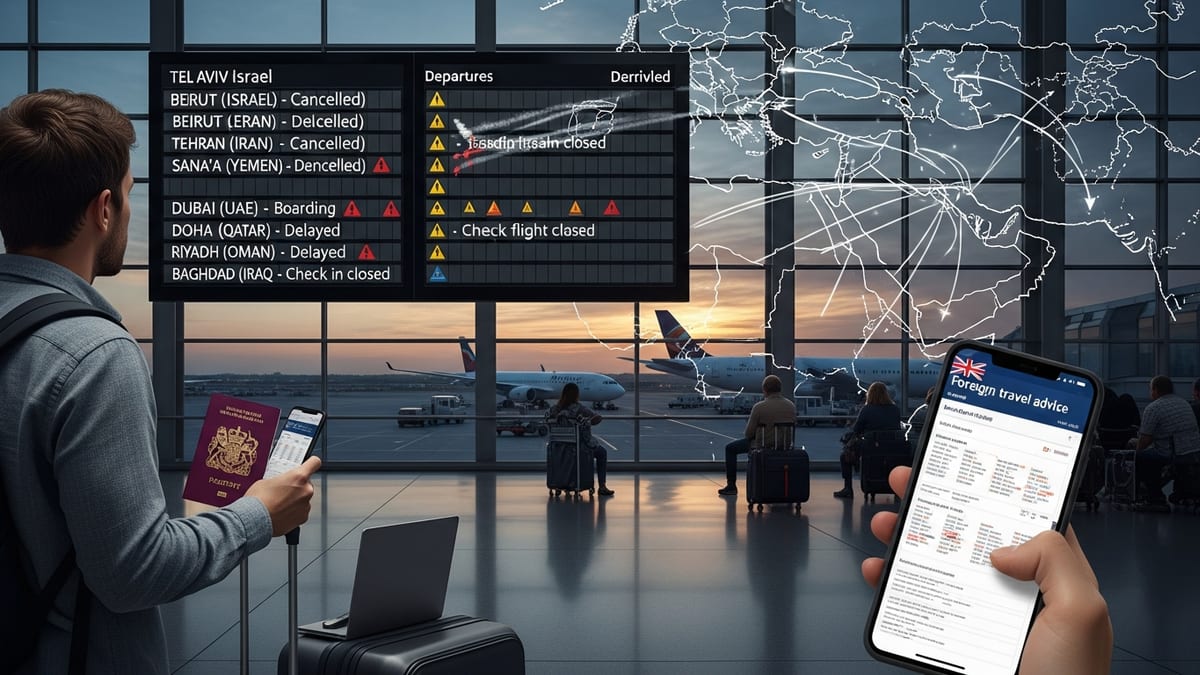
Heightened security risks and regional tensions
Updated Foreign, Commonwealth & Development Office (FCDO) advice now underlines what it describes as a heightened threat of attacks against airports and key infrastructure across Saudi Arabia. The change follows a series of missile and drone launches from Yemen targeting multiple locations in the kingdom, including major hubs such as Riyadh, Jeddah, Dammam and ports on the Red Sea.
Publicly available UK government information notes that King Khalid International Airport in Riyadh was struck by a missile on 10 October 2026, with further attacks considered very likely. The guidance warns that disruption and cancellations are expected at airports in affected areas and that the security situation can deteriorate with little notice, particularly during periods of regional escalation.
British nationals are being urged to closely monitor official travel advice before departure and while in the country. Reports indicate that other governments, including Canada and the United States, have also raised their own alerts for Saudi Arabia, reflecting concerns about the broader security environment and risks to civilian aviation and shipping in the region.
The strengthened UK notice places Saudi Arabia within a wider pattern of changing advisories for the Middle East in 2026, as missile activity, drone attacks and maritime incidents in the Red Sea and surrounding waters weigh on travel and insurance decisions.
Air travel disruption and alternative exit routes
The revised FCDO guidance places unusual emphasis on the reliability of air travel, advising British nationals already in Saudi Arabia to prepare for the possibility of sudden flight cancellations or airport closures. Travellers are encouraged to reconfirm bookings with airlines before setting out for airports and to keep contingency plans under review if security incidents or technical restrictions temporarily halt operations.
In a notable shift of tone, the official advice states that British nationals wishing to leave Saudi Arabia should consider travelling by land to a neighbouring country and flying from there if airport disruption becomes prolonged. That language is reflected in media coverage and travel-industry bulletins that describe widespread schedule changes in and out of the kingdom, particularly on routes serving Riyadh.
Travel risk consultancies and foreign ministries in several countries have echoed the concern, pointing to the potential for further attacks against aviation facilities, as well as energy and military infrastructure. For UK travellers, the practical impact is a higher chance of last-minute changes to itineraries, extended layovers or rerouting via regional hubs such as Doha or Dubai if direct services are curtailed.
For those planning imminent trips, particularly for time-sensitive purposes such as religious pilgrimages or major business events, the stronger wording in the UK advisory is likely to feed into airline policies, workplace travel sign-off processes and the willingness of insurers to cover non-essential journeys.
Strict local laws and risks linked to social media
Alongside the security warning, the UK has reiterated longstanding concerns about Saudi Arabia’s strict interpretation of public order and cybercrime laws. The official country advice stresses that behaviour considered acceptable in the UK, including online activity, can lead to arrest and long prison sentences in Saudi Arabia.
Human rights organisations have recently highlighted cases in which visitors holding foreign passports were detained in Saudi Arabia over social media posts, including content published before arrival. A joint statement in June 2026 by Amnesty International and ALQST drew attention to the risk that tourists and pilgrims could face prosecution for digital speech that is deemed critical of the authorities, religion or social norms.
Published reports on past cases involving British nationals, including a business analyst sentenced by a Saudi terrorism court in 2025 after being arrested at Riyadh airport, are cited by campaigners as evidence of the breadth of offences that can fall under counterterrorism or cybercrime provisions. The FCDO material advises visitors to avoid discussing sensitive political, religious or social topics in public or online and to be aware that messages, images and comments can be scrutinised.
For UK travellers accustomed to more permissive standards at home, the tougher travel warning effectively reinforces the message that local laws apply fully to foreign visitors and that ignorance of those rules offers no protection in the event of an investigation.
Implications for Hajj, Umrah and leisure travel
The strengthened UK advisory arrives as many British Muslims plan or book trips for Umrah over the coming months and look ahead to the next Hajj season, expected in May 2027 subject to moon sighting. Saudi Arabia has invested heavily in tourism and religious infrastructure in recent years, and demand from the UK market has remained strong, particularly on routes to Jeddah and Medina.
However, the combination of security warnings, higher perceived risk around airports and prominent human rights concerns is likely to influence how some pilgrims and leisure travellers approach bookings. Travel industry commentary already points to greater interest in flexible fares, refundable hotel rates and the possibility of routing through less exposed cities if direct connections to certain Saudi airports become unreliable.
The updated UK material does not prohibit travel for religious purposes and continues to outline practical information on visas, health measures and local regulations for Hajj and Umrah. But the elevated language on security and legal risks signals that individuals are expected to make careful, well-informed decisions about whether their journey is essential and how much risk they are prepared to accept.
Pilgrims and holidaymakers are also being encouraged in media reports to pay close attention to contract terms with tour operators and airlines, particularly regarding cancellations triggered by changes in FCDO advice. Some policies exclude cover for trips taken contrary to government recommendations, a detail that can become critical when advisories are toughened.
Visa facilitation amid a tougher warning
The updated UK travel warning comes at a time when Saudi Arabia is simultaneously seeking to make entry easier for British visitors. In June 2026, the Saudi Ministry of Foreign Affairs announced the launch of an electronic travel authorisation scheme for UK citizens, enabling multiple entries and stays of up to 180 days within a year under a simplified process.
This facility, along with broader e-visa and visa-on-arrival initiatives tied to Saudi tourism goals, reflects a strategy to attract more international visitors, including from key markets such as the United Kingdom. For many travellers, the streamlined procedures have reduced paperwork and lead times for trips focused on business meetings, cultural tourism or religious visits.
The tougher UK safety and security messaging therefore sits alongside a parallel story of growing connectivity and investment in visitor infrastructure across the kingdom. Analysts note that such mixed signals are not unusual in destinations where governments are promoting tourism while also navigating complex regional security dynamics and domestic legal frameworks.
For British nationals, the result is a more nuanced risk landscape: travel to Saudi Arabia remains possible and in many cases logistically easier than before, but it now takes place against a backdrop of sharper official warnings about potential threats and legal exposure. Travellers weighing a visit are being advised in public commentary to read the full FCDO guidance, monitor developments closely and ensure that both personal behaviour and practical arrangements reflect the stricter tone of the latest advice.