


More news on this day
Britons with trips booked to Spain in mid-November are being urged to prepare for significant disruption, after updated UK guidance highlighted a nationwide strike, rail suspensions and tighter checks that could affect journeys to and within the country.
Get the latest news straight to your inbox!
UK updates Spain travel advice as strike looms
Publicly available UK government travel advice for Spain, revised in recent days, draws attention to a 24 hour general strike called for Wednesday 11 November 2026. The action has been organised by Spain’s main trade union confederations and is expected to affect multiple sectors, including transport, public services and some tourism-related activities.
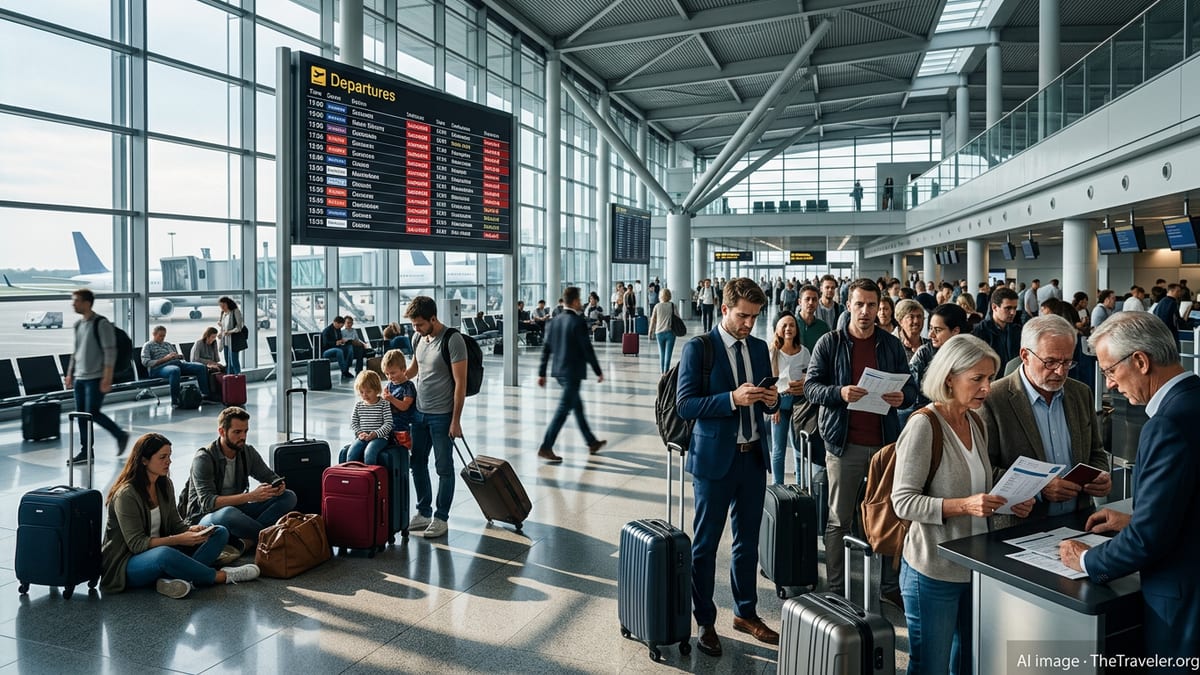
The updated guidance notes that the strike could cause delays and cancellations across air, rail and local public transport networks. Travellers heading to or transiting through Spanish airports on 11 November are advised to check the status of their flights before leaving for the airport and to allow additional time for check in and security procedures.
The warning sits within a broader UK advisory that already underscores existing security and safety considerations for Spain, including a long standing high threat level related to terrorism, as reflected in several countries’ travel advisories. Recent European-wide disruption linked to security alerts and hoax bomb threats has also contributed to a more cautious tone around cross border travel.
Reports in regional British media and travel industry publications indicate that the Foreign, Commonwealth and Development Office update was prompted by the scale of the planned Spanish strike and its potential to affect one of the UK’s busiest outbound markets on a midweek travel day.
Rail suspensions and local transport delays expected
Beyond the headline general strike, rail passengers are being warned about additional disruption unrelated to industrial action. Travellers have reported recent suspensions on some Renfe routes, including links from Madrid toward southern cities, following infrastructure incidents that prompted temporary closures and timetable changes. These rail issues have led some visitors to rework itineraries or switch to domestic flights or long distance buses.
On the day of the strike itself, rail services are expected to operate at reduced capacity, with minimum levels set by Spanish regulations for essential services. Industry coverage suggests that long distance and commuter trains could see cancellations or altered timetables, while metro and tram networks in major cities such as Madrid, Barcelona, Valencia and Seville may run fewer services, particularly in peak hours.
Urban transport authorities typically announce guaranteed minimum services shortly before industrial action, but precise timetables are often finalised close to the strike date. Travellers planning same day connections between airports, city centres and train stations are therefore being encouraged to leave generous buffers or to consider pre booking licensed taxis or private transfers where possible.
International rail links via France may also be indirectly affected. The UK advisory points out that passengers driving or taking trains through France on their way to Spain should check separate travel updates for French territory, as cross border services have been sensitive to both strikes and recent security alerts.
Air travel to Spain remains open but with risk of delays
Commercial flights between the UK and Spain are continuing to operate, but aviation and travel risk bulletins highlight a higher than normal chance of disruption around 11 November. Travel industry reporting notes that airport ground handling staff, air traffic controllers and some airline employees may participate in the general strike, potentially slowing baggage handling, aircraft turnaround and boarding processes even where flights are not cancelled outright.
Operational planning documents and traffic forecasts from European aviation bodies also point to a busy period for Spanish airspace in November, with capacity adjustments at key hubs such as Barcelona El Prat linked to runway works later in the month. While these changes are scheduled and not directly tied to the strike, they reduce flexibility for airlines trying to recover from any delays.
Weather is another factor being monitored. Meteorological assessments circulated among European air traffic managers describe unsettled conditions across the Iberian Peninsula in mid November, including strong winds and heavy rain associated with named storms moving from the Atlantic. Such conditions can compound strike related disruption by forcing temporary runway closures, diversions or extended spacing between arriving flights.
For now, publicly available flight tracking and booking data show that most international services between the UK and major Spanish destinations such as Malaga, Alicante, Barcelona, Madrid and the Canary Islands are still scheduled to operate. Travellers are being advised, however, to keep contact details updated with their airlines and to monitor notifications in the 24 hours before departure.
Tighter checks and broader European disruption context
The UK warning for travellers to Spain also references the possibility of tighter border and security checks in light of wider European developments. In recent weeks, Europe has experienced a wave of security alerts, including emailed bomb threats targeting schools, media organisations and transport hubs, as well as cyber incidents impacting infrastructure. Public information compiled by international organisations describes these as largely precautionary disruptions, but they have led to temporary evacuations and transport delays in several countries.
Spain and its neighbours have periodically reintroduced enhanced checks at internal Schengen borders in response to migration management and security concerns. Recent European Commission documentation lists short term controls at specific air and sea borders earlier in autumn 2026. While those particular measures have now expired, the pattern underlines that border arrangements within the Schengen area can change at short notice, especially during periods of heightened alert.
Security focused travel advisories from countries such as Ireland, Australia, Canada and the United States continue to classify Spain as a destination where visitors should exercise a normal level of caution while being aware of the elevated threat from terrorism. These advisories consistently recommend staying alert in crowded public spaces, transport hubs and tourist sites, and following any instructions issued locally during security operations or demonstrations.
For Britons, the practical effect of the current environment is that journeys involving multiple modes of transport or cross border legs may face occasional spot checks or short delays. The UK alert does not advise against travel to Spain, but instead frames the situation as one where additional planning and situational awareness are advisable over the coming days.
What UK travellers should do before and during their trip
Travel industry guidance encourages UK visitors heading to Spain in mid November to take a few practical steps before departure. These include confirming flight and accommodation bookings directly with providers, checking the latest Spain section of the official UK foreign travel advice, and reviewing airline or tour operator policies on rebooking or refunds in the event of strike related disruption.
Travellers with rail components, such as high speed links between Madrid and Andalusian cities or regional connections serving coastal resorts, are advised to verify departure times with Renfe or relevant regional operators close to their travel date. Those holding flexible tickets may wish to adjust journeys to avoid 11 November where possible, or to schedule longer connection windows on that day.
Once in Spain, visitors are being encouraged by publicly available advisories to stay informed via local news and official communication channels, particularly in major cities where demonstrations linked to the general strike may take place. Although large gatherings are typically peaceful, they can lead to temporary diversions, blocked streets and intermittent disruption to public transport around protest locations.
Standard precautions recommended across multiple national travel advisories remain relevant. These include carrying identification, keeping valuables secure in busy tourist areas, and having a backup plan if a flight, train or bus is delayed or cancelled. For those who have purchased travel insurance, policy documents should be checked to understand the level of cover offered for strike or weather related interruptions, as terms can vary between providers.