


More news on this day
British travellers planning holidays and business trips to Spain in mid November are being warned to expect disruption, after updated UK guidance highlighted the impact of a nationwide general strike and wider transport problems on journeys by air, rail and road.
Get the latest news straight to your inbox!
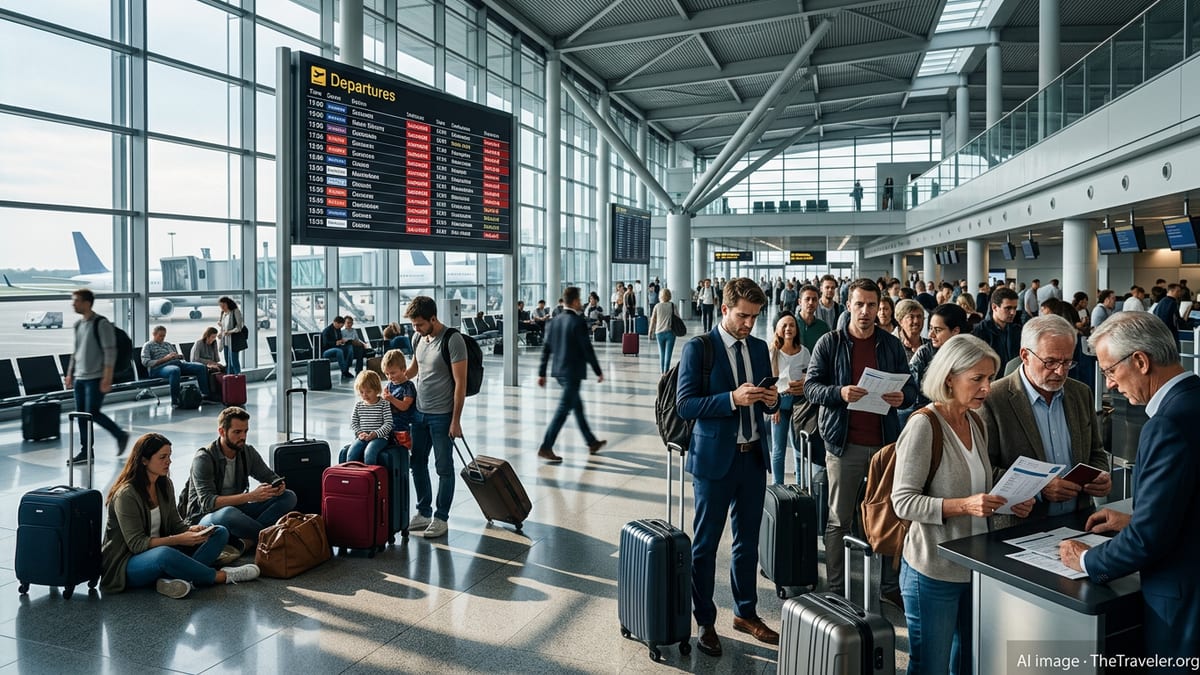
General strike set for 11 November across Spain
Publicly available UK government travel advice for Spain, updated on 10 November 2026, draws attention to a national strike scheduled for Wednesday 11 November. The Foreign, Commonwealth and Development Office (FCDO) notes that the action is expected to affect transport systems and urges travellers to check with their travel providers for the latest information before setting out.
Security analyses and risk bulletins describe the 24 hour general strike as being called by Spain’s two largest trade union confederations, UGT and CCOO, in connection with housing, wage and cost of living concerns. These assessments indicate that major disruption is likely in large cities such as Madrid and Barcelona, with marches and demonstrations planned in central districts and around key transport hubs.
Independent tracking of industrial action in Spain shows that the 11 November strike has been registered as a nationwide stoppage affecting multiple sectors. While participation levels can vary, previous national strikes have led to reduced services on public transport networks, slower operations at airports and delays on key intercity routes.
Other foreign travel advisories, including those issued by Ireland and Australia, have also updated their Spain pages in recent days to mention the existence of the strike and the possibility of protests and transport disruption, underscoring that the issue is not limited to UK concerns alone.
Air travel: airport staffing gaps and knock on delays
The FCDO’s Spain page does not list specific flight cancellations, but publicly available reporting from Spanish airports and local media points to potential disruption for air travellers on and around 11 November. Coverage focused on Palma de Mallorca and other tourist gateways notes that some airport employees are expected to take part in the strike, which could affect check in, security queues and baggage handling even where flights are scheduled to operate.
Monitoring by aviation and risk consultancies suggests that a proportion of services on domestic routes are vulnerable, with particular pressure on connections linking regional cities to Madrid and Barcelona. Social media posts and traveller reports from recent days mention cancellations of some Iberia operated internal flights for 11 November, while most international departures have so far remained on schedules published by airlines.
Airport specific advice published for Palma de Mallorca highlights that in previous Spanish general strikes the authorities have ordered minimum service levels and, in some cases, called on military support to keep air traffic moving. This has helped to limit the proportion of flights cancelled outright, but travellers have still faced long delays and disruption within terminals when ground staff numbers were reduced.
Industry briefings remind passengers that eligibility for compensation in the event of strike related delays or cancellations depends on the cause. Consumer bodies point out that where disruption stems from industrial action by staff directly employed by an airline, standard European air passenger rights may apply. When delays arise from third party strikes, such as airport or air traffic staff, operators often classify them as extraordinary circumstances, which can affect entitlement to fixed compensation even when rebooking or refunds are offered.
Rail and local transport pressures add to uncertainty
The UK alert comes against a backdrop of broader transport issues inside Spain. The FCDO’s latest update notes that a collision involving high speed AVE services near Toledo on 28 October has already caused ongoing disruption to some long distance rail routes. Spain’s state operator Renfe has published timetables with reduced frequencies and, in some cases, replacement services while repairs and investigations continue.
Online strike trackers and local reporting indicate that rail operations have also been affected by separate industrial action around the beginning of November, including a 24 hour stoppage by train drivers on 10 November and additional strikes that were later suspended following negotiations. Although several of these dates have now passed, they have contributed to a period of instability on the rail network that is feeding into the wider disruption expected on 11 November.
Urban and regional transport in cities such as Barcelona, Zaragoza and Seville is also expected to be influenced by the general strike. Information shared with residents ahead of 11 November advises that trams, buses and metro lines may run on reduced timetables, with specific time bands identified for guaranteed minimum services during the morning and evening peaks and less frequent services or gaps in between.
Travellers relying on rail and local public transport to reach airports, ferry ports or tourist areas may therefore face combined impacts from national and local level action. Advisory services recommend allowing extra time for transfers, checking live updates from operators and, where possible, having alternative options such as licensed taxis or airport coaches identified in advance.
Advice for UK holidaymakers and business travellers
For Britons heading to Spain this week, publicly available guidance consistently emphasises preparation rather than cancellation. The UK Spain travel advice recommends that travellers monitor information from their airline, tour operator or rail company closely in the days before departure and on the day of travel itself. It also suggests that those transiting France by road or rail should check separate advice for that country, given recent protest activity and infrastructure pressures across parts of Europe.
Insurance experts quoted in open source travel coverage underline the importance of checking policy wording around strikes and industrial action. Some comprehensive travel insurance products cover additional accommodation and subsistence costs when travellers are unexpectedly stranded due to strikes, while others exclude disruption arising from announced industrial action. Travellers who booked using credit cards or package holiday protections may have further avenues for refunds or rebooking, depending on the circumstances.
Risk assessments note that while the nationwide strike is expected to be highly disruptive to transport and some public services, it is not being described in official advisories as linked to a specific security threat targeting foreign visitors. Standard safety advice still applies, including avoiding large crowds where possible, not attempting to cross picket lines and allowing demonstrators and police space to operate in central areas where marches are taking place.
Those already in Spain on 11 November are being encouraged by open source travel forums and advisory bulletins to plan their day around reduced mobility, particularly in and around major cities. Suggestions include staying within walking distance of accommodation, booking any essential intercity travel outside core strike hours where alternatives exist, and keeping electronic tickets, booking references and local contact numbers easily accessible in case of last minute changes.
What travellers can realistically expect this week
With the strike now imminent, the picture for the remainder of the week remains fluid. Real time alert platforms tracking Spain list the 11 November general strike as a key risk event, with related disruption possible on surrounding days as services restart and staff return to normal shifts. Some backlogs at airports and on rail lines are considered likely, particularly on popular leisure routes serving coastal resorts and island destinations.
Observers of European transport trends note that the general strike is unfolding against a wider backdrop of infrastructure pressure, including recent waves of hoax bomb threats and cyber incidents affecting parts of the continent’s aviation and rail systems. Although there is no indication in current UK travel advice that Spain faces a targeted threat beyond these general disruptions, the combination of industrial action and heightened alertness is expected to keep border and security procedures under strain.
For now, British travellers are being advised through publicly available channels to stay informed and flexible rather than abandon plans outright. Those with fixed time critical commitments such as cruises, major events or tightly timed business meetings may wish to discuss contingency arrangements with providers, including the possibility of arriving earlier than originally planned or routing via alternative airports or cities where connections are available.
As the situation continues to develop, further updates to the official UK Spain travel advice remain possible. Travellers preparing to depart are encouraged in open source guidance to review that page regularly in the run up to and during their trip, alongside operator specific alerts, so that any last minute timetable changes, cancellations or revised procedures can be factored into their journey plans.