


More news on this day
British travellers heading to Spain in mid November are being urged to brace for disruption after the UK government updated its travel advice to highlight the impact of a nationwide strike and existing rail problems on journeys by air, rail and road.
Get the latest news straight to your inbox!
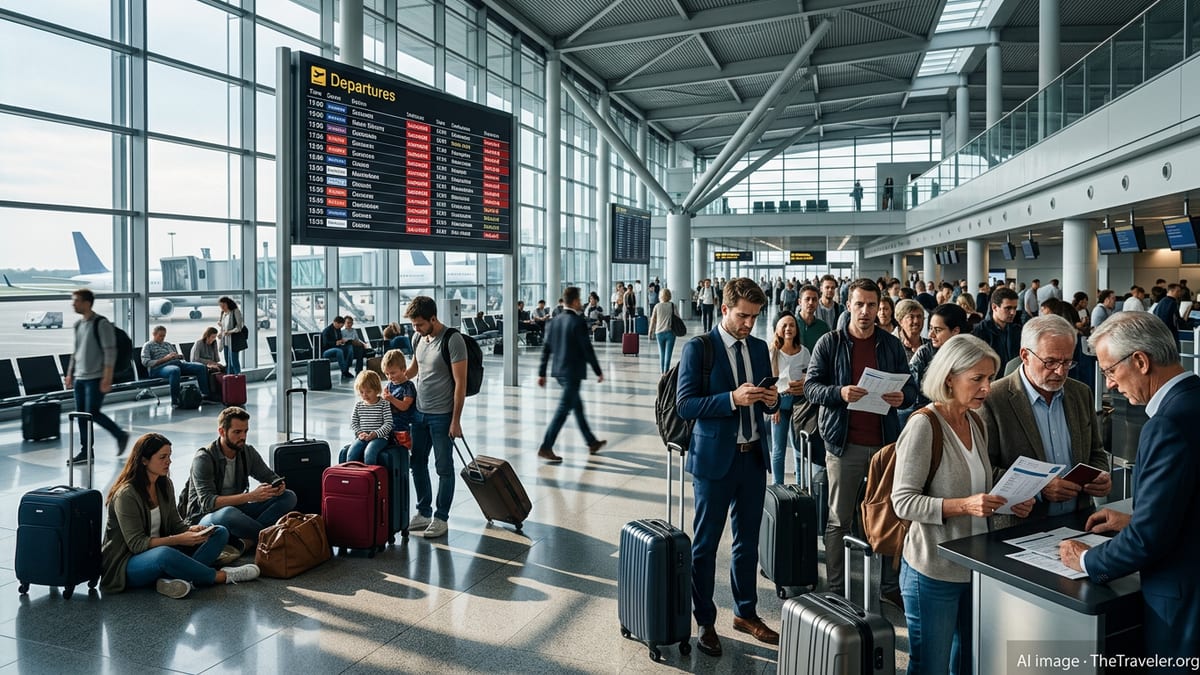
Updated UK advice highlights 11 November strike
Publicly available UK government travel advice for Spain was revised on 10 November 2026 to include new information about a national strike planned for Wednesday 11 November. The update, visible in the Warnings and insurance section of the guidance, states that the walkout is expected to affect transport systems across Spain and advises passengers to check with their travel provider for the latest information before setting out.
The nationwide action has been called as a 24 hour general strike, with workers from multiple sectors expected to participate. Irish travel advice has issued a parallel alert describing a general strike on 11 November involving employees across hospitality and transportation, and warning that public transport will be operating minimum services with delays likely.
The UK alert forms part of the broader advisory framework that already covers issues such as terrorism risk, local demonstrations and seasonal weather. In this case, the emphasis is on short term operational disruption rather than security, though the strike coincides with a period of unsettled weather and heavier than usual passenger traffic around Europe.
While the core strike action is focused on 11 November, some industry monitoring services and local reports indicate that related stoppages and rescheduling may extend into the days immediately before and after, as operators adjust rosters and clear backlogs.
Airports and flights: what UK travellers can expect
Information collated from aviation industry coverage indicates that Spanish airports are preparing for schedule changes on and around 11 November, particularly at major hubs such as Madrid Barajas and Barcelona El Prat. Airlines are reviewing flight programmes, with the potential for cancellations or retimed services as staffing levels and ground handling capacity fluctuate during the strike period.
General strikes in Spain typically oblige operators to maintain a limited number of “minimum services,” especially on routes considered essential, but the proportion of flights that will operate normally is not yet clear. Traveller discussions and ticketing updates in the days leading up to the walkout suggest that some carriers are offering fee free rebooking for journeys falling directly on 11 November, while keeping later decisions under review as the situation develops.
The UK advisory does not list specific flight numbers or airports affected. Instead, it directs passengers to monitor airline notifications and airport departure boards closely, and to allow extra time for check in and security in case of longer queues. Given recent Europe wide disruptions involving bomb threat hoaxes and weather related delays, aviation bodies are already operating with heightened contingency planning, which could help limit knock on effects once the strike concludes.
Travellers with tight onward connections, separate tickets or same day cruise departures from Spanish ports are being encouraged by consumer advocates to recheck timings and consider building in additional buffers where possible, particularly if journeys involve more than one carrier.
Rail disruption compounded by earlier Toledo collision
The UK’s Spain advice also draws attention to continuing disruption on parts of the rail network following a high speed train collision in the province of Toledo on 28 October. The incident, which occurred between the towns of Mora and Orgaz on a route linking Seville and Madrid, has led to significant and ongoing changes to rail services in the affected corridor.
Publicly available information shows that Spanish operator Renfe has set up a dedicated phone line for information on affected passengers and services, and that modifications to timetables remain in place while investigations and infrastructure checks continue. The UK guidance notes that significant disruption to rail services is expected and advises travellers to confirm schedules before heading to stations.
The overlap between the residual impact of the Toledo collision and the nationwide strike means that rail users could face a combination of reduced frequencies, diversions and crowding on alternative routes. Independent travel trackers and local media have highlighted particular pressure on services into and out of Madrid and other major cities, as commuters and visitors compete for the limited trains that are able to operate.
Passengers relying on rail to reach airports such as Madrid Barajas or Barcelona El Prat may be especially exposed to delays. Where practical, tourism bodies recommend having a back up plan involving airport buses, licensed taxis or pre booked transfer services, and avoiding last train options on the day of the strike.
Knock on effects for urban transport and cross border trips
Beyond long distance rail and air travel, the general strike is expected to have a noticeable effect on city transport systems. Local operator announcements in major destinations such as Barcelona and Madrid point to altered frequencies on metro, tram and bus lines at various times of day, with windows of higher disruption anticipated during morning and evening peaks.
Visitors staying in central districts may find that many services still run, but at reduced intervals and with heavier crowding. For those carrying luggage or connecting to tour departures, the advice from municipal information channels is to factor in extra journey time and to be prepared to walk short distances where that is safe and practical.
For travellers reaching Spain via France or other neighbouring countries, the UK travel advice explicitly recommends checking the separate guidance for those states before starting the journey. International rail links across the French border have been affected in recent weeks by a combination of industrial action and security related disruptions, while airlines across Europe have experienced sporadic delays linked to infrastructure and weather events.
Driving offers more flexibility for some visitors, but reports from recent strike days in Spain suggest that congestion can build around major cities and port approaches as commuters switch from public transport to private cars. Rental car travellers are being reminded to understand local parking rules and low emission zones, which remain in force regardless of industrial action.
Practical steps for travellers already booked to Spain
Travel industry analysts emphasise that the current UK alert is not advising against travel to Spain. Instead, it underlines the need for more careful planning and real time monitoring for trips scheduled around the strike period and on routes affected by rail disruption.
Passengers with bookings on 11 November are encouraged to reconfirm their itineraries directly with airlines, train companies, ferry operators or coach firms, using official apps or customer service channels rather than relying solely on third party search engines. Where carriers have introduced flexible change policies, rebooking to dates outside the main strike window may help reduce stress for those with non essential journeys.
Comprehensive travel insurance that includes cover for missed departures and travel disruption can provide an additional layer of protection, although policy wording varies on strikes and industrial action. Insurance specialists advise checking exclusions and notification requirements carefully, particularly when an event has been announced in advance and widely reported by government travel advisories.
For travellers already in Spain, keeping up to date through local news outlets, public transport operator notices and official government channels can help in making day to day decisions about when and how to move between cities or to and from airports. With the general strike limited in duration, most tourism agencies expect core attractions, hotels and restaurants to remain open, even if operating hours or staffing levels are adjusted temporarily.