


More news on this day
British holidaymakers in the Philippines are being urged to review their travel plans after a powerful magnitude 7.8 earthquake struck off the southern island of Mindanao, killing dozens of people, damaging coastal resorts and triggering tsunami alerts across the region.
Get the latest news straight to your inbox!
Deadly Quake Strikes Off Mindanao, Shaking Popular Tourist Areas
Seismological data show that the magnitude 7.8 offshore earthquake hit on Monday 8 June near the coast of Sarangani and General Santos in southern Mindanao at a shallow depth, making the shaking particularly destructive in nearby cities and towns. Published coverage from regional and international outlets indicates that at least 35 people have been killed and many more injured, with several buildings partially or totally collapsed in General Santos and surrounding communities.
Images circulating in news reports show buckled roads, pancaked concrete structures and damaged port facilities in parts of Soccsksargen, a region that serves as a gateway to smaller island destinations in the south. The Philippine Institute of Volcanology and Seismology initially recorded the event as a major offshore quake and quickly assessed it as the strongest to hit the country in decades.
The quake was felt across a wide area of Mindanao and as far as parts of the central Philippines, according to eyewitness accounts compiled by local media. Power cuts, disrupted mobile networks and localized fires have been reported, complicating early rescue and damage assessment efforts in some districts.
Travel industry updates suggest that several coastal resorts and dive operators in southern Mindanao have temporarily suspended operations while they assess structural damage and inspect underwater sites for landslides or reef instability.
Tsunami Alerts and Regional Impact Across Southeast Asia
The offshore location and strength of the quake prompted immediate tsunami alerts for parts of the southern Philippines and neighboring countries. The Philippine seismology agency issued warnings for coastal communities around the Celebes Sea and Sarangani Bay, advising residents to move inland and to higher ground amid concerns of potentially dangerous waves.
According to publicly available information from regional monitoring centers, a series of modest tsunami waves, around one metre in height in some locations, reached parts of the southern Philippine coastline shortly after the quake. Local broadcasters reported inundated waterfronts, damaged fishing boats and debris scattered along beaches close to the epicentre.
Tsunami advisories were also issued for sections of Indonesia, Palau and southern Japan before being downgraded once sea-level gauges indicated no large-scale destructive tsunami. Subsequent bulletins from tsunami warning centres show that the alerts for the wider Pacific were lifted after several hours, easing concerns for long-haul travellers and cruise itineraries further afield.
Despite the lifting of regional warnings, coastal communities near the epicentre continue to face hazards from strong currents, floating debris and the risk of aftershocks. Travellers planning island-hopping, ferry journeys or coastal excursions in affected areas are being advised by operators to check schedules closely, as some services remain disrupted.
FCDO Issues Urgent Guidance for British Nationals
In response to the disaster, the UK Foreign, Commonwealth and Development Office has updated its travel advice for the Philippines, highlighting the heightened risk in parts of Mindanao following the earthquake and tsunami alerts. The latest FCDO notices emphasise that the Philippines sits on the Pacific “Ring of Fire” and experiences frequent seismic activity, and they urge British nationals to follow local safety instructions and stay informed through official channels and reputable news outlets.
Current guidance for British visitors stresses the importance of avoiding coastal areas under evacuation orders, staying away from damaged buildings and infrastructure, and preparing for significant aftershocks. The advice notes that further tremors are likely in the days and weeks ahead and could lead to additional landslides, structural failures or localized flooding.
Holidaymakers already in the Philippines are encouraged to keep family and friends in the UK updated on their whereabouts, carry identification and travel documents at all times, and ensure that their mobile phones are charged when power supplies are available. Travel insurance providers are also urging customers to review policy terms relating to natural disasters, trip curtailment and emergency medical support.
Prospective travellers are being asked to monitor FCDO advisories closely before departure, particularly if they plan to visit Mindanao or connect through regional airports in the south that may be affected by runway inspections, terminal damage or staff shortages.
Flights, Ferries and Holiday Plans Thrown Into Uncertainty
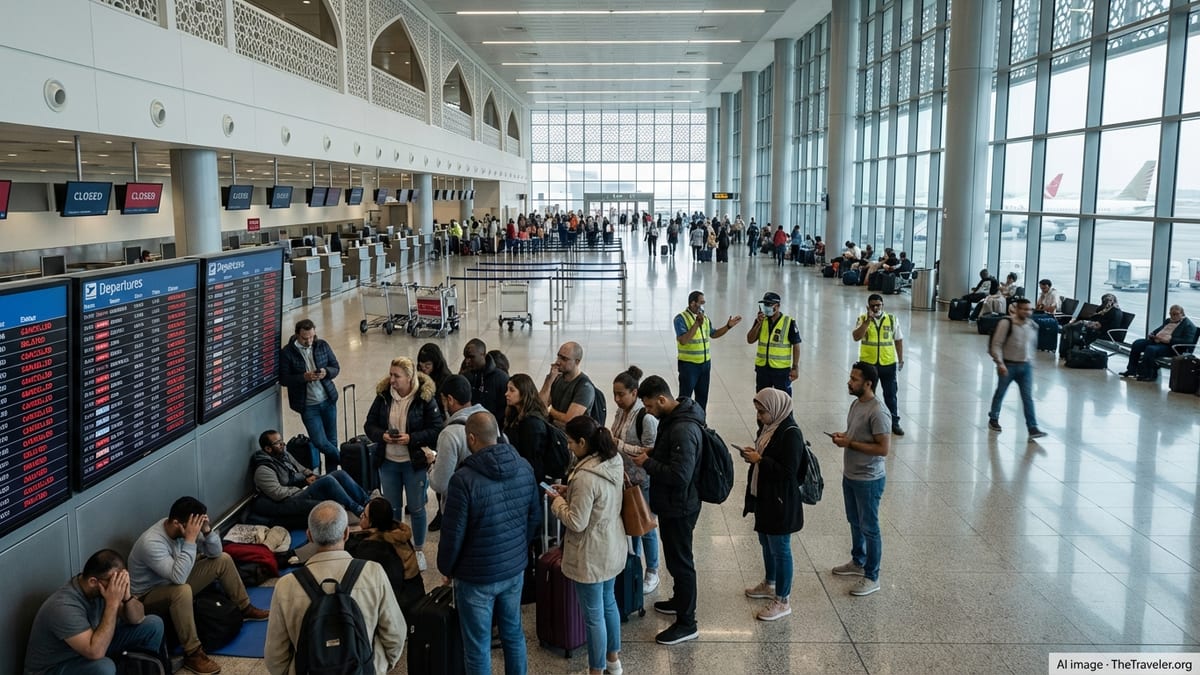
Reports from airlines and airports in the Philippines indicate that flight operations in some parts of the country have experienced delays and temporary suspensions as authorities inspect runways, control towers and terminal buildings for damage. While major international gateways such as Manila and Cebu remain open, connections to General Santos and other southern hubs have been disrupted, affecting internal itineraries for overseas tourists.
Domestic ferry companies and small inter-island boat operators serving Mindanao and nearby islands have also altered schedules or cancelled sailings due to port damage, debris in shipping lanes and ongoing sea condition assessments. British travellers heading to diving hotspots or remote beach resorts accessible only by sea are likely to encounter route changes, limited capacity or extended journey times.
Hotel groups and independent resorts in southern Mindanao are beginning to share initial updates on damage assessments through statements and social media posts, with some properties reporting cracked walls, flooded ground floors and broken utilities. Travel agents in the UK are advising customers with imminent departures to check directly with accommodation providers and tour operators to confirm whether properties are accepting guests or offering refunds and rebooking options.
For tourists already in the region, ground transportation is emerging as another challenge. Road closures linked to landslides, bridge inspections and fallen debris are being reported in mountainous and coastal stretches, leading to longer transfers between airports, bus terminals and beach destinations.
Safety Tips for British Holidaymakers in a Seismically Active Destination
Emergency management guidance produced by UK and international agencies highlights several practical steps travellers can take in the aftermath of a major quake. Visitors are advised to familiarize themselves with emergency exits and assembly points in hotels, malls and transport hubs, and to keep a small grab-bag ready with water, basic snacks, essential medicines, a torch and photocopies of key documents.
In the event of strong shaking, standard safety advice recommends moving away from windows and unsecured furniture, taking cover under a sturdy table if indoors, or moving to an open area clear of buildings, trees and power lines if already outside. After the initial shock, holidaymakers are encouraged to avoid elevators, refrain from entering visibly damaged structures and be prepared for aftershocks, which can be strong enough to cause additional damage.
For those staying near the coast, tsunami guidance stresses the need to move quickly to higher ground if strong or prolonged shaking is felt, or if an official tsunami alert is issued for the area. Travellers should not return to low-lying shorelines until emergency services or local disaster offices announce that it is safe to do so, as multiple waves can arrive over an extended period.
British tourists are also encouraged to keep copies of the FCDO’s contact details and to register up-to-date contact information with their tour operator or accommodation provider. While the vast majority of trips to the Philippines are completed without incident, the latest earthquake is a reminder that those visiting a seismically active archipelago may need to adapt their plans quickly and stay alert to changing local conditions.