


More news on this day
Riyadh Air is preparing to add Sydney and Melbourne to its planned global network, positioning the Saudi startup carrier to tap growing demand between the Gulf and Australia’s two largest cities.
Get the latest news straight to your inbox!
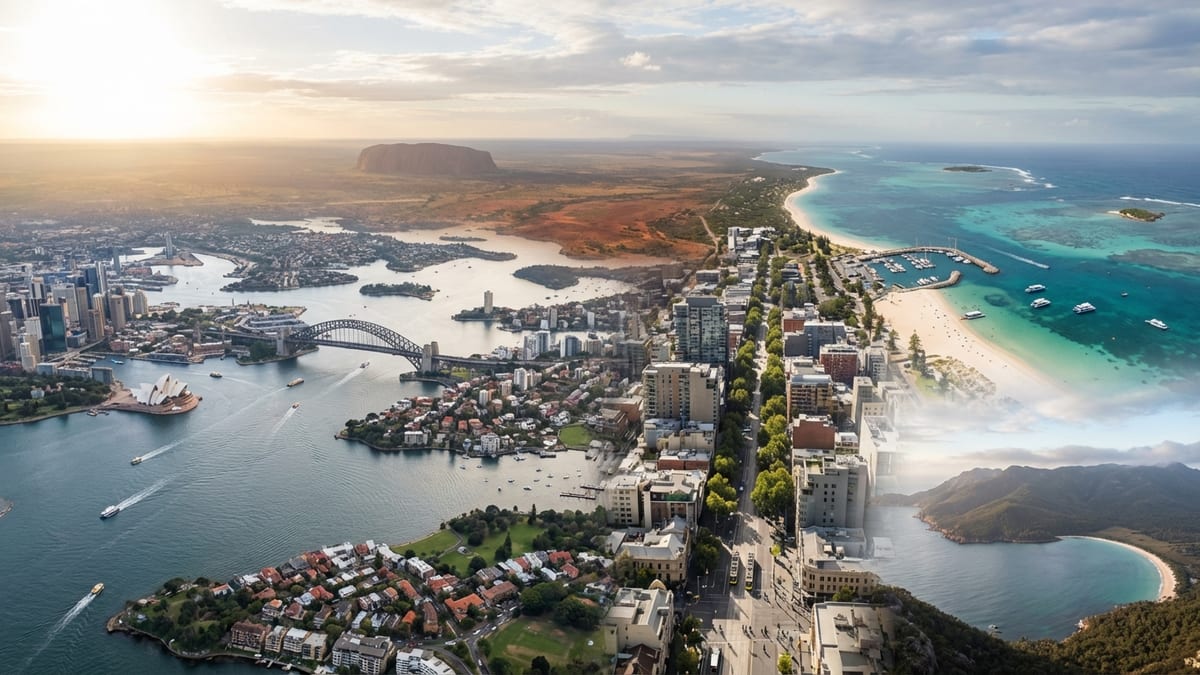
New Saudi carrier targets Australia in growth strategy
Publicly available information on network plans indicates that Riyadh Air intends to serve Sydney and Melbourne as part of an expansion designed to reach more than 100 destinations across six continents from its hub at King Khalid International Airport in Riyadh. The airline, backed by Saudi Arabia’s Public Investment Fund, is being developed as a full service carrier aimed at both business and leisure traffic.
Riyadh Air has presented Australia as a key long haul objective in investor and industry briefings that outline future destinations connecting the Saudi capital with major business and tourism centers. Although detailed schedules for Sydney and Melbourne have not yet been published on the airline’s own route map, references to the two cities appear in recent coverage of the company’s network ambitions and long term fleet plans.
The proposed services would restore a nonstop link between Riyadh and Australia’s east coast, complementing one stop travel options currently offered by rival Gulf and Asian carriers. Travel search platforms show that journeys between Riyadh and Sydney or Melbourne today typically involve at least one connection through hubs such as Doha, Dubai, Abu Dhabi or Singapore.
Riyadh Air is positioning itself to compete directly in this segment by using new generation widebody aircraft capable of flying the 12,000 kilometre sector in a single hop. The carrier has already announced large orders for long haul jets, signalling that ultra long haul routes such as Riyadh to Sydney and Melbourne are central to its business model.
What Riyadh to Sydney and Melbourne services could look like
Industry flight data for existing one stop itineraries between Riyadh and Sydney shows typical total travel times of 20 to 24 hours, depending on connection points and layovers. A nonstop Riyadh to Sydney flight is estimated to take around 14 and a half hours, while Riyadh to Melbourne is slightly longer. Historical schedules show that Saudi Arabia’s flag carrier previously operated nonstop service between Riyadh and Sydney, with the route discontinued several years ago. New services by Riyadh Air would therefore represent a fresh entry rather than a simple restoration of earlier flights.
Given the length of the route and the carrier’s stated focus on premium service, aviation analysts expect a three class layout on Riyadh Air’s future Australia flights, likely including business, premium economy and economy cabins. The airline has promoted plans for high end in flight amenities and advanced digital services, suggesting that long haul routes to Australia would be used to showcase its product.
Operationally, nonstop sectors to Sydney and Melbourne from Riyadh would require careful scheduling to align with banked connections across the Riyadh hub. Timed correctly, arriving passengers from Australia could connect onward to Europe, the Middle East, Africa and parts of Asia, using Riyadh as a geographic bridge between hemispheres. In the opposite direction, overnight departures from Riyadh would allow early morning arrivals into Australia’s east coast, matching existing patterns used by other long haul carriers.
The choice of Sydney and Melbourne as initial Australian gateways fits with broader regional trends. Both cities already host intensive competition among Gulf, Asian and local airlines, but continue to see rising volumes of international traffic, including religious tourism, student travel and business links with the Middle East.
Competitive and tourism implications for Australia
Potential entry by Riyadh Air into the Australia market would add another long haul competitor alongside Qantas, Emirates, Qatar Airways, Etihad Airways and Singapore Airlines, all of which already carry passengers between Australian cities and the Middle East or connect onward to Europe and Africa. Travel industry observers note that additional capacity from Riyadh could put downward pressure on fares during off peak periods while providing more choice for passengers seeking alternative routings and schedules.
From a tourism perspective, direct services between Riyadh and Sydney or Melbourne could encourage more visitors from Saudi Arabia and neighbouring Gulf states to consider Australia for leisure travel. At the same time, easier access via a new Saudi hub could benefit Australian travellers heading to destinations in the Middle East, North Africa and parts of Asia that are currently served more heavily via Doha, Dubai or Abu Dhabi.
The proposed routes may also support growing economic ties. Australia and Saudi Arabia have been expanding cooperation in sectors such as mining, renewable energy and education, and more direct air links are often seen as an enabler of trade and investment. Business travellers and government delegations would gain another option for reaching Riyadh and connecting beyond to other cities in the kingdom.
For Australian airports, the arrival of a new long haul airline would be significant. Sydney and Melbourne have each sought to deepen their long haul networks, and the addition of Riyadh Air would increase the presence of Gulf based carriers at both gateways. Slot availability, terminal space and lounge arrangements would need to be finalised closer to the start of operations.
Timing, fleet and regulatory steps still to be clarified
While Riyadh Air has repeatedly highlighted Sydney and Melbourne in outlines of its future network, specific launch dates, frequencies and aircraft assignments for the Australian routes have not yet appeared in public timetable data. Aviation sources following the startup’s progress expect the airline to phase in long haul destinations gradually as additional aircraft are delivered and operational approvals are secured in key markets.
Regulatory processes will play a central role in shaping the final schedule. Any new services linking Saudi Arabia and Australia would require traffic rights under the bilateral air services framework, along with safety and operational clearances from both national aviation authorities. Public filings related to traffic rights and scheduling have not yet provided a definitive start date for Riyadh Air’s proposed Australian operations.
The airline’s ability to secure and deploy sufficient long haul aircraft will also influence when Sydney and Melbourne can be added. Riyadh Air has placed substantial orders for new twin engine widebodies designed for fuel efficient long haul flying, but delivery timetables across the industry remain tight, with many carriers competing for capacity from the same manufacturers.
Until formal schedules are published, travel agents and passengers tracking developments will be watching for new entries on airline route maps and booking systems that confirm the timing and structure of the Riyadh to Sydney and Melbourne links. For now, the two Australian cities remain prominent components of Riyadh Air’s publicly discussed global ambitions rather than confirmed start of service dates.