


More news on this day
The United Kingdom is maintaining an elevated warning for travelers to Italy as weeks of protests over living costs and government policy have, in some cities, tipped into violent clashes, riots and episodes of looting, according to updated public travel advisories and recent media coverage.
Get the latest news straight to your inbox!
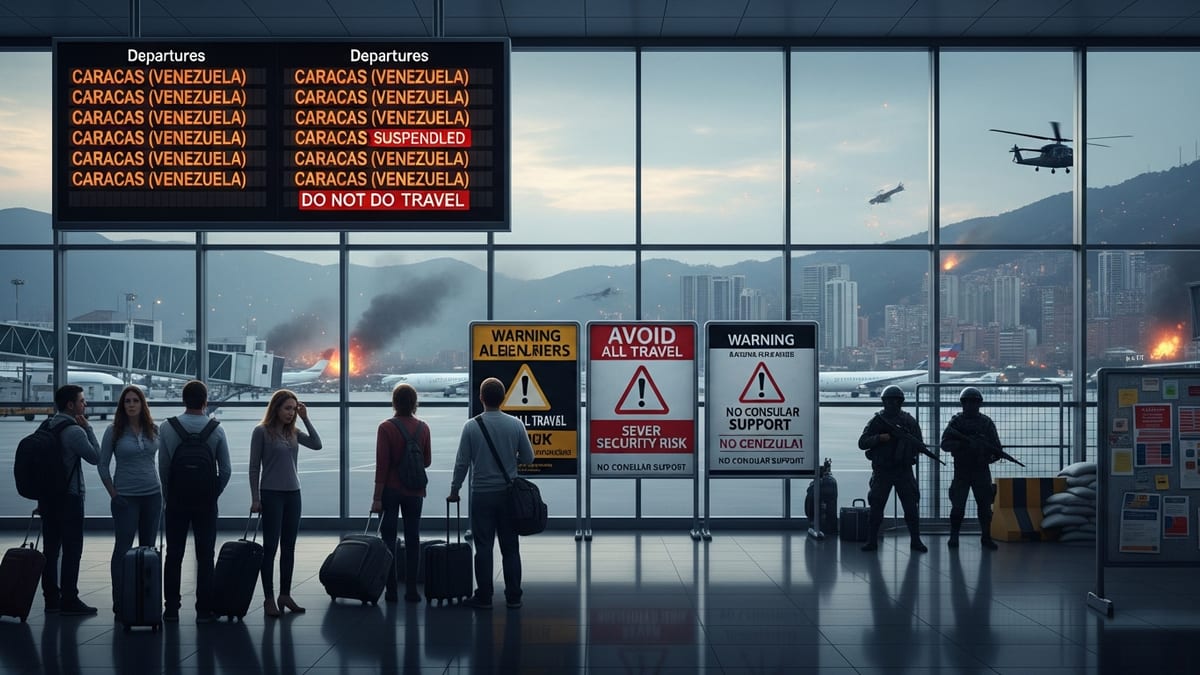
Updated UK travel advice highlights risk of violent unrest
Recent changes to the UK government’s online travel advice for Italy underline the risk that otherwise peaceful protests may escalate into violent disorder. The Foreign, Commonwealth and Development Office (FCDO) now explicitly warns of “violent riots and looting” in connection with demonstrations that have swept parts of the country since mid-October, according to coverage in British media citing the latest wording.
The core FCDO page for Italy continues to describe the country as a popular destination where most visits are trouble free, but the safety and security section draws attention to recent unrest in a number of northern cities. The advisory notes that demonstrations can occur with little warning and may lead to clashes, vandalism and damage to businesses in affected districts.
Separate pages within the UK government’s Italy travel advice, including recent updates on safety and security, urge visitors to stay away from protests and large gatherings and to follow local announcements. The travel advice is intended to inform individual decisions rather than to prohibit travel, and it currently stops short of advising against tourism or nonessential trips to Italy.
Publicly available information also shows that similar cautions about protests and potential violence appear in advice from other governments, including Australia and Canada, which both flag the possibility of sudden deterioration in security conditions around demonstrations in Italian cities.
Riots and looting follow cost-of-living protests
Reports from Italian and international outlets describe the current unrest as an outgrowth of mounting frustration over the cost of living, wage pressures and wider political grievances. A wave of protests that began around 16 October has included large marches, roadblocks and strike actions in cities such as Milan, Turin, Bologna, Rome and Naples, according to chronologies of the 2026 Italian unrest.
In Milan and other northern centers, some of these gatherings have broken down into running clashes between small groups of demonstrators and riot police. Coverage collated by travel risk and news services indicates that shop windows have been smashed, street furniture overturned and makeshift barricades set alight in certain neighborhoods. On some evenings, images circulated of masked youths looting convenience stores and electronics retailers in the city center.
Specialist travel briefings cite incidents on specific dates, including mid-October nights when looting and vandalism were reported in central Milan, and confrontations with police were documented in Bologna and Turin. In response, the Italian government has deployed additional security forces, with several hundred soldiers sent to reinforce policing in Milan, a measure highlighted both in local media and in risk advisories to travelers.
Analyses of the unrest compiled by research and news organizations suggest that the situation remains fluid. While the majority of demonstrations across Italy have remained peaceful and focused on political messaging, a smaller subset has produced serious disturbances in commercial districts, transport hubs and historic centers, prompting the more cautious tone in foreign travel advice.
How the warning affects UK travelers heading to Italy
The UK government’s maintenance of the travel warning does not mean that British nationals are being urged to cancel holidays or business trips to Italy. Instead, the advice is framed as a call for heightened vigilance, particularly in major urban areas that have recently seen unrest. Travelers are encouraged, via the official guidance, to stay informed about planned protests in the cities they intend to visit and to adjust itineraries if large gatherings are expected nearby.
Public information from UK and international travel advisories stresses that demonstrations often concentrate around symbolic locations such as central squares, municipal buildings and major transport nodes. In Rome, reports highlight security measures around sites like Circus Maximus and nearby archaeological areas during recent protests, including temporary closures or restricted access when tensions escalated.
Visitors arriving in Italy in the coming weeks may encounter visible increases in police and military patrols near transport hubs and in some tourist districts. Advisories note that this is intended to deter violence and reassure the public, but travelers who stumble into protests could experience disruption ranging from rerouted buses and trams to temporary closures of metro stations or cordoned-off streets.
Insurance providers and university travel offices are circulating similar guidance to their clients and students, pointing out that while the overall security classification for Italy remains relatively low, the current cycle of unrest can produce highly localized flashpoints. Their reports advise avoiding any attempt to photograph or film confrontations and suggest leaving the area at the first signs of tension, both to reduce personal risk and to avoid obstructing crowd-control operations.
On-the-ground impact in Italian cities
Accounts shared in public travel forums over the last fortnight paint a mixed picture of conditions in Italian destinations. Some visitors report only minor inconveniences such as noisy marches, banners and a larger-than-usual police presence near central squares. Others describe more noticeable disruption, including shortages of certain goods in supermarkets after road blockades by farmers and truckers protesting fuel prices and transport costs.
In cities such as Naples and Rome, contributors to these forums mention sporadic transport delays linked to strikes and protest marches, particularly around weekends and public holidays. While most report feeling safe within tourist areas during the day, several posts recommend checking local news and accommodation notices each evening to anticipate any gatherings that might affect the following day’s plans.
Reports from northern Italy, especially Milan and Turin, suggest a sharper impact where clashes and looting have occurred. Some residents and travelers describe boarded-up shopfronts in specific streets, heavier security near shopping districts and warnings from local businesses about closing early on days when large demonstrations are expected. These localized measures appear designed to limit the scope for opportunistic damage and theft during tense periods.
Despite the headline-grabbing images of burning barricades and smashed windows, publicly accessible analyses from security consultancies continue to classify Italy’s overall crime and unrest risk as moderate rather than extreme. They note that episodes of serious violence remain concentrated in particular neighborhoods and time windows, and that most foreign visitors who stay informed and keep their distance from protests complete their trips without incident.
Practical steps for travelers monitoring the situation
For travelers from the UK and elsewhere, the sustained warning about riots and looting in Italy translates into a need for closer pre-departure planning and situational awareness during their stay. Publicly available guidance from several governments suggests monitoring national and local news for protest announcements, especially around sensitive political dates or major sporting and cultural events that can act as catalysts for demonstrations.
Travel risk bulletins recommend building additional time into journeys to account for potential detours or temporary closures, particularly when traveling to and from airports, mainline rail stations and intercity bus terminals. In practical terms, this may mean leaving earlier for key connections, confirming departure times on the day of travel and having alternative routes mapped out in case central thoroughfares are blocked.
Travel advisories also emphasize the importance of keeping identification and essential items secure and separate, given that crowded protest areas can attract pickpockets as well as present a risk of confrontation. Visitors are advised to avoid wearing or carrying politically charged symbols near demonstrations and to seek out quieter side streets or indoor venues if noise levels, crowd density or visible tension begin to rise.
As the situation in Italy continues to evolve, the UK’s decision to maintain its strong wording on riots and looting signals that officials do not yet consider the latest wave of unrest to have fully subsided. Until that language is softened in the public travel advice, prospective visitors are likely to face a more cautious information environment, even as the vast majority of Italy’s historic sites, museums and coastal resorts remain open and eager to welcome international guests.