


More news on this day
Thick patches of fog reduced visibility to below 100 metres in parts of Northern Ireland on Tuesday 3 November, triggering a Met Office yellow warning and raising the risk of early-morning disruption for travellers and commuters.
Get the latest news straight to your inbox!
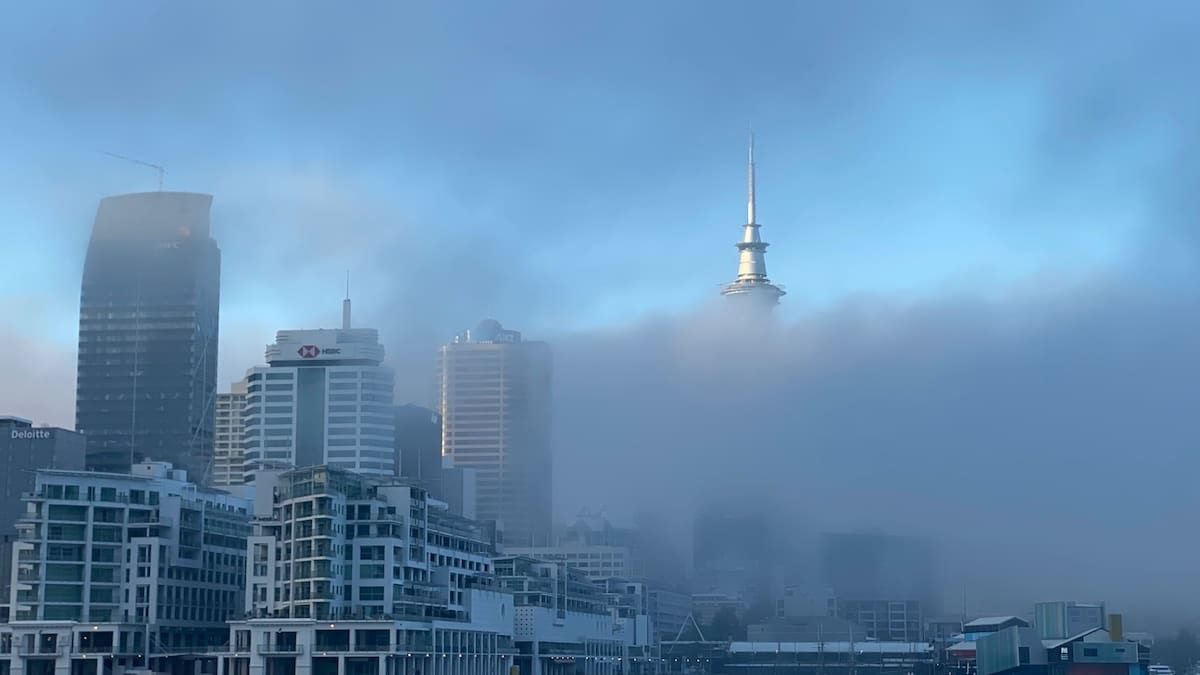
Yellow fog warning in force across all six counties
The Met Office issued the yellow fog warning at 03:48 UTC on Tuesday 3 November, highlighting the potential for visibility to fall sharply in western parts of Northern Ireland. The alert covered all six counties, including Antrim, Armagh, Down, Fermanagh, Londonderry and Tyrone, with conditions expected to improve later in the morning as the fog gradually thinned.
According to publicly available information on the Met Office warnings service, the alert window runs until 10:00 UTC, capturing the busiest part of the weekday morning rush. The warning notes that visibility could drop to less than 100 metres in some locations, creating hazardous driving conditions on both urban routes and rural stretches of road.
The yellow category is the lowest level in the Met Office’s colour-coded system but still signals an increased likelihood of travel disruption. For those travelling in or through Northern Ireland on Tuesday morning, the combination of dense fog and the region’s mix of motorway, dual carriageway and narrow rural roads presents a particular challenge, especially before sunrise.
Information shared by Met Éireann, the Republic of Ireland’s national meteorological service, also flags yellow-level fog concerns on Tuesday, underlining that the risk of poor visibility is part of a broader pattern affecting parts of the island of Ireland.
Travel disruption risks for road, rail, air and ferry passengers
Travel updates from TrafficWatch Northern Ireland highlight the potential for slower journeys on key commuter corridors while the fog persists. The advisory echoes the Met Office assessment that journey times may increase, with knock-on effects for scheduled bus and rail services during the morning peak.
For road users, the greatest disruption risk lies on fast-moving routes where speeds normally remain high, including sections of the M1 between Belfast and Dungannon, the M2 and M22 serving Antrim and Ballymena, and major A-class roads such as the A6 towards Derry and the A1 corridor linking Lisburn and Newry. With visibility in places reduced to just a few car lengths, any sudden braking or lane changes can quickly escalate into multi-vehicle incidents.
Public transport operators are also monitoring conditions. Published warning text notes the possibility of delays to bus and train services where low visibility affects driving speeds or signalling operations. While not all services are expected to be affected, travellers are advised through public channels to allow extra time and to check the latest updates before setting out, particularly for early departures.
Air travel faces an elevated risk of disruption when dense fog forms over runways and approach paths. The Met Office warning mentions the chance of delays or cancellations to flights, a concern for passengers using Belfast International Airport, Belfast City Airport and City of Derry Airport during the early morning wave of departures and arrivals. Ferry services on routes across the North Channel are less sensitive to fog than to strong winds, but operators may still adjust schedules if visibility around ports and harbour approaches is severely limited.
Safety guidance for drivers and visitors on the roads
Community-facing guidance produced by the Met Office and partner agencies emphasises practical steps for anyone who must travel during thick fog. Motorists are advised to check their vehicle’s lights before departure, ensure windscreen and windows are fully cleared, and use dipped headlights rather than full beam, which can reflect off fog droplets and further reduce visibility.
Fog lights, where fitted, can be used when visibility falls below 100 metres, but should be switched off once conditions improve to avoid dazzling other road users. Drivers are encouraged to slow down, increase following distances significantly, and be prepared for sudden pockets of denser fog, especially in low-lying rural areas, near rivers and across open farmland.
For overseas visitors unfamiliar with Northern Ireland’s road network, the presence of narrow, hedge-lined lanes and sections without street lighting can be disorienting in low visibility. Travel advisories recommend sticking to primary routes where possible, planning journeys in advance and avoiding unnecessary overtaking. Pedestrians and cyclists are urged to wear high-visibility clothing and use lights to increase their chances of being seen.
Published public-awareness material from the Met Office on severe weather stresses that fog can be just as disruptive to everyday life as more dramatic events such as high winds or heavy rain. The combination of slower travel, increased collision risk and potential delays to public transport means journey planning is essential when a yellow fog warning is in place.
Impact on tourism plans and local attractions
The timing of Tuesday’s fog coincides with the late-autumn shoulder season, when Northern Ireland continues to attract visitors to coastal landscapes, heritage sites and city attractions. While most indoor activities in Belfast, Derry, Armagh and other towns can proceed as normal, poor visibility in the early hours may affect scenic drives, sunrise hikes and photography outings.
Iconic driving routes such as the Causeway Coastal Route, as well as roads leading to the Giant’s Causeway, the Glens of Antrim and the Mourne Mountains, can be particularly affected when sea fog and inland mist combine. Tourist bodies encourage visitors to monitor official forecasts and postpone non-essential early-morning road trips until conditions improve, both for safety reasons and to ensure views are not entirely obscured.
For guided excursions and coach tours scheduled to depart in the morning, operators typically review conditions on the day and may adjust departure times or itineraries where dense fog makes certain viewpoints or walking sections impractical. Travellers are advised to keep their contact details up to date with tour providers and to check for messages or app notifications before leaving their accommodation.
Despite the short-lived nature of most fog episodes, the knock-on effects can ripple through the day’s plans, particularly when tight connections or fixed-time bookings are involved. Flexible scheduling, including reserving key outdoor experiences for later in the day once the warning period has passed, can help minimise disruption.
What travellers should watch for as the fog clears
Met Office guidance indicates that Tuesday’s fog is expected to thin and clear through the morning, with visibility gradually improving across western counties first. Even after the official warning expires at 10:00 UTC, patches of mist may linger in sheltered locations, and damp road surfaces can remain slippery, especially where overnight temperatures were low.
Travellers with onward journeys later in the day are encouraged to continue monitoring official forecast channels, as visibility can fluctuate with light winds and local topography. While no further fog warnings had been issued for Northern Ireland for the days immediately following Tuesday at the time of publication, the broader pattern of settled, cool autumn weather means that further episodes of overnight fog cannot be ruled out.
For those planning trips into or out of Northern Ireland in the coming week, checking the Met Office UK warnings page and local traffic information services before travel remains the most reliable way to assess the latest conditions. Publicly accessible briefing documents on the National Severe Weather Warning Service emphasise that yellow alerts are designed to give people enough lead time to adapt plans, especially where journeys are long or involve multiple modes of transport.
As Tuesday’s fog lifts over Northern Ireland’s roads, runways and harbours, disruption is expected to ease. However, the episode serves as a seasonal reminder for residents and visitors alike that even on relatively calm autumn days, reduced visibility can quickly reshape the travel landscape across the region.