

More news on this day
The United Kingdom has lifted its travel ban and “all but essential travel” warning for the United Arab Emirates, clearing the way for a sharp rebound in tourism to Dubai just as major UK carriers British Airways and Virgin Atlantic grapple with extended flight cancellations linked to recent regional conflict.
Get the latest news straight to your inbox!
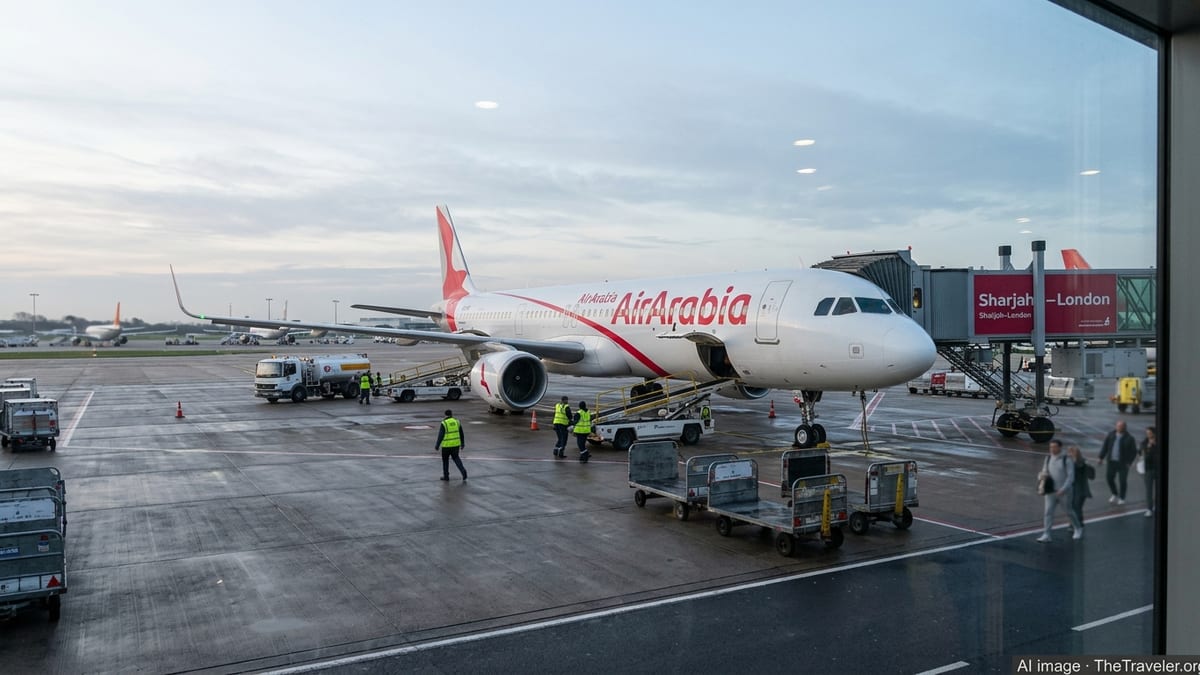
Travel Warning Eased After Iran–UAE Ceasefire
According to recent government travel updates and widely shared reporting, the UK’s Foreign, Commonwealth and Development Office has removed its strongest advisory against travel to the UAE following a US and Iran-brokered agreement to halt hostilities that had spilled into Gulf airspace. The shift, which emerged in public travel guidance on 18 June 2026, marks a significant softening from earlier months when officials urged UK nationals to avoid all travel to the region after missile and drone strikes targeted Emirati infrastructure, including Dubai’s aviation hub.
Publicly available conflict timelines indicate that by mid March 2026, Dubai International Airport had already returned to near-normal operating capacity, even as foreign ministries in Europe maintained conservative advisories on non-essential leisure trips. The UK’s change therefore brings its formal stance closer to the operational reality in the UAE, where airports are open, domestic carriers are flying and inbound visitor numbers have been inching upward.
Travel industry bulletins note that London’s reversal follows similar recalibrations by other Western governments that had tightened warnings during the height of the Iran–UAE confrontation. Analysts say the updated guidance is particularly consequential for a market such as Dubai, where British holidaymakers, business travelers and second-home owners represent a disproportionately large slice of inbound demand.
While no formal airspace ban between the UK and UAE existed, the combination of stringent travel advice and widespread airline cancellations effectively froze a large share of UK-origin traffic into Dubai. The latest advisory shift is expected to unwind that chill and encourage both individual travelers and tour operators to restart postponed itineraries.
Dubai Tourism Set for Fast-Track Recovery
Tourism observers expect the UK move to quickly translate into higher bookings for Dubai hotels, resorts and attractions. Market commentary across trade publications suggests that British travelers, many of whom had deferred winter and spring trips, are now looking to rebook for late summer and the 2026–27 peak season, taking advantage of newly restored travel insurance coverage that had been suspended while the stronger warning remained in place.
Dubai’s tourism model is highly dependent on long-haul visitors and connecting traffic, and UK-origin passengers rank among its highest-spending segments. Travel agencies in the UK report an uptick in inquiries for Dubai city breaks, family holidays on the Palm and combined itineraries that pair the emirate with Maldives or Indian Ocean beach stays. Industry analysts say that if air capacity is restored at pace, Dubai could recover a substantial portion of its lost British visitor volume within the next 12 months.
Local hospitality data providers have already been tracking a gradual rebound in occupancy after the sharp dip that followed the February and March missile strikes. The easing of UK guidance, combined with insurance reinstatements and aggressive promotional fares from Gulf carriers, is expected to push that recovery into a higher gear. Luxury properties that rely heavily on UK and European guests, in particular, stand to benefit from a late surge of bookings for the shoulder months of September and October.
However, travel consultants caution that pricing and seat availability may remain volatile in the short term. With capacity still constrained on key UK–Dubai routes because of airline schedule cuts, early bookers are likely to secure more favorable options than those waiting for last-minute deals.
British Airways and Virgin Atlantic Keep Dubai Flights on Ice
Despite the more permissive UK travel stance, British Airways has not yet reinstated its suspended Dubai operation. According to recent coverage from aviation trade outlets, the flag carrier pulled flights to Dubai, along with several other Middle East destinations, in March 2026, citing regional instability and complex airspace restrictions. Subsequent schedule filings indicate that services remain paused at least through late June, with passengers rerouted via alternative hubs or offered refunds.
Reports from consumer forums and specialist travel media describe a patchwork of outcomes for affected British Airways customers. Some passengers have been rebooked through alliance partners or via indirect routings that circumvent sensitive airspace, while others have faced long waits for refunds or compensation under UK passenger-rights rules. The continued absence of a direct Heathrow–Dubai link from the UK’s largest legacy carrier has left a gap in premium and corporate travel options on one of the world’s busiest long-haul corridors.
Virgin Atlantic, which had only recently returned to the Dubai market after a multi-year absence, has also cut back flights during the regional turmoil. Fleet and schedule updates referenced in aviation analysis pieces show that the carrier trimmed or cancelled selected Dubai rotations during the height of the Iran–UAE tensions, reallocating aircraft to transatlantic routes and other long-haul sectors with more stable demand. While some frequencies have resumed, the airline’s Dubai program remains more limited than originally planned.
Industry observers note that safety and operational predictability remain top priorities for UK carriers that do not enjoy the same geographic advantages as Gulf airlines. Reroutings around closed or partially restricted airspace can add time, fuel burn and complexity to flights, making marginal routes harder to sustain until the regional risk picture settles further.
Gulf and European Airlines Move to Capture UK Demand
As British Airways and Virgin Atlantic tread cautiously, Gulf carriers are accelerating their push to capture displaced UK demand into Dubai. Public schedules show that UAE-based airlines have restored or expanded services from multiple UK airports, using both widebody and high-density narrowbody aircraft to soak up leisure traffic. Some have introduced promotional business-class fares aimed squarely at corporate travelers who previously relied on direct UK legacy services.
European network airlines are also positioning to benefit. Recent travel-industry reporting highlights expanded one-stop options to Dubai via hubs such as Amsterdam, Paris and Frankfurt, where carriers have maintained more consistent Middle East operations throughout the crisis. These airlines are marketing through-tickets from the UK with relatively short connections, offering an alternative for travelers unwilling to wait for British Airways or Virgin Atlantic to return at full strength.
The shift underscores how quickly capacity can move on key long-haul routes when geopolitical risks alter the playing field. While UK carriers have stepped back from Dubai during the most volatile period, their competitors have used the opening to deepen relationships with British travelers and corporate travel buyers, a dynamic that could shape market share even after direct UK–Dubai flights fully resume.
Travel analysts caution that airlines now adding capacity will need to remain flexible. If British Airways or Virgin Atlantic restore schedules more aggressively later in 2026, competition on the corridor could intensify, potentially driving down fares and reshaping alliance and code-share strategies across Europe and the Gulf.
What UK Travelers Should Expect in the Months Ahead
For UK-based travelers, the immediate impact of the lifted travel warning is psychological as much as practical. Public guidance that no longer discourages holidays in the UAE is likely to reassure would-be visitors who were uneasy about booking trips while conflict footage dominated news bulletins. With Dubai marketing campaigns already targeting the UK, industry insiders foresee a wave of late bookings for winter sun escapes once flight options broaden.
At the same time, recent experiences of mass cancellations have made travelers more attuned to the fine print. Consumer advocates and travel-law specialists interviewed across media have encouraged passengers to scrutinize airline rebooking and refund policies, ensure their insurance explicitly covers conflict-related disruption and consider paying with credit cards that offer stronger protections if flights are cancelled at short notice.
Airports and airlines also face a reputational test. Passenger accounts shared in public forums during the height of the disruption described long queues, limited information and complex rebooking processes as carriers navigated rolling airspace changes. With the UK ban lifted and demand returning, how smoothly airlines handle any further flare-ups or operational challenges could heavily influence loyalty on the UK–Dubai route.
For now, the trajectory is positive: a major European source market has effectively reopened to Dubai just as the security backdrop in the Gulf improves. The pace at which British Airways and Virgin Atlantic can rebuild their schedules, and how aggressively Gulf and European rivals compete for their former customers, will determine whether the current tourism rebound becomes a long-term reshaping of travel patterns between the UK and the Emirates.