


More news on this day
The United Kingdom has tightened its travel advice for Saudi Arabia following recent missile strikes on Riyadh, including an attack on King Khalid International Airport in October, prompting fresh warnings for British travellers and widespread disruption to flights into the kingdom.
Get the latest news straight to your inbox!
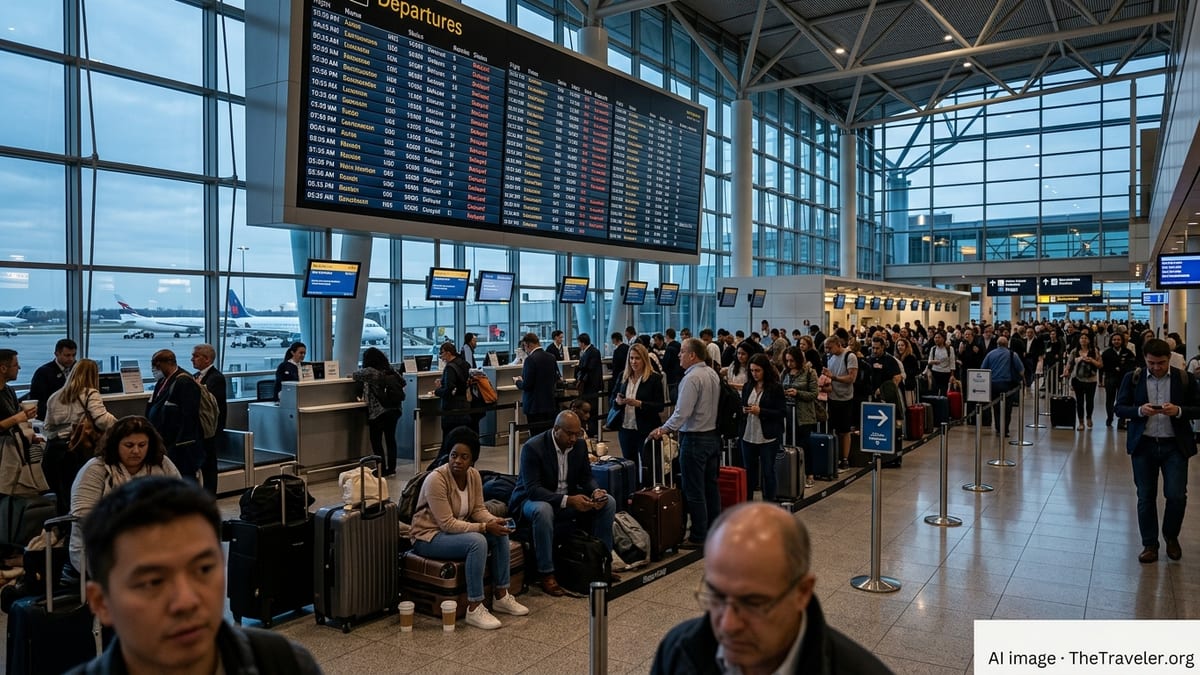
Riyadh Airport Strike Triggers Stricter UK Guidance
Publicly available Foreign, Commonwealth and Development Office guidance for Saudi Arabia was updated in October after a missile struck King Khalid International Airport in Riyadh on 10 October 2026, damaging infrastructure and triggering emergency responses at the capital’s main international gateway. The advice now highlights a heightened threat to airports and other critical sites across the country.
The updated text notes that missile and drone attacks linked to the conflict in Yemen have targeted airports, military sites, energy facilities and urban centres in Saudi Arabia, including Riyadh, Jeddah, Dammam, Abha, Jizan, Najran and Yanbu. Travellers are advised that further attacks could occur with little or no warning and that debris from intercepted projectiles can also present risks in built-up areas.
According to current official travel advice, there is now specific reference to the October strike on the Riyadh airport and to a broader pattern of aerial attacks against Saudi infrastructure. This represents one of the most strongly worded assessments of the security environment in the kingdom issued by the UK in recent years.
Travel industry bulletins issued in mid-October report that some international carriers have cancelled or re-routed services to Riyadh in response to the security situation and airspace restrictions. Passengers have faced short-notice schedule changes as airlines adapt their operations following the latest series of strikes.
Where the UK Advises Against Travel in Saudi Arabia
The UK government continues to advise against all travel to areas close to Saudi Arabia’s southern border with Yemen, a position that predates the latest Riyadh strikes but has been reinforced in the most recent updates. This includes territory within a defined distance of the frontier, where cross-border shelling and missile fire have previously been recorded.
Regional risk mapping available on the UK’s official travel advice pages also sets out locations where the guidance is to avoid all but essential travel. These restrictions have expanded over time to take account of changing security conditions, particularly in parts of the south and east of the country and along key transport corridors.
Advisory material aimed at corporate and academic travellers, drawing on the official UK position, indicates that caution is now recommended not only in remote border areas but also in major urban provinces including Riyadh, Jeddah and Dammam. Some institutions are pausing non-essential visits to these cities in response to the October airport strike and the broader pattern of attacks on infrastructure.
There is also emphasis on the risk to maritime traffic in the Red Sea, where shipping associated with Saudi ports has been referenced in security assessments. While this primarily affects commercial operations, cruise itineraries and sea crossings connected to Saudi Arabia may also be subject to late changes if security alerts rise.
Implications for Flights, Insurance and Itineraries
The tightening of UK travel advice has immediate consequences for flights, travel insurance coverage and itinerary planning. Guidance from insurers and corporate travel managers indicates that policies may not provide cover if travellers enter areas that the UK government advises against visiting, or if they proceed with trips classified as more than essential when the guidance is to avoid non-essential travel.
Recent industry circulars on Middle East disruption note that airspace closures and restrictions in neighbouring countries can compound the impact of attacks within Saudi Arabia itself. Travellers connecting via regional hubs such as Doha, Abu Dhabi, Dubai, Manama or Kuwait City may encounter diversions, extended routings or last-minute cancellations on journeys to and from Saudi destinations.
Consumer and business travel advisories recommend that anyone with tickets to Riyadh or other major Saudi airports closely monitor airline notifications, reconfirm departure and arrival times before leaving for the airport, and be prepared to accept re-routing through alternative gateways in the Gulf. Some travellers have reported being transferred to other carriers or rebooked via third countries when direct flights to Riyadh were suspended at short notice.
Specialist security briefings suggest building extra time into itineraries involving Saudi Arabia, particularly for multi-leg trips, and keeping accommodation and ground transport arrangements as flexible as possible. Non-refundable bookings may carry higher risk in the current environment, given the potential for sudden changes in the threat level and associated airline responses.
Security Precautions for Travellers Still Entering the Kingdom
Despite the tightened guidance, some British nationals continue to travel to Saudi Arabia for work, family reasons and essential business. Publicly available UK and allied government advisories outline a series of precautions aimed at reducing exposure to security risks for those who decide that their travel is essential.
Current safety sections stress the importance of remaining alert to the possibility of missile or drone strikes and of understanding local alert systems in major cities such as Riyadh and Jeddah. Advice materials point out that attacks could be indiscriminate and may affect locations frequented by foreign nationals, including shopping malls, business districts and transport infrastructure.
Travellers are encouraged in open guidance to register contact details with their embassy or consulate, to review contingency plans for sheltering in place during an incident, and to identify secure areas in hotels or serviced apartments. Official information also warns against photographing military sites, security installations or critical infrastructure, noting that doing so can lead to detention under Saudi law.
Security-focused travel briefings further recommend that visitors follow local news in English or Arabic, keep mobile phones charged, and carry identification documents at all times. Where employers or universities have their own travel risk management programmes, individuals are being asked to comply with internal registration and check-in procedures throughout their stay.
How the UK Stance Compares Internationally
The UK’s stricter position on travel to Saudi Arabia sits within a broader pattern of rising caution among governments that send large numbers of visitors and expatriate workers to the kingdom. Recent updates from Canada, Australia and several European states reference missile and drone attacks on Saudi cities, airports and energy facilities, and draw attention to the risk of further escalation.
Australia’s Smartraveller service currently advises against travel to Saudi Arabia, citing the threat of military attacks on civilian and energy infrastructure and the possibility of further strikes without warning. Canadian guidance also highlights missile and drone attacks on airports that have affected flight operations at multiple locations within the country.
Corporate risk assessments produced for multinational companies in mid to late 2026 underline similar concerns, pointing to the vulnerability of aviation hubs, energy installations and diplomatic districts in Riyadh and other major cities. These briefings often recommend that non-essential business travel be postponed, that remote alternatives such as virtual meetings be used where feasible, and that any employees required on the ground receive additional security support.
For leisure travellers and independent visitors, the tightening of the UK advisory following the Riyadh strikes signals a more challenging environment for tourism to Saudi Arabia in the near term. While the country continues to promote large-scale tourism projects and eased entry requirements, the current security warnings indicate that those plans are intersecting with a period of elevated regional tension that is directly affecting air travel and visitor safety assessments.