


More news on this day
The United States has revoked more than 6,000 visas linked to birth tourism as part of a sweeping enforcement drive that combines tougher consular scrutiny, new visa rules and a dedicated task force focused on commercial networks that arrange childbirth in the country for foreign nationals.
Get the latest news straight to your inbox!
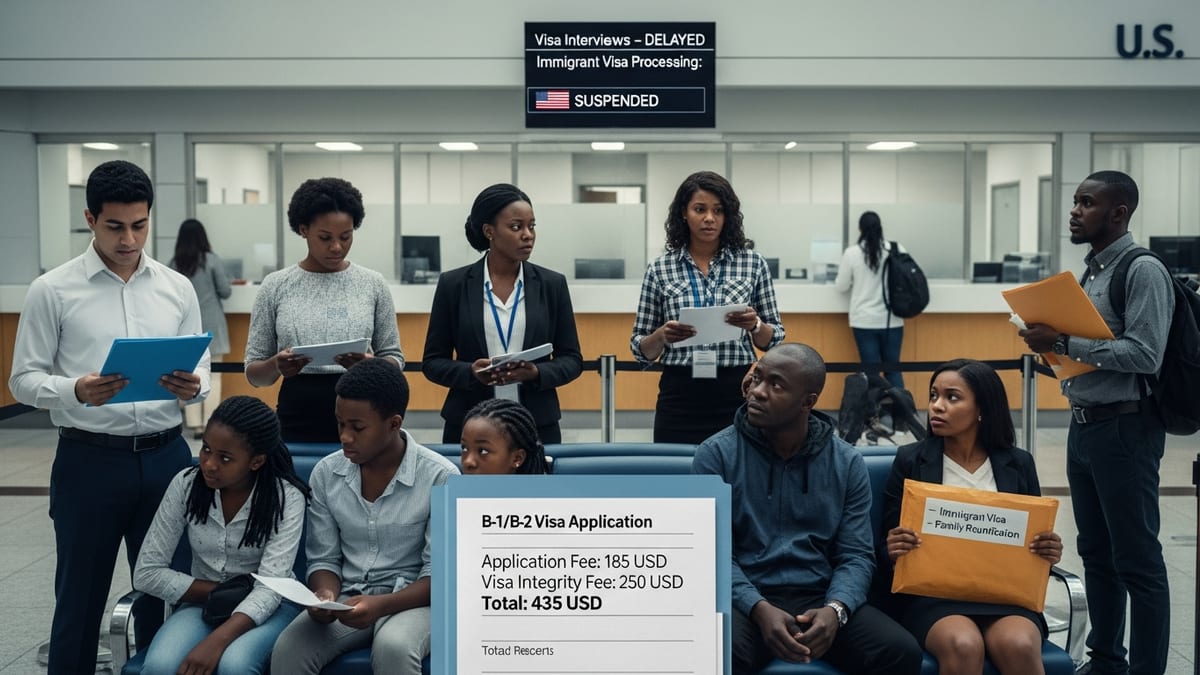
New Numbers Highlight Scope of Visa Revocations
Publicly available information indicates that the US State Department’s Birth Tourism Prevention Task Force has now crossed the 6,000 mark in visa revocations worldwide, targeting travelers and facilitators tied to birth tourism schemes. Recent coverage describes these actions as part of a broader reassessment of visitor visas issued in recent years, with officials examining whether some travelers entered the country primarily to give birth so their children could obtain US citizenship.
Reports from international and regional outlets state that the revocations involve holders of B1 and B2 visitor visas, the categories typically used for short term business and tourism travel. These reports indicate that the State Department has been reviewing visa and travel records going back several years to identify cases where the declared purpose of travel may not have matched actual plans involving childbirth in the United States.
Coverage also notes that the more than 6,000 revoked visas form part of a larger wave of visa cancellations in recent years affecting different categories of travelers. However, birth tourism related revocations have emerged as a distinct focus since mid 2026, when the current enforcement initiative began to accelerate.
Executive Order 14419 and New Policy Framework
The latest enforcement push is anchored in Executive Order 14419, signed on August 6, 2026, which sets out a policy of “ending birth tourism” and directs federal agencies to prevent misuse of nonimmigrant visas for that purpose. The order frames birth tourism as a threat to the integrity of the US immigration system and calls for action against both individual travelers and commercial networks that facilitate such trips.
According to executive order documentation and legal summaries, the policy authorizes agencies to deny or revoke visas and other travel authorizations for foreign nationals who enter or attempt to enter the United States to give birth primarily to obtain citizenship for their children. It also contemplates barring reentry and taking action against entities and individuals who organize or promote birth tourism services, including visa brokers, housing providers and medical intermediaries.
Separate State Department policy materials explain that travel with the primary purpose of obtaining US citizenship for a child by giving birth in the United States is treated as an impermissible basis for the issuance of a B category nonimmigrant visa. At the same time, the agency states that it seeks to balance the crackdown on birth tourism with continued facilitation of legitimate medical travel under the same visa category.
How Birth Tourism Is Defined and Policed
Birth tourism generally refers to travel to the United States on a temporary visa, most often a B1 or B2 visitor visa, when the main purpose is to give birth so that the child acquires US citizenship at birth. Background materials from the Department of Justice and previous regulatory actions describe a commercial industry in which operators market all inclusive packages covering accommodation, hospital arrangements, translation, transportation and sometimes coaching on how to answer consular questions.
Government rulemaking records and past prosecutions outline concerns that some operators have instructed clients to conceal their pregnancy or misrepresent the purpose of their visit during visa interviews and at ports of entry. Enforcement records in prior cases have described package prices that can run into tens of thousands of dollars, including high end lodging and concierge style services in popular destinations such as California, Florida and New York.
Under the current policy framework, consular officers may scrutinize applications more closely when an applicant appears likely to give birth in the United States during a short term stay. Public guidance emphasizes that pregnancy alone is not grounds for denial and that applicants seeking legitimate medical care may still qualify if they demonstrate lawful intent, sufficient funds and arrangements for medical treatment.
Task Force Targets Global Networks and Facilitators
The State Department’s Birth Tourism Prevention Task Force, established in August 2026, has become the focal point for coordinating these efforts across US embassies and consulates. Reports citing official social media posts describe how the task force works with posts in multiple regions to identify patterns of suspicious applications, fraudulent documentation and recurring intermediaries linked to organized birth tourism networks.
Coverage from international news outlets notes that the task force’s activities include both forward looking screening of new visa applications and retrospective reviews of visas already issued. In several cited cases, consular posts have revoked groups of visas associated with particular facilitators or agencies after uncovering evidence that clients traveled primarily to give birth.
Public summaries of the new policy further indicate that the crackdown is not limited to parents. Individuals described as organizers, owners and managers of commercial birth tourism businesses, along with foreign medical providers and visa “fixers,” may face visa restrictions of their own if they are found to have knowingly enabled birth tourism or related immigration fraud.
Implications for Travelers and the Travel Industry
For international travelers, the new enforcement environment means that consular officers are likely to probe more deeply into the purpose, timing and funding of planned trips, especially when applicants are visibly pregnant or disclose medical treatment as a reason for travel. Publicly available guidance underscores the importance of providing complete and accurate information in visa applications and at interviews, as misrepresentation can lead to visa refusal, revocation and long term ineligibilities.
Travel industry observers note that the crackdown complicates a niche but lucrative segment of the global travel market, in which some agencies previously advertised US childbirth packages that included resort style stays and premium medical facilities. With the State Department now signaling that birth tourism is an impermissible basis for entry, such products face heightened legal and reputational risks, and some operators may scale back or rebrand their offerings to avoid explicit references to citizenship benefits.
At the same time, hospitals, legitimate medical travel coordinators and mainstream tour operators may need to clarify their own roles and documentation practices to ensure that clients understand the distinction between lawful medical visits and arrangements that could be interpreted as birth tourism. For travelers already holding US visitor visas and contemplating childbirth in the country, legal commentators advise careful review of current rules, as the risk of post entry visa revocation has clearly increased under the new policy regime.