


More news on this day
The United Kingdom’s latest travel advice for Israel is prompting renewed anxiety among would-be visitors, as publicly available guidance warns that violence could flare with little notice, international borders may close rapidly and Ben Gurion Airport could face further disruption.
Get the latest news straight to your inbox!
Heightened UK Warning Reflects Volatile Security Picture
The UK Foreign, Commonwealth and Development Office has strengthened its travel advice for Israel in recent months, reflecting an environment it describes as unpredictable and vulnerable to sudden escalation. According to published guidance, the situation could change quickly, with a risk that attacks may resume at short notice following periods of relative calm.
The alert follows a sequence of regional flashpoints and ceasefires since 2024, interspersed with missile and drone incidents affecting Israeli territory. Publicly available summaries of the UK stance indicate that the government continues to advise against all travel to some areas and against all but essential travel to much of the country, citing ongoing conflict dynamics and the prospect of renewed hostilities.
Safety information collated by travel security firms and government advisories points to a fluid threat landscape that includes rocket fire, cross-border incidents and targeted strikes. These advisories consistently highlight that foreign nationals and tourist sites may be at higher risk during spikes in tension, with limited warning before attacks or military responses occur.
Risk of Rapid Border Closures and Limited Exit Options
One of the most striking elements in the UK guidance is the explicit warning that regional tensions may cause international borders, both air and land, to close at short notice. Updates tracked from the official Israel travel advice pages show repeated references to the potential for land crossings with neighbouring states to shut with no advance indication.
Recent experience in the region has demonstrated how quickly channels of exit can narrow. Over the last two years, border crossings around Gaza and parts of the Israel–Egypt and Israel–Jordan frontiers have periodically been closed or tightly controlled as operations intensified. Publicly accessible situation reports produced by risk consultancies also describe occasions where road routes and crossings have been restricted or suspended, leaving foreign travellers dependent on a small number of remaining corridors.
The UK Foreign Office text reviewed by travel analysts stresses that travellers should not assume that land borders will remain open during spikes in violence or regional confrontation. The combination of airspace restrictions, sporadic missile fire and military deployments has repeatedly led to air and land routes being curtailed, creating a risk that visitors could struggle to leave if the security picture deteriorates suddenly.
Ben Gurion Airport Operations Under Continued Strain
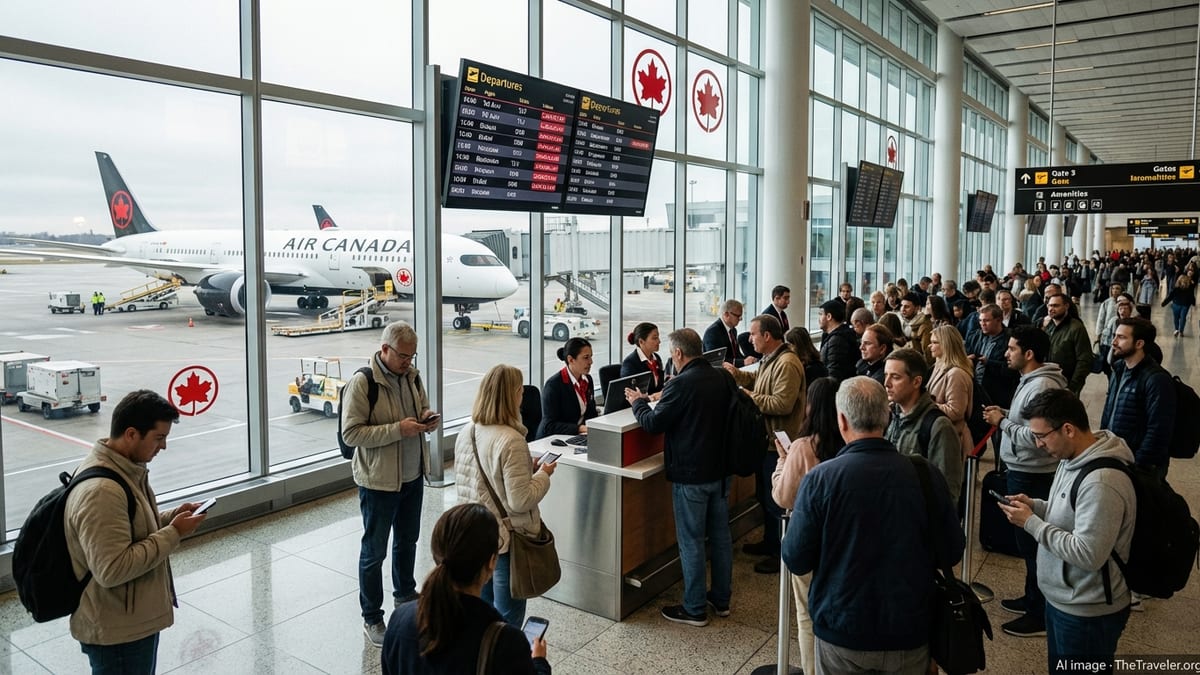
Ben Gurion Airport, Israel’s main international gateway near Tel Aviv, has been at the centre of repeated disruption since wider regional tensions escalated. Government change logs and independent travel advisories note that at several points this year the airport has operated a reduced schedule, and on some occasions only a limited number of outbound flights have departed while inbound traffic was heavily constrained.
Following missile and drone incidents earlier in 2026, aviation notices and media coverage reported significant reductions in traffic and temporary shutdowns of Israeli airspace. Risk bulletins circulated to corporate travellers referred to Ben Gurion running on an “extremely limited” or “restricted” basis, with a focus on authorised, repatriation and essential flights rather than normal commercial schedules.
Although recent domestic coverage from Israel indicates that passenger volumes are now recovering for the summer period, the UK Foreign Office guidance continues to warn that Ben Gurion could face renewed disruption if hostilities intensify. Published text warns of possible shrapnel from intercepted missiles falling across parts of Israel and the Palestinian territories, and highlights the associated risk of sudden changes to airport operations.
Airline Responses and Insurance Implications for UK Travellers
The uncertain operating environment has prompted a varied response from airlines serving the UK–Israel market. According to specialist travel industry reporting, some carriers suspended flights altogether during periods of heightened confrontation, while a small number of operators, including Israeli airlines and selected European low-cost carriers, have restarted on a reduced schedule despite the continuation of strict UK travel advice.
Travel trade publications describe a pattern in which airlines weigh operational safety assessments, commercial demand and government guidance before restoring regular services. In practice, this has produced a patchwork of options, with direct UK–Israel flights often limited, rerouted or subject to last-minute timetable changes as regional conditions evolve.
For individual travellers, the UK Foreign Office’s designation carries important insurance consequences. Publicly available wording makes clear that policies may be invalidated if people travel against official advice. As a result, many insurance providers restrict cover for trips into areas where the UK government advises against all but essential travel, creating an additional constraint for tourism and non-essential business visits to Israel.
Practical Considerations for Those Already in the Region
For UK nationals and other foreign visitors already in Israel, the latest guidance places strong emphasis on preparedness and flexibility. Government advisory text and external risk assessments recommend closely monitoring airline announcements, remaining alert to updates from local authorities and considering the status of border crossings before planning any departure.
Specialist security firms underline the importance of having contingency plans in case flights from Ben Gurion are reduced or cancelled at short notice. These may include being ready to adjust itineraries, exploring alternative departure points where feasible, or allowing additional time to navigate enhanced security checks and possible congestion at the airport.
Publicly available crisis-preparedness resources from the UK government also encourage travellers in high-risk locations to maintain basic emergency supplies, keep travel documents accessible and ensure communication devices remain charged. In the current context, such measures are presented as a precaution against sudden surges in violence or unexpected border and airport closures that could leave visitors with few immediate options.