


More news on this day
Rising prices, peak‑season crowds and a growing appetite for “value over vanity” trips are reshaping how visitors experience the United Kingdom, with travel specialists increasingly warning that some of the country’s best-known destinations are starting to look more like tourist traps than treasured sights.
Get the latest news straight to your inbox!
Iconic Hotspots Face Backlash Over Crowds and Costs
Recent coverage from UK and international travel outlets highlights a widening gap between the romantic image of certain British destinations and what visitors actually find on arrival. Analysts point in particular to heavily marketed hotspots where food, accommodation and basic services command a premium, yet visitors still face long queues, congestion and a sense of staged authenticity.
Brighton’s central seafront, with its amusement arcades and bars packed along the promenade, features frequently in consumer reports that describe high prices for relatively standard fare and limited space on the beach at busy times. Similar complaints are directed at popular stretches of the Lake District around Windermere, where concentration of visitor facilities has pushed up accommodation costs and put pressure on roads, trails and villages.
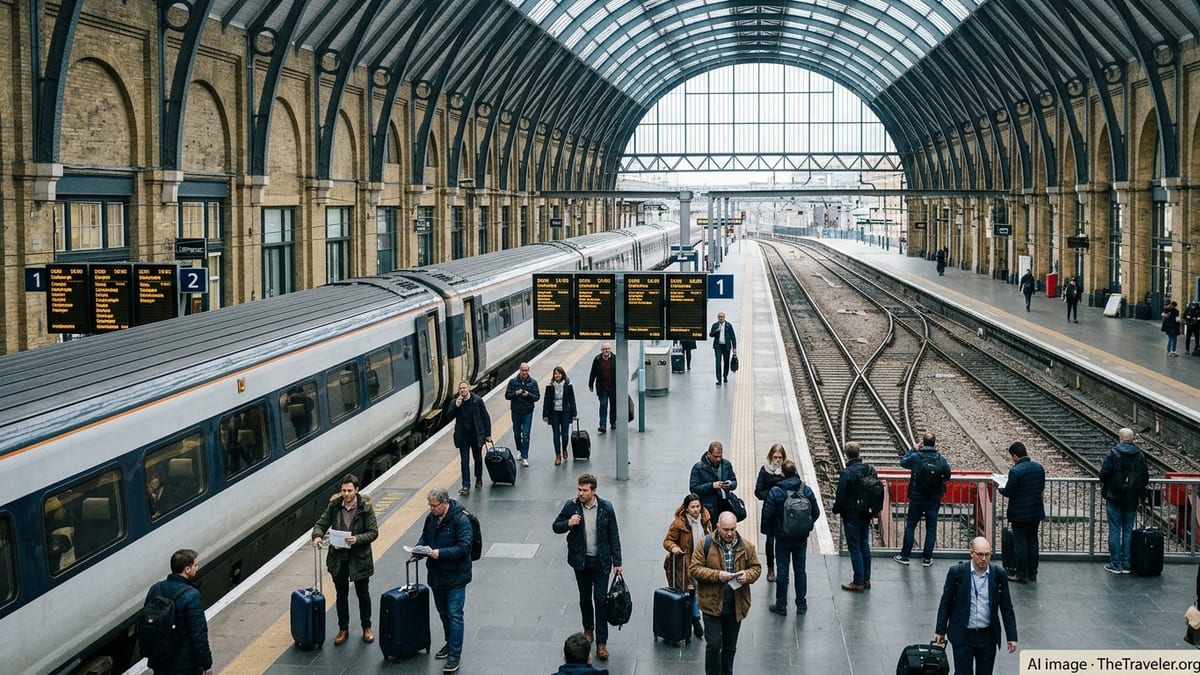
Travel trend reporting for 2025 and 2026 also notes that London, still one of the world’s most searched-for destinations, is increasingly associated with “checklist” photo stops such as Leicester Square or the fenced-off Harry Potter-themed trolley at King’s Cross station, which many reviewers describe as crowded, commercial add-ons rather than meaningful cultural experiences.
Industry research shows that this frustration is arriving at the same time as higher overall travel costs. Surveys of British holidaymakers indicate a strong shift toward “value-seeking behaviour,” with many travellers saying they are now more sensitive to price and more willing to consider lesser-known destinations if they offer similar scenery or culture without the inflated bills.
Coastal Overload: Beyond Brighton and Cornwall
Nowhere is the pushback against overcrowding more visible than on the English coast. Well-publicised beaches in Brighton, central Cornwall and Devon still draw large numbers, but reviews increasingly cite difficult parking, restaurant waits and premium rates for modest rooms, particularly in school holidays.
In response, travel guides and destination round-ups have started to spotlight smaller seaside towns that deliver classic British beach holidays with fewer crowds. Publications focused on domestic tourism point to places such as Tenby in Pembrokeshire, Robin Hood’s Bay and Whitby in North Yorkshire, and quieter Cornish communities that retain a traditional harbour atmosphere without the same concentration of tour groups found in leading resorts.
These alternatives are frequently praised for walkable historic centres, easy access to coastal paths and more competitive pricing on family stays. Analysts note that while services can be simpler than in the biggest resorts, visitors often report higher satisfaction because they can actually find space on the sand, secure last-minute dinner reservations and interact more easily with local businesses.
Post-pandemic interest in nature and wellness travel has also boosted less crowded stretches of coastline, from the Gower Peninsula in South Wales to remote bays in Northumberland and North Yorkshire. Travel writers highlight these areas as opportunities to experience surf beaches, wildlife and dark skies with a lower environmental footprint and less pressure on local infrastructure.
Escaping the Lake District Rush
The Lake District remains the United Kingdom’s most famous national park, but a growing body of travel commentary suggests that its popularity has become a double-edged sword. Visitor numbers cluster around well-known lakes such as Windermere and Derwentwater, especially in summer, where narrow roads and limited parking can quickly become bottlenecks.
As a result, a range of quieter landscapes is gaining attention as “Lake District alternatives.” Features in National Geographic and specialist accommodation platforms point to the North Pennines, the Forest of Bowland and the Howgill Fells as examples of regions offering open fells, stone-built villages and extensive walking routes with far fewer tour buses.
Within Cumbria itself, travel experts highlight Coniston Water and Ullswater as calmer options for boating and lakeside walking, particularly outside school holidays. These areas typically provide many of the same activities associated with the central Lake District, such as hiking, wild swimming and heritage steamer cruises, but with more space on trails and shorelines.
Consumer-facing advice increasingly encourages visitors to weigh up travel time against on-the-ground experience. Spending an extra hour on the train or in the car to reach a less publicised valley can mean shorter queues, easier parking and more opportunity to support independent guesthouses and village pubs rather than relying on the most visible chains.
Historic Sites: From Stonehenge to Quiet Ruins
The UK’s historic monuments are another flashpoint in the debate over value for money. High-profile sites such as Stonehenge attract strong opinion online, with some travellers arguing that crowds, restricted access and ticket prices make the experience feel less rewarding than anticipated.
Heritage writers and walking guides are responding by drawing attention to the country’s many lesser-known stone circles, hillforts and ruined abbeys, where admission is cheaper or free and visitors can explore at their own pace. Examples include neolithic and Bronze Age sites scattered across Cumbria, Northumberland and Scotland, often reached via short walks from rural car parks.
Similarly, travellers looking for medieval architecture are increasingly steered toward smaller cathedral cities and market towns instead of the busiest castle complexes. Cities such as Durham, Lincoln and York are often cited as combining major Gothic cathedrals, intact historic streets and riverside walks with more manageable visitor numbers than central London landmarks.
Analysts note that these quieter sites may lack the on-site visitor centres and multimedia installations of the biggest attractions, but many travellers now see that trade-off as a benefit. Without timed entry slots and crowd management barriers, visitors report feeling more immersed in the landscape and history they came to experience.
Smaller Cities and “Destination Dupes” Gain Ground
Alongside coastal and countryside shifts, a growing trend in UK travel is the search for city “dupes” that offer culture and nightlife without capital-city prices. Reports on domestic tourism point to Liverpool, Glasgow, Bristol, Newcastle and Leeds as examples of urban centres that deliver strong music scenes, independent food and striking architecture within a compact, walkable footprint.
Data from hotel search platforms and booking engines suggests that these cities are attracting visitors who might once have defaulted to London or Edinburgh but are now prioritising affordability. Analysts say that in many cases, nightly rates, restaurant bills and attraction tickets remain noticeably lower than in the two major hubs, while rail connections still allow easy access from elsewhere in the country.
At the same time, survey work and trend reports show that travellers are thinking more strategically about how they plan UK trips. Rather than building itineraries around the most famous postcode, they are combining time in one flagship city with stays in a smaller regional base, using it as a launchpad for surrounding countryside and heritage towns.
Industry observers expect this pattern to strengthen as price-sensitive travellers look for longer stays and more local contact. With concerns about overtourism spreading from Europe’s big capitals to Britain’s busiest beauty spots, the message from current research is clear: for those willing to swap the most recognisable skyline or pier for somewhere slightly off the main circuit, the UK still offers space, character and better value away from the crowds.