


More news on this day
Britain has issued updated travel guidance for nationals heading to France, highlighting the possibility of sudden local curfews, protest-related disruption and a continued high threat from terrorism as unrest over the cost of living and education spills onto French streets.
Get the latest news straight to your inbox!
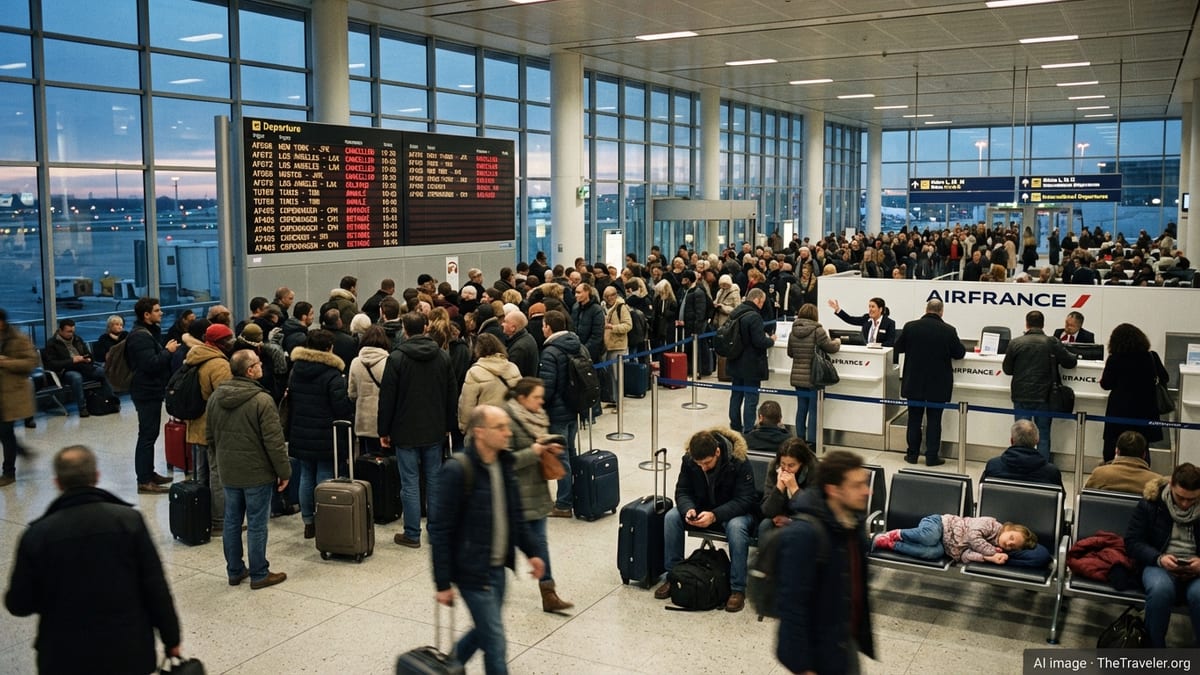
Fresh FCDO update focuses on curfews and street unrest
Publicly available UK Foreign, Commonwealth and Development Office (FCDO) advice for France was revised in late October, following several weekends of large demonstrations and sporadic violence across French cities. The update, reflected in the Warnings and Insurance section of the France country page, flags the increased likelihood of protests and reminds travellers that disruption can occur at short notice.
Coverage of the change notes that the guidance now draws attention to the possibility of local overnight curfews being introduced by French authorities in response to unrest. Reports indicate that restrictions have already been announced in parts of northern France, while officials elsewhere have warned that similar measures could be used if further trouble flares.
The FCDO advice continues to state that the vast majority of visits to France are trouble free, and it has not moved to advise against travel. However, it urges people heading to the country to monitor local media, follow the instructions issued by local authorities and stay away from areas where demonstrations are taking place.
Recent domestic reporting in the UK and Ireland has underlined that travel companies are not generally obliged to refund trips simply because travellers are concerned about protests. Travel insurance policies may only pay out if formal government advice changes to restrict travel to certain areas, so the precise wording of the updated warning is being closely watched by holidaymakers and tour operators.
What is happening on the ground in France
France has experienced a wave of protests in October linked to high school conditions, education reforms and the rising cost of living. Marches and rallies have been held in Paris, Lyon, Lille and other major cities, with some events drawing hundreds of thousands of people onto the streets. In some cases, peaceful protests have been followed by clashes, looting and fires, prompting criticism of the public order response.
French media reports describe security forces being heavily deployed around key dates, with tens of thousands of officers assigned nationwide and several dozen injured in a single weekend of unrest. In Paris, iconic sites such as the Louvre and other major museums have temporarily closed on protest days as a precaution, and public transport operators have warned of disruption to metro and commuter rail services.
The pattern of unrest has varied from city to city. In some locations, demonstrations have remained largely peaceful and confined to central squares and boulevards. In others, authorities have imposed time-limited curfews or banned specific gatherings, citing risks to public safety and property. Travellers arriving in urban centres have at times encountered heavily policed areas, rerouted traffic and last-minute changes to museum or attraction opening hours.
Travel advisories from other governments, including Canada, Ireland and Australia, have also been updated in recent days. These notices broadly mirror the UK focus on protest activity, advising visitors to avoid large gatherings, to anticipate disruption on days of national action and to check whether any curfew or security perimeter affects their accommodation or planned sightseeing.
Continued emphasis on terrorism threat and security alerts
Alongside the new protest language, the UK’s detailed safety and security advice for France continues to underline that there is a high threat of terrorist attack affecting British nationals and UK interests. The guidance points to previous incidents in locations such as central Paris and near tourist sites, and directs travellers to national counterterrorism resources offering practical tips on how to respond if an attack occurs.
France operates the Vigipirate national security framework, which sets alert levels and underpins visible security measures such as armed patrols at transport hubs and public buildings. Other countries’ advisories summarise this system and note that shifts in the alert level can lead to tighter controls at airports, train stations and major events, especially in the capital.
Recent foreign travel notices also highlight that security information can change quickly in response to new incidents or intelligence. Travellers are being encouraged to sign up for email updates from their own foreign ministries and to keep an eye on official social media channels from embassies and consulates in France. For British visitors, the FCDO offers email alerts specifically for France, providing a way to track further changes without repeatedly checking the advisory website.
Security assessments from universities and risk consultancies continue to categorise travel to France as possible with appropriate precautions. These analyses typically note that while the risk of terrorism and civil unrest is real, it is concentrated in specific times and places and can often be managed through careful itinerary planning and situational awareness.
Impact on trips, insurance and practical planning
The updated UK warning has prompted many would-be visitors to revisit their autumn and winter plans, particularly those booked to visit Paris and other big cities over coming weekends. Travel industry commentary suggests that most flights and cross-Channel services are operating as scheduled, but that industrial action and protests can lead to delays or cancellations on particular days.
Advisory material reviewed by TheTraveler.org emphasises that the threshold for official “do not travel” advice remains high. In practice, this means most package holidays, rail tickets and hotel bookings are still subject to normal terms and conditions, unless local providers voluntarily offer flexible rebooking in response to protests. Travellers worried about unrest are being urged to read their policies carefully, as many standard travel insurance products exclude claims arising from known events such as pre-announced demonstrations.
On the ground, visitors can reduce disruption by checking protest calendars and local news before moving between districts, especially around central squares and government buildings where marches tend to start or end. Urban travel forums and destination-specific channels have been sharing practical updates on which neighbourhoods are affected on given dates, although foreign ministries continue to caution that unofficial advice should be cross-checked against official sources.
Publicly available travel advice also reminds visitors that French police have wide powers to cordon off areas, carry out identity checks and disperse gatherings when public order is at risk. Travellers who come across a large crowd, extensive graffiti or a heavy security presence are generally advised to change route, leave the vicinity and avoid taking photographs that could draw attention.
Key advice for British travellers heading to France
Despite the more pointed wording about protests and curfews, the UK has not introduced broad restrictions on travel to France. The updated advisory instead focuses on encouraging British visitors to stay informed, flexible and cautious when moving around busy urban areas, particularly in the evenings and on days of planned national action.
For those with imminent trips, official guidance and allied coverage suggest several practical steps. Travellers are encouraged to register for FCDO travel advice updates on France, confirm transport arrangements shortly before departure, and allow additional time for journeys to and from airports and rail stations. Booking accommodation away from main protest routes and central squares is also highlighted in some international advisories as a way to limit exposure to disruption.
Visitors are further advised to carry identification, keep digital copies of important documents and save emergency contact details for local services and their own embassy or consulate. While the probability of being directly affected by unrest or an attack remains low, foreign ministries stress that having a basic plan can make it easier to respond if streets are cordoned off, public transport is halted or a curfew is imposed at short notice.
With France heading into a busy period for both tourism and domestic politics, travel advisories are likely to remain under close review. People planning trips in the months ahead are being encouraged to keep monitoring official updates from the UK and French authorities so they can quickly adapt if security conditions, protest activity or local regulations change.