


More news on this day
United Airlines chief executive Scott Kirby used a recent holiday address to spotlight the carrier’s expanding global footprint and the scale of its workforce, framing United as a growth-focused airline entering the peak travel period with renewed confidence.
Get the latest news straight to your inbox!
Holiday Message Anchored in Scale and Growth
In his seasonal address to employees and stakeholders, Scott Kirby centered his message on the scale United has built in recent years and the role that size plays in the airline’s strategy. Publicly available company information describes United as the largest airline in the world by a range of measures, with more than 100,000 employees supporting over 175 million customers a year across a network that reaches more than 370 destinations on six continents.
Kirby’s remarks, as reflected in corporate communications and investor materials, underscored that this scale is not simply a statistic but a core competitive advantage. United has been positioning itself as a carrier designed for global connectivity, with large hubs, deep partnerships and dense schedules intended to capture both business and leisure demand during busy travel periods.
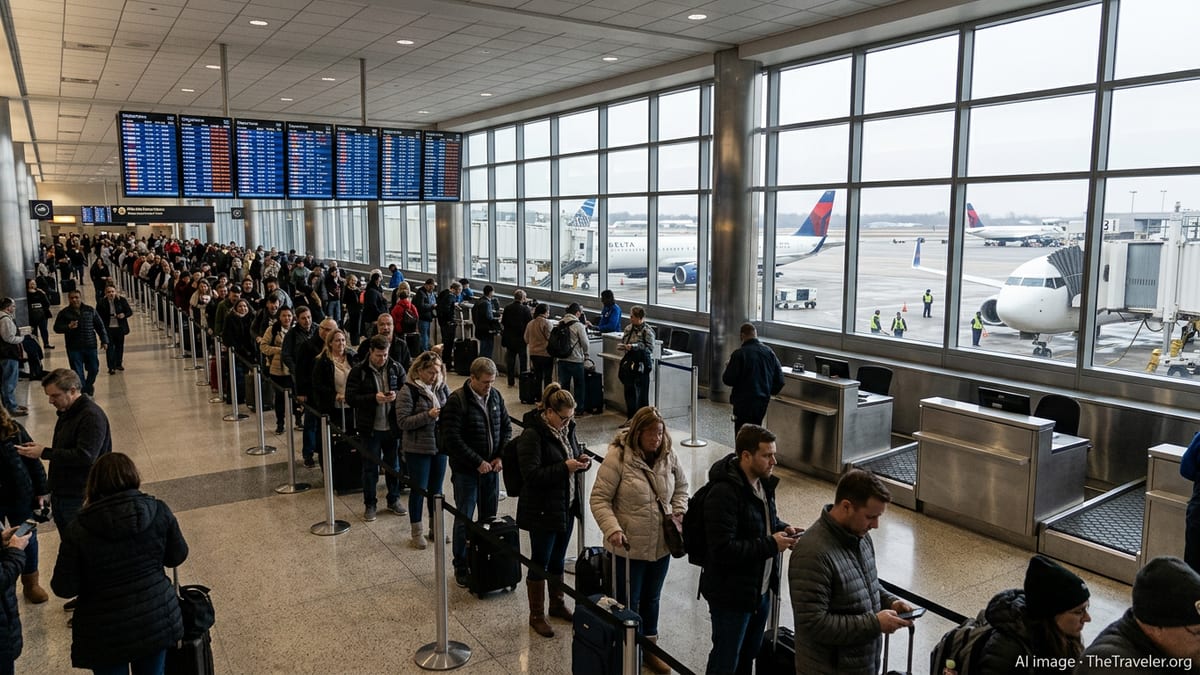
The holiday period, one of the most operationally intense stretches of the year for airlines, provided a natural backdrop for emphasizing the human and logistical complexity behind that network. Kirby’s message highlighted the combined efforts of frontline workers, operations teams and corporate staff who keep a large global system running through winter weather, packed airports and shifting travel patterns.
Rapid Workforce Expansion Under United Next
A central theme of Kirby’s holiday focus has been workforce growth under the United Next plan, the multiyear program guiding the carrier’s fleet, network and product strategy. United’s latest corporate impact reporting indicates that the airline has hired more than 38,000 employees since 2020 as it rebuilt from the pandemic shock and moved into a new expansion phase.
This hiring wave spans pilots, flight attendants, ground staff, maintenance technicians, digital specialists and corporate roles. United’s own disclosures tie the workforce increase directly to its growth agenda, noting that a larger employee base is essential to operating more aircraft, flying more routes and supporting an increasingly complex global network.
Kirby has previously highlighted initiatives such as United’s pilot training academy, designed to help ensure a steady pipeline of aviators for the next decade. Viewed through that lens, the holiday address served as both recognition of existing staff and a signal that the airline expects to keep growing and hiring as it takes delivery of hundreds of additional aircraft and deepens its international schedule.
Fleet Deliveries and Global Network Expansion
Beyond the workforce, Kirby’s message is closely aligned with a major fleet and network build-out. Company filings and impact reports show United expects to take delivery of more than 630 new narrowbody and widebody aircraft by the end of 2034, one of the most aggressive fleet plans among U.S. carriers. Many of these aircraft are earmarked for long-haul and high-capacity routes that underpin the airline’s global strategy.
Recent growth moves include additional service from major hubs such as Washington Dulles, where United has highlighted expanded long-haul flying to Europe, Africa and domestic leisure destinations. Public route announcements indicate new or upgraded services to cities like Dakar, Nice and Venice, along with increased frequencies on established transatlantic routes, reinforcing Dulles as a key gateway in the carrier’s network.
Kirby has repeatedly framed international expansion as a defining feature of United’s post-pandemic strategy. Industry coverage of his public comments in 2025 describes the airline rolling out a significant number of new international routes and aiming to operate hundreds of daily international departures, more than any other North American airline. That context helps explain why a holiday address would lean heavily on themes of global reach, connectivity and the benefits of operating at scale.
Holiday Operations, Reliability and Technology
The holiday travel period offers both an opportunity and a risk for a global carrier, and Kirby’s address acknowledged the importance of operational reliability as the network grows. Publicly available performance summaries for 2025 highlight that United operated its largest mainline schedule in history while keeping cancellations relatively low, an outcome the airline links to investments in staffing, infrastructure and planning tools.
Technology featured prominently in Kirby’s broader messaging over the past year, and that emphasis carried into his seasonal remarks. In interviews and conference appearances, he has described United as a company leaning heavily into artificial intelligence and data-driven tools to manage complex operations, from crew scheduling and maintenance planning to connection-saving programs that help customers make tight transfers.
Customer-facing upgrades, such as aircraft with modern cabins and inflight connectivity, as well as expanded airport lounges at key hubs, are also being framed as part of a comprehensive strategy rather than isolated projects. The holiday address, aligned with the company’s recent earnings discussions, portrayed these investments as crucial to maintaining reliability during peak periods while also differentiating the brand for frequent travelers.
Balancing Growth Ambitions With Labor and Policy Realities
Kirby’s holiday focus on workforce scale arrives amid ongoing attention to labor relations and regulatory constraints that shape how quickly and efficiently United can grow. Company policy summaries note that a reliable national air traffic control system and adequate airport capacity are critical for sustaining the larger schedule that United and other airlines are flying. The airline has been actively engaged in debates around Federal Aviation Administration funding, airspace modernization and infrastructure investment that directly affect day-to-day operations.
At the same time, United’s disclosures recognize that hiring tens of thousands of additional employees brings its own challenges, including training, career progression and pay structures that remain central issues in negotiations with several workgroups. Public commentary from labor organizations and employees in recent years has highlighted tensions over wages, working conditions and scheduling, particularly as the carrier returns to strong profits.
By emphasizing workforce scale and global expansion in a holiday address, Kirby appeared intent on framing United’s trajectory as a shared project between management and employees, even as complex labor and policy questions continue to evolve. For travelers, the message signals that the airline plans to remain on an aggressive growth path into the next decade, betting that a larger, more globally connected network supported by a growing workforce will be a decisive advantage in an increasingly competitive market.