


More news on this day
A United Airlines flight from Chicago to Washington made an unscheduled landing in Pittsburgh on August 6 after an in-flight issue prompted the crew to divert the Airbus A320-232, according to flight-tracking data and published reports.
Get the latest news straight to your inbox!
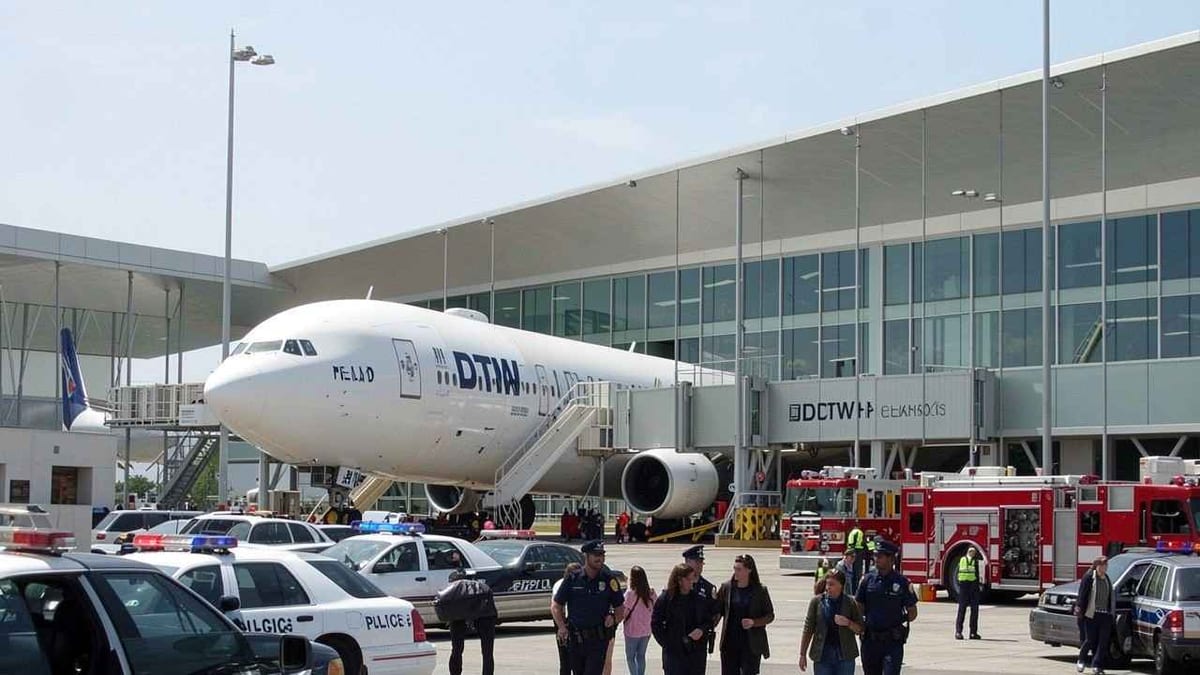
Chicago to Washington Service Interrupted Midflight
United Airlines Flight 1941 was operating a regularly scheduled service between Chicago and the Washington area on August 6 when the flight was interrupted en route. Publicly available flight-tracking information shows the Airbus A320-232 departed Chicago before altering course partway through the journey and heading toward Pittsburgh International Airport.
The flight, operating under United’s domestic network that links its Chicago hub with the nation’s capital region, was expected to follow a relatively short route of about 600 miles. Instead, the aircraft descended and diverted to Pittsburgh, where it landed safely. Initial indications from operational data suggest the diversion occurred while the aircraft was cruising eastbound, prompting a turn toward western Pennsylvania.
Reports indicate that crew and ground operations handled the diversion within standard safety protocols. The nature of the in-flight issue has not been detailed in publicly accessible summaries, and there have been no reports of injuries among passengers or crew.
Safe Landing and Ground Handling in Pittsburgh
After arriving at Pittsburgh International Airport, Flight 1941 taxied to a gate where passengers were able to disembark. Airport movement logs and observer accounts indicate the aircraft remained on the ground while United coordinated its next steps, including inspection of the jet and onward travel arrangements for those on board.
United commonly uses Pittsburgh as a diversion field for eastbound traffic when weather, technical checks, or airspace constraints affect operations along the busy Chicago to Mid-Atlantic corridor. Aviation data and prior diversion reports show that Pittsburgh’s runway length, airfield capacity, and maintenance access make it a practical alternate for aircraft of the Airbus A320 family.
As is typical in diversions, passengers experienced extended ground time as crews and dispatchers assessed the aircraft and evaluated options for continuing the journey. Publicly available accounts suggest that travelers were eventually rebooked or accommodated on later services to the Washington area once the interruption became clear.
Weather and Operational Context Around August 6
The diversion occurred during a period of active summer weather and operational disruption affecting flights into and out of Chicago. In early August, Chicago-area thunderstorms led airlines to publish travel waivers and caution travelers about possible schedule changes. Such conditions can compound routine technical checks or air traffic control restrictions and increase the likelihood of diversions along major domestic routes.
Industry analyses of U.S. flight operations highlight that diversions are more common along heavily traveled corridors linking large hubs and political or business centers. The Chicago to Washington market, served by multiple daily frequencies, regularly operates through congested Midwestern and Mid-Atlantic airspace, where rerouting and holding patterns can place additional demands on fuel planning and aircraft systems.
While specific meteorological details tied to Flight 1941’s diversion have not been fully documented in public summaries, the broader context of summer thunderstorms, high traffic volume, and tight scheduling provides a backdrop for how minor technical or operational concerns can prompt conservative decisions to land at an alternate airport.
Passenger Disruption and Airline Response
For travelers on Flight 1941, the diversion meant delays and potential missed connections in the Washington area. Passenger experiences on similar United diversions reported in recent months describe a mix of extended ground waits, rebooking on later flights, and, in some cases, alternative ground transportation when schedules are significantly affected.
Publicly shared accounts from other United diversions indicate that the airline typically works through digital notifications, airport agents, and call centers to rebook passengers once it becomes evident a flight will not continue to its original destination as planned. Depending on aircraft availability and crew duty limits, customers may be moved to another United flight later the same day or the following day, or routed through a different hub if capacity permits.
Standard U.S. airline practice in such situations distinguishes between weather-related and non-weather-related disruptions when determining eligibility for vouchers, hotel accommodations, or meal credits. Public information available so far about Flight 1941 centers on the diversion itself and safe landing in Pittsburgh, with limited detail on the specific customer service measures applied on this particular flight.
Diverted Flights Remain a Routine Safety Measure
Aviation safety specialists and operational data emphasize that diversions like that of United Flight 1941 are a routine tool for managing risk. When pilots, dispatchers, or onboard systems detect an issue, industry norms favor landing at the nearest suitable airport rather than continuing to the planned destination if any doubt exists about safety margins.
Historical flight data in the United States show thousands of flights each year diverting for reasons that range from weather and fuel management to medical events and minor technical alerts. In the case of Flight 1941, the aircraft’s successful diversion to Pittsburgh and subsequent safe ground handling aligns with the broader pattern of airlines prioritizing conservative choices when conditions change in flight.
For passengers, diversions can be frustrating and disruptive, particularly when they lead to missed events or onward travel plans. At the same time, publicly available analyses of airline operations point out that such decisions are a visible sign of layered safety protocols at work, with crews, dispatchers, and air traffic controllers acting together to keep flights within strict operational limits.