


More news on this day
Independence Day holiday travel across the United States descended into disruption on Saturday as Chicago O’Hare, United Airlines’ largest hub, was hit by Federal Aviation Administration ground stops that cascaded into more than six hundred cancellations and widespread delays for passengers nationwide.
Get the latest news straight to your inbox!
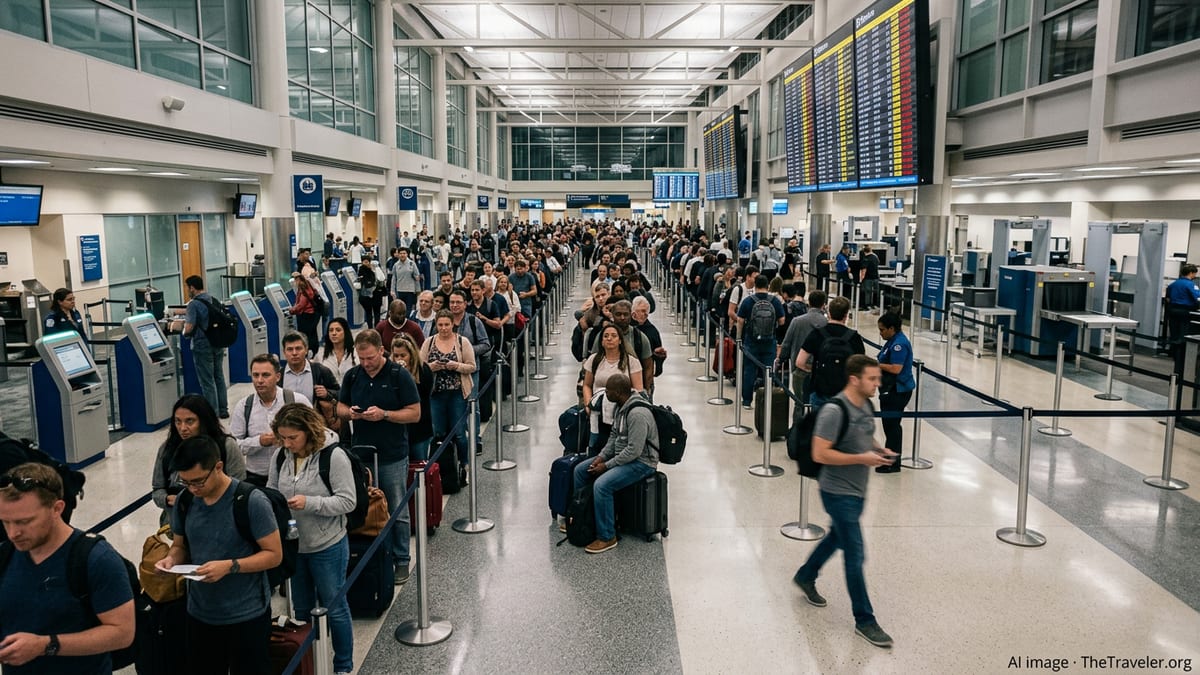
Ground Stops Collide With Record Holiday Demand
The turmoil unfolded on July 4 as severe thunderstorms around the Chicago area prompted air traffic managers to halt many departures bound for O’Hare, one of the nation’s busiest hubs. FAA advisories and airport status information indicated periods of ground stops and ground delay programs affecting traffic into the airport, sharply restricting arrivals at the height of the Independence Day getaway.
The timing could scarcely have been worse. Published projections for the long weekend showed U.S. air travel running at or near record levels, with Chicago O’Hare expected to handle heavy passenger volumes from Wednesday through Monday. United, which has been operating its largest-ever summer schedule from the airport, entered the holiday stretch with hundreds of daily departures tightly banked through the hub. That density left little margin once thunderstorms reduced capacity.
As the constraints took hold, United’s operation at O’Hare quickly came under strain. Publicly available flight-tracking and airport data for Saturday showed the airline accounting for the majority of cancellations at the airport, with its regional United Express partners particularly affected. The knock-on effect rippled throughout the domestic network as aircraft and crews fell out of position.
By Saturday evening, aggregated aviation data indicated that more than six hundred United and United Express flights tied to O’Hare’s schedule for July 4 had been canceled, with many more facing extended delays. Travelers across the country on flights connecting through Chicago reported diversions, rolling departure times and missed onward connections.
Why O’Hare Is So Vulnerable To Disruption
Chicago O’Hare’s essential role in United’s route map helps explain the scale of the disruption. The airline has been positioning the airport as its primary mid-continent hub, building to roughly 750 flights per day in peak summer and offering nonstop service to a broad network of domestic and international destinations. That concentration means that when O’Hare slows down, the impact is felt throughout the system.
Weather adds another layer of vulnerability. Thunderstorms common to the Upper Midwest in summer can force controllers to reduce arrival and departure rates, sometimes dramatically. When that happens, FAA managers may use tools such as ground stops and ground delay programs to meter inbound traffic, requiring airlines to hold departures at their origin airports or significantly push back scheduled times.
United’s hub structure amplifies these effects. Many itineraries rely on tight connections through Chicago, especially for smaller Midwestern, Great Plains and East Coast cities that depend on regional jets feeding into O’Hare. Once a bank of flights is disrupted, aircraft and crews may not be available for subsequent departures, causing cancellations long after the weather has passed.
Operational data and historical analyses have also highlighted that United’s cancellation rates at O’Hare can spike quickly when constraints are imposed. With the airline operating a record schedule from the airport in 2026, holiday-period storms leave little slack in the system for recovery, making a mass cancellation event more likely.
How Travelers Are Being Affected Across The Country
The immediate effects for passengers have included missed family gatherings, abandoned vacation plans and unplanned overnight stays far from home. Reports from major airports such as Newark, Denver, Houston and Washington Dulles described long lines at customer service desks and packed gate areas as travelers attempted to rebook around the O’Hare bottleneck.
Many flights headed into Chicago never made it, diverting instead to alternative airports when arrival slots vanished. Passengers recounted diversions to airports such as Cleveland or St. Louis, where they were left waiting for updated plans while aircraft were refueled and crews reassigned. In some instances, travelers reported being held on taxiways or at gates for hours as dispatch and air traffic staff worked through evolving restrictions.
Even travelers not originally scheduled to pass through Chicago have felt the disruption. With aircraft and crews tied up on misaligned rotations, some United flights on unrelated routes have been canceled or substantially delayed as the carrier attempts to rebalance its fleet. This has been particularly visible on evening departures, when the day’s earlier disruptions leave fewer options for substitution.
For international travelers, missed O’Hare connections have meant lengthy rebookings onto later transatlantic and transpacific departures, sometimes a day or more after originally planned itineraries. Families traveling with children and limited vacation windows have faced difficult choices about whether to continue trips or abandon them altogether.
What United Passengers Should Do Right Now
For travelers with United tickets over the remainder of the holiday weekend, the most important step is to stay on top of flight status information in real time. Same-day changes and rolling delays are common during a recovery period of this type, and published coverage indicates that departure times, gate assignments and even routings can shift repeatedly as conditions evolve.
United typically activates flexible travel policies when severe weather or air traffic programs significantly affect a hub. These waivers, when in place, often allow travelers to change flights within a defined date range and geographic area without paying change fees, though any difference in fare may still apply. Passengers are encouraged to review current policy details through the airline’s official channels and to consider proactively moving their trips if their plans are flexible.
Arriving early at the airport remains critical, especially for those who cannot avoid flying through O’Hare on July 5 or July 6. Security lines and check-in counters tend to swell as disrupted passengers rejoin the system and as new travelers begin their journeys. Building in extra time can help mitigate the stress of last-minute gate changes or rerouting.
Travelers whose flights have already been canceled should prioritize using digital tools, including airline apps and automated rebooking portals, rather than relying solely on in-person counters. Experience from past disruption events shows that self-service options are often updated faster than airport queues move, and may present alternative routings through other hubs that agents at a single airport do not immediately propose.
How The Disruption Could Evolve After The Holiday
Although the worst weather around Chicago may ease after the holiday itself, the operational consequences are likely to linger beyond July 4. Aircraft and crew schedules will need to be realigned, and some smaller markets may continue to see cancellations or downgauged aircraft as United works to reposition resources to its core banks at O’Hare.
Travel analysts note that the combination of record summer demand, aggressive hub schedules and increasingly volatile severe-weather patterns is making large-scale disruption events more common. Chicago, sitting at the intersection of multiple storm tracks and serving as a central connecting point for United, is especially exposed when those trends converge on peak travel days such as Independence Day.
For travelers planning future summer trips through O’Hare, this latest episode serves as a reminder to build in buffers when possible. Longer connection times, morning departures and contingency plans for overland alternatives can all reduce the risk of being stranded if another wave of ground stops or thunderstorms hits a key hub at the wrong moment.
As airlines and regulators continue to refine scheduling practices and traffic-management tools, passengers are likely to remain on the front line of disruption when severe weather and saturated schedules collide. For now, anyone traveling with United through Chicago this weekend should be prepared for continued turbulence both in the air and on the ground.