


More news on this day
American Airlines’ decision to pause a high profile contrail avoidance trial when jet fuel prices spiked has drawn renewed attention to the economic pressures that shape airlines’ climate strategies, even as the carrier expands its commitments to cleaner fuels and long term emissions targets.
Get the latest news straight to your inbox!
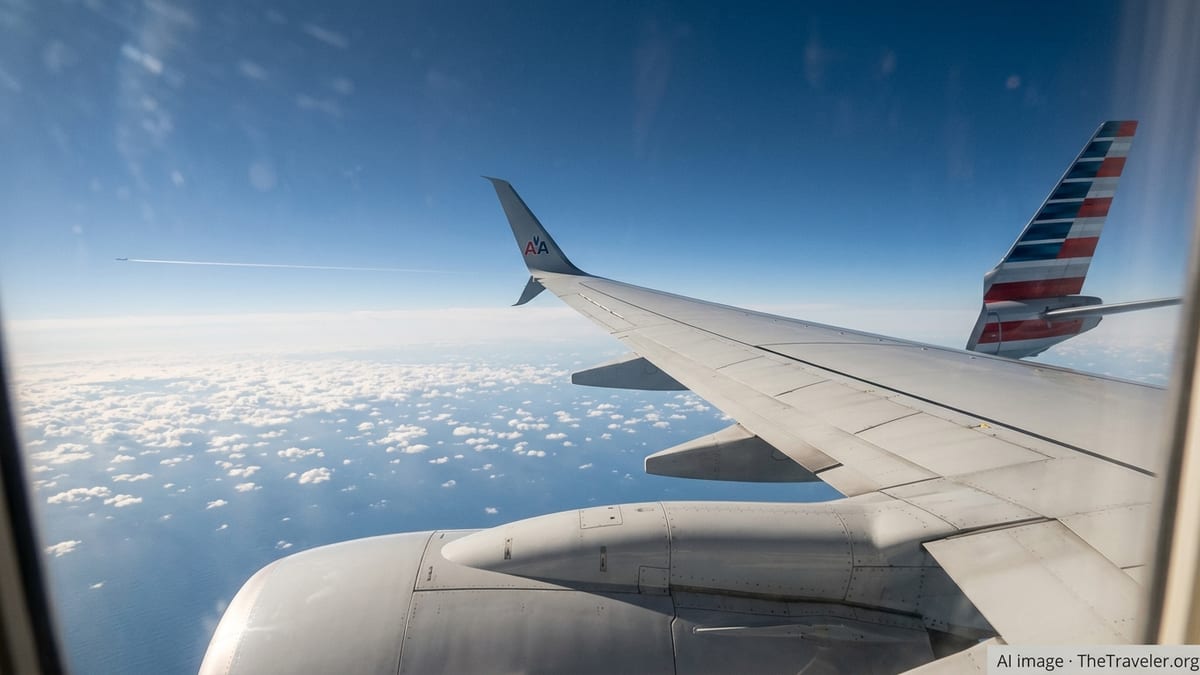
A Climate Experiment Takes Off, Then Stalls
American Airlines has been testing ways to reduce the climate impact of its flights beyond cutting carbon dioxide. One of the most closely watched efforts is a contrail avoidance project developed with technology partners, including a major tech company and specialist flight planning firms. The trial uses advanced forecasting and routing tools to steer some flights away from atmospheric conditions that are likely to produce persistent contrails, the icy clouds that research links to additional warming.
According to public descriptions of the program, participating flights accept small route or altitude adjustments designed to reduce contrail formation. Those changes can add flying time and distance, which increases fuel burn and operating cost. During an extended test period, American monitored performance, climate impact models and costs, positioning the initiative as a potential template for operational climate action across the industry.
The trial was paused, however, when jet fuel prices rose sharply. The timing underlined how quickly ambitious climate pilots can be reined in when underlying economics swing, even for an airline that has made high profile climate pledges and invested in sustainable aviation fuel and new technology.
Fuel Price Shock Meets Thin Margins
Commercial aviation operates on narrow margins, and fuel is typically one of an airline’s largest single expenses. Regulatory filings and investor presentations from American Airlines show that fuel costs can account for a significant share of total operating expenses and that the company generally does not hedge its fuel in the way some competitors do. This leaves the carrier more exposed to swings in global oil markets.
Publicly available financial reports indicate that the average price American pays per gallon has moved sharply in recent years, tracking the volatility seen after the pandemic downturn and the energy market disruptions linked to geopolitical tensions. When prices rise quickly, management attention tends to pivot to immediate cost control, from schedule adjustments to route economics.
In that context, a climate trial that deliberately increases fuel burn on selected flights, even modestly, becomes harder to justify in the short term. While the contrail project was designed to test climate benefits that could outweigh extra emissions, the near term financial picture shifted once jet fuel costs climbed, placing additional pressure on any initiative that raised consumption.
Balancing Climate Ambition and Cost Control
American Airlines has positioned itself as a leader on aviation climate action, publishing detailed sustainability and environmental reports and setting a long term net zero goal. The company highlights fleet renewal, efficiency measures and sustainable aviation fuel as pillars of its strategy. It has also announced a series of offtake agreements and partnerships with fuel producers and technology firms intended to help scale lower carbon options.
At the same time, those same disclosures emphasize that climate progress depends on commercial viability. Sustainable aviation fuel remains significantly more expensive than conventional jet fuel, and infrastructure for large scale production is still developing. Airlines, including American, have stressed the need for supportive policy tools and private capital to bridge the cost gap and make climate initiatives compatible with competitive ticket pricing.
The pause of the contrail avoidance trial illustrates that tension. The project sits at the intersection of innovation and cost: it showcases how operational changes and data driven routing can reduce non CO2 warming effects, but it also introduces incremental fuel use and complexity. When market conditions are favorable, such experiments can proceed as part of a broader climate portfolio. When costs jump, they are among the first elements to be revisited.
Implications for Sustainable Aviation Fuel and Future Trials
The decision has broader implications for American’s climate pathway, particularly its efforts to integrate more sustainable aviation fuel into operations. Public information on the airline’s net zero strategy shows a heavy reliance on replacing a portion of conventional jet fuel with lower carbon alternatives by 2030 and beyond. Scaling those supplies will require long term contracts and confidence that airlines can shoulder higher fuel costs or pass them on to customers.
By pausing a climate trial in response to fuel price spikes, American has highlighted a core risk facing sustainable aviation fuel deployment. If carriers step back from relatively small, controlled cost increases when markets tighten, investors and producers may question whether airlines will remain committed to much larger, structural cost premiums associated with alternative fuels over the coming decade.
Industry analysts note that trials like contrail avoidance can serve as lower cost climate tools compared with large volumes of premium priced fuel, especially when route optimization also improves efficiency on some flights. The temporary halt suggests that airlines may still rank climate initiatives by immediate financial impact, even when long term strategy documents emphasize the need for consistent, multi decade action.
What the Pause Signals for Travelers and the Industry
For travelers, the pause is unlikely to have a visible effect on day to day flying. Ticketed routes continue to operate, and contrail avoidance adjustments, when active, occur largely behind the scenes in flight planning systems. The episode instead offers a window into how airlines weigh environmental action against the financial realities that also determine fares, schedules and service levels.
For the aviation sector, American’s move underscores how fuel price volatility can slow or reshape climate efforts that depend on more expensive energy or operational trade offs. It also raises questions about the pace at which technologies that target non CO2 effects, such as contrails, will be adopted, given their sensitivity to fuel economics.
Observers of airline climate strategies point out that this is unlikely to be the last time a carrier adjusts an environmental pilot program in response to commodity markets. As American and its peers refine their net zero pathways, the challenge will be to design climate initiatives, including future contrail trials and sustainable aviation fuel procurement, that can withstand the inevitable swings in jet fuel prices without being repeatedly put on hold.