


More news on this day
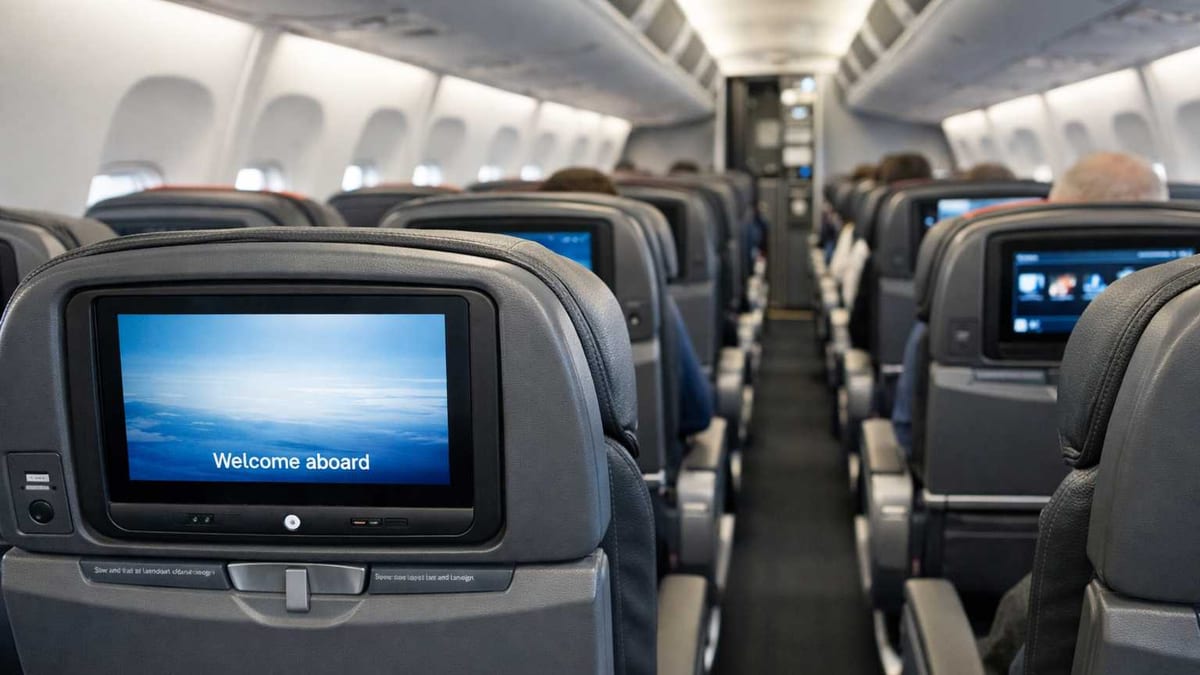
American Airlines is preparing to bring seatback entertainment screens back to its narrowbody fleet, marking a significant reversal of the carrier’s long-standing reliance on passengers’ personal devices for inflight entertainment.
Get the latest news straight to your inbox!
A Strategic Pivot After Years of BYOD Focus
For much of the past decade, American Airlines has been an outlier among major U.S. network carriers, prioritizing a bring-your-own-device model over installed inflight entertainment on domestic narrowbody aircraft. Publicly available information and prior coverage show that the airline removed most legacy screens from single-aisle jets while investing heavily in wireless streaming portals and high-speed connectivity instead.
That approach is now evolving. Reports indicate that American intends to equip future Airbus and Boeing narrowbody deliveries with modern seatback systems, while also planning for retrofits on portions of the existing fleet. The renewed focus on embedded screens represents a notable shift in philosophy for a carrier that once argued passengers preferred their own phones and tablets to built-in displays.
The decision comes as American continues a broader modernization of its onboard product, including premium-cabin upgrades, refreshed cabin interiors and expanded access to fast Wi‑Fi. The move toward seatback screens suggests that connectivity and built-in entertainment will increasingly be treated as complementary parts of the same experience rather than competing options.
New Narrowbody Cabins Designed Around Screens
Based on recent fleet announcements and industry reporting, the first narrowbody jets to feature the new entertainment systems are expected to be newly delivered aircraft from Airbus and Boeing later this decade. These jets are anticipated to debut with larger, high-resolution displays at every seat, along with features such as Bluetooth audio pairing and multiple charging options.
The design trend mirrors what has already been outlined for some of American’s long-haul aircraft, where 4K-capable screens, updated seat designs and enhanced storage have been highlighted in recent product reveals. Applying similar technology to domestic and short-haul narrowbody cabins would give the airline a more consistent look and feel across its network.
Retrofit programs are understood to be part of the plan, though full details around specific aircraft types and timelines have not yet been widely disclosed. Even so, the trajectory points toward a mixed narrowbody fleet in the coming years, with more aircraft offering built-in screens alongside those that continue to rely primarily on wireless streaming to personal devices.
Competitive Pressure in the U.S. Market
American’s pivot back toward seatback screens is unfolding against a backdrop of intensifying competition on the inflight experience. Delta Air Lines and United Airlines have both moved in recent years to expand or restore embedded entertainment systems across their mainline narrowbody fleets, positioning the feature as a key differentiator for travelers choosing between carriers.
JetBlue Airways, which helped normalize seatback entertainment on domestic routes, has also raised expectations by pairing screens with free connectivity and an expansive content library. As these airlines promote the convenience of not having to hold or prop up a personal device for hours, industry observers have increasingly questioned whether American’s device-only model would remain viable in the long term.
American’s updated stance suggests that customer preferences and competitive dynamics are exerting meaningful influence. While many passengers continue to travel with multiple personal devices, there is evidence that a substantial share still values a dedicated screen, particularly on longer domestic flights, overnight services and routes where power outlets may be heavily used for work instead of entertainment.
Balancing Connectivity, Cost and Sustainability
The airline’s earlier decision to remove most narrowbody seatback systems was frequently linked to cost and weight reductions. Embedded entertainment hardware adds ongoing maintenance expenses and contributes to fuel burn, considerations that carry both financial and environmental implications. Company reports have emphasized American’s focus on fleet efficiency and sustainability, citing aircraft weight reductions as part of its strategy to cut emissions.
Reintroducing screens will require a recalibration of that balance. New-generation inflight entertainment systems are lighter, more energy efficient and more modular than earlier designs, which may help mitigate the impact on fuel consumption and maintenance. At the same time, American is continuing to invest in next-generation satellite connectivity across its fleet, positioning high-speed Wi‑Fi as a core element of the onboard experience.
Industry analysis indicates that integrating modern screens with robust connectivity can create new revenue opportunities through premium content, partnerships and targeted advertising, potentially offsetting some of the additional costs. The airline’s evolving approach appears to aim at combining those commercial benefits with a passenger experience that better aligns with what rivals already offer.
What Passengers Can Expect in the Coming Years
For customers, the most visible change will be the gradual return of built-in entertainment options on more narrowbody routes. Travelers can expect to see individual touchscreens at each seat on newly delivered jets first, with interfaces that highlight movies, television, music and information alongside access to the onboard Wi‑Fi portal.
Cabins featuring the new systems are also likely to emphasize convenient device charging and storage, reflecting the reality that many passengers will still multitask across phones, tablets and laptops even when a seatback screen is available. Holders or stands for personal devices may appear alongside the screens themselves, particularly on aircraft where regional or shorter-haul missions remain important.
Because narrowbody fleets turn over and retrofit schedules stretch across multiple years, the shift will not be immediate. Passengers flying American in the near term will continue to encounter a mix of aircraft: some with only wireless entertainment to personal devices and others, especially on widebody routes, with more traditional seatback systems already in place. Over time, however, the growing presence of screens on single-aisle jets will signal how fully the airline has embraced its new direction.