


More news on this day
United Airlines’ airport lounges have placed second-worst overall in a new J.D. Power assessment of North American lounge satisfaction, underscoring growing traveler frustration with crowding, amenities and perceived value compared with rival carriers.
Get the latest news straight to your inbox!
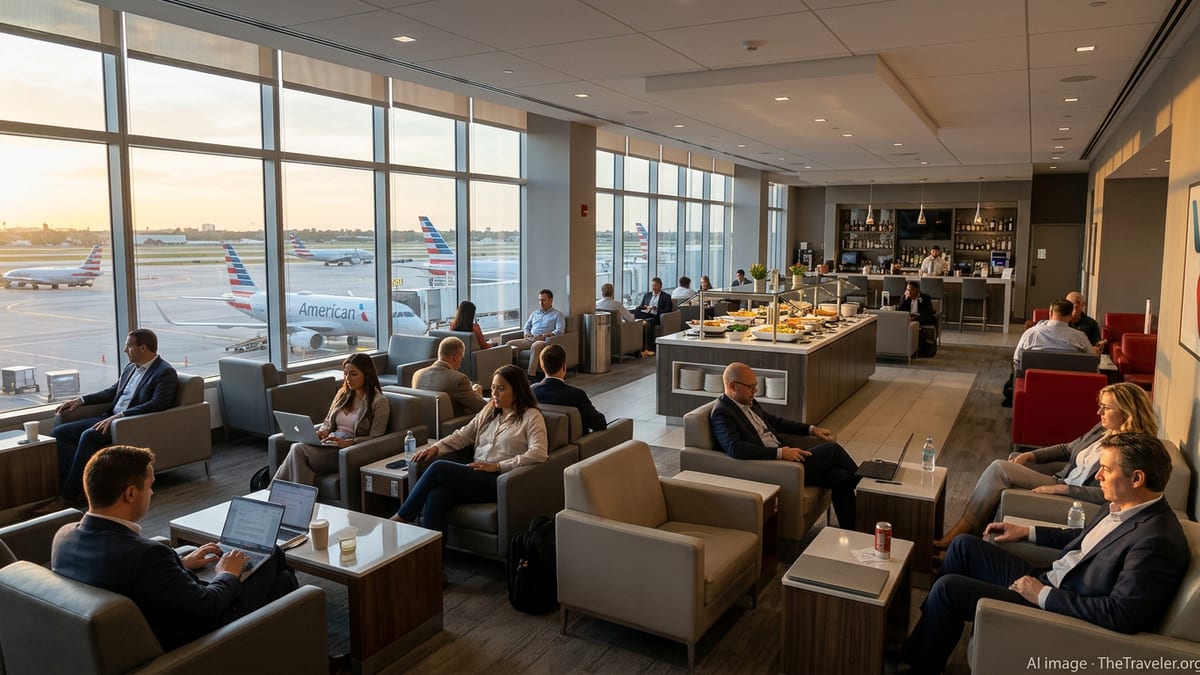
Study highlights wide gap in lounge satisfaction
The latest J.D. Power findings on North American airport lounges indicate a clear hierarchy among the largest U.S. airlines, with United’s clubs ranking just above the bottom of the pack. While the underlying research evaluates several dimensions of the lounge experience, including food and beverage, seating, design, cleanliness and staff service, United’s overall score lags competitors such as Delta Air Lines and American Airlines.
According to published coverage of the results, travelers expressed particular dissatisfaction with how United’s lounges balance price, access rules and the quality of what is offered inside. The carrier has leaned heavily on lounge memberships and co-branded credit cards to drive ancillary revenue, but the study suggests many customers do not feel they are receiving a premium experience in return for rising annual fees and day-pass prices.
J.D. Power’s travel and hospitality research has become a widely watched benchmark across the aviation industry, and the lounge rankings will likely intensify scrutiny of how United invests in its ground product at major hubs. Competing airlines that perform better in the survey may be able to convert that advantage into stronger loyalty among frequent flyers who place a high value on airport comfort between flights.
Crowding, design and food emerge as key pain points
Publicly available information on the study points to overcrowding as one of the strongest drivers of dissatisfaction across many North American lounges, and United’s network is no exception. Reports indicate that peak bank times at large hubs such as Newark Liberty, Chicago O’Hare, Denver and Washington Dulles often leave guests searching for seats and quiet workspaces, even in recently renovated spaces.
Travel commentary on United’s clubs frequently contrasts expansive square footage and modern finishes at some flagship locations with more dated or compact lounges elsewhere in the network. While newer clubs at select airports have been praised for improved layouts, natural light and upgraded furnishings, travelers still encounter older facilities where design and maintenance lag behind contemporary standards seen at competing carriers and independent lounges.
Food and beverage offerings are another recurring theme. The J.D. Power rankings reflect a market where travelers increasingly expect hot buffet items, healthier choices and a broader range of complimentary drinks. United has introduced enhanced snack bars and limited hot selections in some lounges, but many customers describe the food as modest for the price of access and inconsistent from one airport to another. That inconsistency appears to weigh on overall perceptions of quality.
Value concerns grow as access costs climb
The J.D. Power study arrives at a time when the cost of lounge access has risen across the industry. Membership fees, day passes and premium credit card annual charges have all edged higher, while access rules have tightened during peak periods in an effort to manage crowding. In this environment, travelers are increasingly focused on the value equation, comparing what they pay with what they receive inside the club.
For United customers, the second-worst ranking underlines a tension between the airline’s reliance on lounge-related revenue and the need to deliver a clearly differentiated experience. Some frequent flyers indicate that the convenience of Wi-Fi, power outlets, basic snacks and house drinks remains useful, but not significantly better than what can be found in upgraded terminal concourses, priority security lanes or nearby restaurants at many large airports.
Compared with premium products such as dedicated business-class lounges or newer credit card–backed spaces, United’s standard clubs can appear relatively basic. As more travelers sample a wider range of lounges through alliances and card benefits, their expectations for decor, service and dining continue to rise, making it harder for midtier offerings to stand out.
Competitive pressure from rival carriers and new lounge concepts
The J.D. Power findings also highlight how competition in the lounge segment has intensified. Airlines such as Delta and several international carriers have invested heavily in flagship lounges that emphasize restaurant-style dining, spa-like showers, barista coffee bars and curated design elements. These spaces often score highly in satisfaction surveys, creating a benchmark against which all other lounges are judged.
In parallel, credit card issuers and independent operators are expanding their own lounge brands, offering alternatives that do not require loyalty to a single airline. These facilities often position themselves as quieter, more upscale and less crowded, and published travel analysis notes that they can rival or surpass airline-run clubs in several key categories. This expansion makes it easier for well-traveled passengers to bypass an underperforming airline lounge altogether.
United’s near-bottom ranking therefore carries strategic implications beyond optics. If higher-spending customers increasingly choose competitors’ lounges or independent spaces at the same airports, the airline risks losing a touchpoint that has historically been central to building loyalty among frequent business travelers and long-haul premium customers.
How United might respond to a lagging lounge reputation
United has already embarked on a multiyear effort to refresh parts of its club network, adding new locations and overhauling some of the most heavily used lounges. Industry observers note that when these projects are completed, they can substantially improve the on-the-ground experience, particularly when square footage is expanded and layouts are designed to support today’s mix of remote work, family travel and quick connections.
However, the new J.D. Power ranking suggests that physical renovations alone may not be enough. Analysts point to staffing levels, line management at check-in, housekeeping frequency and real-time crowd control as additional factors that can significantly influence guest impressions. Technology for monitoring occupancy and directing travelers to less busy locations could also play a role in narrowing the gap with higher-ranked competitors.
For now, the survey outcome places renewed focus on how United balances access rules, pricing and investment in its lounges. With passenger volumes at major hubs remaining strong and travelers paying close attention to every aspect of their journey, the airline faces pressure to show measurable progress before the next round of satisfaction scores is released.