


More news on this day
Unprecedented flooding across Manitoba’s Parkland region has damaged critical infrastructure, disrupted health services and left travel warnings in place over a wide area, even as waters slowly begin to recede in some communities.
Get the latest news straight to your inbox!
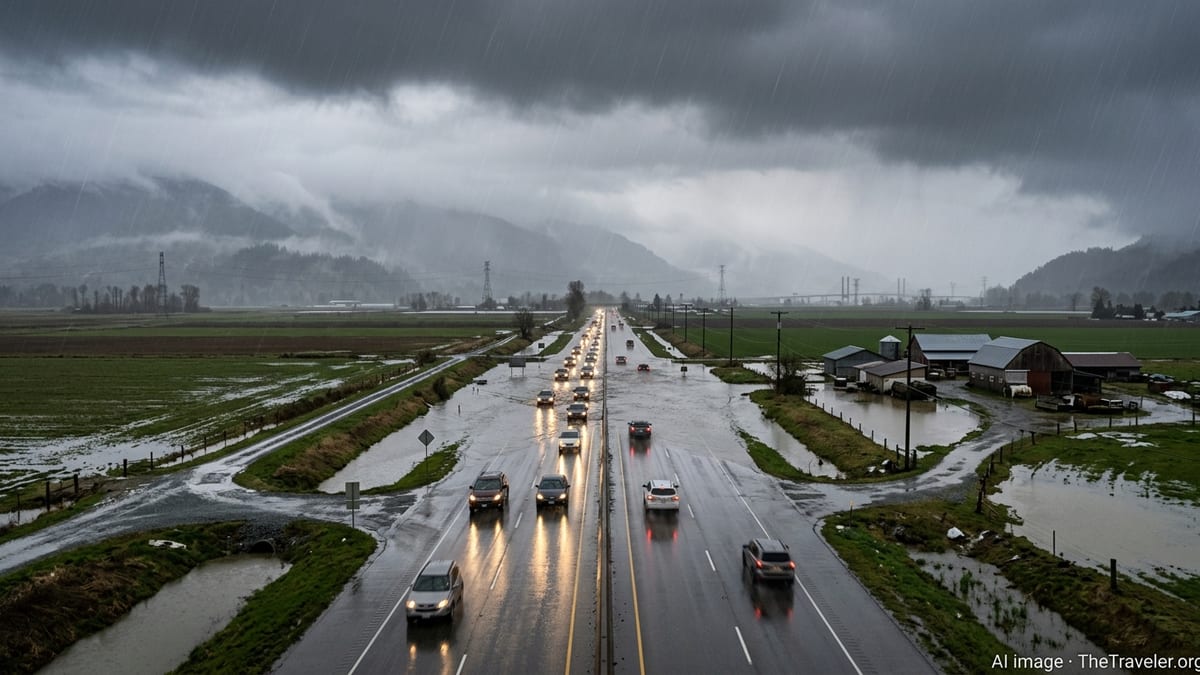
Record rainfall triggers states of emergency across Parkland
A powerful early-summer storm system that settled over western Manitoba between June 29 and July 1 brought more than 200 millimetres of rain to parts of the Parkland, overwhelming rivers, creeks and drainage systems. Provincial flood bulletins and regional coverage indicate that runoff quickly surged into populated areas, turning streets into channels and swamping low-lying neighbourhoods from Dauphin to Swan River.
By July 1, at least 30 communities in and around the Parkland had declared local states of emergency as overland floodwaters rose and river levels climbed. Public information from the Manitoba government describes widespread road washouts and damage to provincial infrastructure, with the Parkland and portions of the Interlake singled out as among the hardest-hit areas.
Local reports point to Dauphin, Swan River, Minitonas and rural municipalities such as Ethelbert as facing some of the most severe impacts. Roads into Duck Mountain Provincial Park were cut off by water or washouts, leaving park visitors and cottagers temporarily stranded while provincial crews and Manitoba Parks staff worked to restore safe access.
Hydrologic forecasts published by Manitoba’s Flood Forecast Centre describe the event as an overland flooding emergency affecting multiple basins at once, including the Swan River and tributaries feeding the Assiniboine system. Observers in the region characterize the scale of the damage as unlike previous floods, with both agricultural land and town centres saturated at the same time.
Travel warnings and road washouts reshape regional mobility
As floodwaters surged across highways and rural roads, Manitoba Transportation and Infrastructure issued broad no-travel advisories across the Parkland. Publicly available information describes a corridor stretching roughly from Russell north to Mafeking and from Dauphin Lake west to the Saskatchewan border where travel has been strongly discouraged except for essential purposes.
Regional broadcasters report that as many as 50 provincial roads in and around the Parkland are damaged, submerged or potentially washed out. This includes key east-west and north-south routes linking small communities, as well as access roads into Duck Mountain Provincial Park and adjacent recreational areas. In some locations, water flowing over the surface of the road carved out deep channels or undermined shoulders, leaving hazards that may not be immediately visible to drivers.
Environment Canada has maintained various alerts and special weather statements for western Manitoba, with guidance that heavy rain can cause flash flooding and severely reduce visibility. Local emergency messages emphasize that even where water appears shallow, fast-moving flows can quickly destabilize vehicles and that damaged culverts may leave sections of pavement unsupported.
Travel conditions remain highly variable as of the first weekend in July. Some roads have reopened or shifted to reduced-speed advisories as water levels fall, while others remain barricaded for detailed inspections and repairs. Public advisories continue to urge travelers to check the latest highway-status information before attempting to drive through the Parkland or between Manitoba and eastern Saskatchewan.
Health services strained as Dauphin hospital evacuated
The flooding’s most dramatic impact on essential services has been in Dauphin, where rising waters and a power outage forced the closure of the Dauphin Regional Health Centre and the evacuation of all in-patients. Statements from Prairie Mountain Health and Shared Health describe a complex overnight transfer operation that moved 54 patients to other facilities across the region.
Local coverage indicates that the hospital’s emergency department has been closed until further notice, with residents directed to seek urgent care in neighbouring communities such as Ste. Rose. A temporary clinic has been established in Dauphin to handle some non-emergency needs, but publicly available updates stress that health services in and around the city remain “very limited” while damage is assessed and recovery work continues.
Evacuations have also affected parts of Swan River, where municipal updates detail mandatory evacuation zones close to swollen waterways. Some of those orders began to ease by July 4 as localized conditions improved, but officials continue to caution that saturated ground and weakened riverbanks pose ongoing risks, particularly if additional heavy rain arrives.
Regional health authorities and emergency planners are now focused on maintaining continuity of care for displaced patients while planning for the longer process of restoring full services at Dauphin’s main hospital. Public statements describe a coordinated incident-command structure overseeing both health-system recovery and broader flood response across the Parkland.
Parks, cottages and farms count the cost of inundation
The Parkland’s mix of small towns, agricultural land, lakes and forested highlands has amplified the social and economic consequences of the flood. Manitoba Parks reports nearly 200 registered users in Duck Mountain Provincial Park alone, including campers, seasonal cottage owners and commercial operators, who were affected by power outages and road closures in and out of the highland area.
With roads cut off and power lines damaged, some cottagers and campground visitors were temporarily isolated until conditions stabilized enough to allow escorted travel and service restoration. Park staff and provincial partners have focused on clearing debris, restoring power and inspecting bridges and culverts to determine when full access can safely resume.
On surrounding farmland, extensive overland flooding has left fields ponded and access roads deeply rutted or washed out. Agricultural organizations and insurance industry commentators note that this event follows an already challenging year of variable moisture, raising concerns about crop losses and the financial strain on producers who face both direct damage and delayed fieldwork.
Local business districts have also been hit, with reports of water entering basements, saturating parking lots and disrupting deliveries. Communities are beginning the slow process of pumping out flooded structures, assessing structural damage and documenting losses to support potential claims under provincial disaster financial assistance programs once they are fully activated for the region.
Ongoing risks and what travelers should know now
Despite some signs of improvement, Manitoba’s most recent flood bulletins maintain overland flood warnings and watches across portions of western and northwestern Manitoba, including the Parkland. Forecasts for the coming days point to a continued risk of localized heavy showers, which could quickly worsen conditions on already saturated ground.
Travelers planning trips through Dauphin, Swan River, Duck Mountain Provincial Park or adjacent rural municipalities are being advised, through provincial and municipal channels, to reconsider non-essential journeys. Publicly available guidance stresses checking current highway reports, avoiding any road covered by water and allowing extra time for detours and reduced speeds where temporary repairs are in place.
Tourism operators and accommodation providers across the region are adjusting operations in response to the evolving situation, with some campgrounds and lodges remaining closed until access and utilities are fully restored. Visitors already in the area are encouraged by official travel advisories to stay informed through local radio, municipal announcements and provincial emergency information, and to follow instructions related to any evacuation notices or restricted zones.
With river levels expected to remain elevated into mid-July, emergency planners and local governments across Manitoba’s Parkland are preparing for an extended response and cleanup period. The full impact on infrastructure, tourism and agriculture is not yet known, but early assessments suggest the flooding will shape travel and recovery decisions in this part of Manitoba for weeks and months to come.