


More news on this day
With the 2026 Atlantic hurricane season officially underway, the United States and major Caribbean gateways in Mexico, Jamaica, the Dominican Republic and Cuba are intensifying preparations as forecasters warn that even a below-normal year can still cause significant disruption to international air travel.
Get the latest news straight to your inbox!
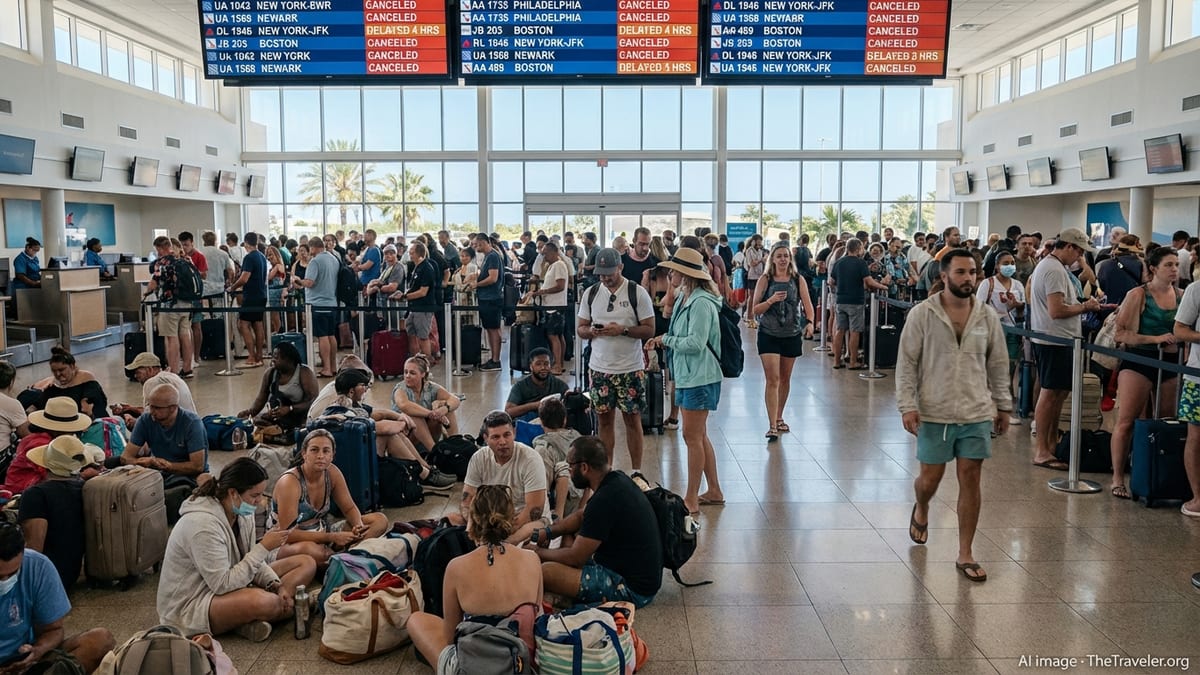
Forecasts Signal Quieter Season, Persistent Travel Risk
Seasonal outlooks for the 2026 Atlantic hurricane season point to a lower than average number of storms, but aviation and tourism analysts note that a single landfalling hurricane can ground hundreds of flights and strand tens of thousands of travelers across the region. Climate and weather agencies in North America and the Caribbean describe the current season as likely to be near or below average in terms of overall storm activity, yet still capable of producing multiple intense systems that intersect with heavily traveled air corridors.
Publicly available information from the National Oceanic and Atmospheric Administration indicates that the Atlantic basin from June to November 2026 is expected to see fewer named storms and hurricanes than in recent hyperactive years. Forecast documents highlight cooler Atlantic waters and atmospheric patterns that limit rapid intensification compared with the mid 2020s. Travel risk specialists caution, however, that the relationship between total storm counts and disruption is weak, because a modest season can still produce a direct hit on a major hub such as Miami, Cancun, Montego Bay or Punta Cana.
Regional climate bulletins for the Caribbean tourism sector emphasize that resorts and airports in Cuba, Jamaica and the Dominican Republic sit directly in the path of typical storm tracks, especially from August through October. Even if storms weaken before landfall, outer bands can bring heavy rain, low visibility and crosswinds that prompt airlines to cancel or divert flights well ahead of any official warning, creating cascading delays across North American and European networks.
United States Tightens Aviation and Emergency Coordination
In the United States, federal agencies and airport authorities have entered the core of hurricane season with updated playbooks for managing prolonged weather disruptions. Public advisories from the National Hurricane Center and the National Weather Service are feeding into airline operations centers and major hub airports, enabling earlier ground-stop decisions and staggered departures when storms threaten the Gulf Coast or Eastern Seaboard.
Recent preparedness guidance from federal emergency and maritime agencies stresses the need for residents and visitors to have personal plans in place before tropical systems form, including awareness of evacuation zones and the possibility of airport closures. While the primary focus remains on life safety and coastal flooding, aviation planners note that large scale evacuations often coincide with intense demand spikes at airports such as Houston, New Orleans, Tampa and Miami, where security and check-in queues can expand sharply and flights can sell out within hours.
Industry briefings indicate that U.S. carriers are pre-positioning aircraft outside projected impact zones and reviewing waiver policies that allow passengers to change dates or destinations when tropical systems enter forecast cones. Several large airports along the Atlantic and Gulf coasts have also publicized upgrades to backup power systems, flood protection and runway drainage since recent seasons, aiming to shorten closure windows and restore international operations more quickly after storms pass.
Mexico Balances Pacific and Caribbean Storm Threats
Mexico faces a dual challenge in 2026, with an active outlook in the eastern Pacific and ongoing vulnerability in Caribbean-facing destinations. Forecasts from national and international meteorological services point to an elevated number of named storms in the eastern Pacific this year, increasing the probability that cyclones could affect resort areas along the Pacific coast, including popular gateways such as Los Cabos, Puerto Vallarta and Acapulco.
Travel advice published by Mexican government portals in May underscored that hurricane impacts extend across both coasts and can disrupt not only flights but also highways, fuel supply and power to airports. Authorities highlighted that even when storm centers remain offshore, high surf and heavy rains can lead to temporary runway closures in tourist regions such as the Riviera Maya and Cancun, which form a major bridge for U.S. and European visitors heading toward the wider Caribbean.
Airline timetables for the summer and fall show dense traffic between U.S. cities and Mexican beach destinations, particularly during school holidays and major events. Aviation analysts note that when a tropical system approaches the Yucatan Peninsula, airlines often consolidate departures, bring forward flights or suspend operations for 24 to 48 hours, creating ripple effects that disrupt onward connections to Cuba, Jamaica and the Dominican Republic for travelers using Mexico as a regional jumping off point.
Caribbean Hubs Brace for Flight Disruptions and Overseas Emergencies
Jamaica, the Dominican Republic and Cuba are among the Caribbean states identified in recent humanitarian and climate risk assessments as being highly exposed to hurricane impacts in 2026. Regional situation reports from international organizations point to lingering vulnerabilities in infrastructure and health systems after previous seasons, as well as the limited capacity of local airports to absorb prolonged closures without affecting tourism dependent economies.
Major international gateways such as Montego Bay, Kingston, Punta Cana, Santo Domingo and Havana serve as critical nodes for travelers transiting between North America, Europe and smaller Caribbean islands. When storms threaten these hubs, airlines typically reposition aircraft to safer locations and suspend operations, which can leave visitors sheltering in place at resorts or urban hotels for several days. Consular advisories in recent years have urged travelers to maintain extra funds, medications and copies of travel documents in case commercial flights remain unavailable after a storm passes.
Emergency management guidance within the region highlights the risk of secondary crises during and after hurricanes, including power outages, water shortages and disruptions to medical services that can complicate care for tourists and residents alike. Health focused situation reports covering earlier seasons documented cases in which damaged facilities, contaminated water and vector borne disease concerns added layers of complexity for travelers awaiting evacuation or repatriation flights, particularly in Cuba and Jamaica.
Travel Industry Response and Advice for International Passengers
Airlines, cruise companies and tour operators servicing the United States, Mexico and the wider Caribbean have been adjusting policies and communications in light of the 2026 outlook. Publicly available statements from major carriers emphasize flexible rebooking options during named storms, while travel trade bulletins point to growing use of dynamic scheduling tools that allow rapid changes to aircraft rotation and crew positioning when watches and warnings are issued.
Travel insurance providers are also flagging hurricane related provisions as the core of their summer and fall offerings for routes into the Gulf of Mexico and Caribbean Sea. Policy summaries show increased emphasis on coverage for trip interruption, additional accommodation costs and emergency medical evacuation, reflecting lessons learned from earlier seasons in which airports remained closed for longer than anticipated and local health systems came under strain.
Consumer travel guidance circulating ahead of the 2026 peak season advises passengers heading to or through the United States, Mexico, Jamaica, the Dominican Republic and Cuba to monitor official weather updates frequently, register with consular services when available and keep itineraries as flexible as possible. Experts recommend scheduling critical events a day or two after arrival, building in buffer time for missed connections and considering routing options that offer alternative hubs in case primary airports experience prolonged closures due to storms.