


More news on this day
Train services through central Auckland are gradually resuming after Waitematā station reopened, following a nearby building fire that closed the city’s main rail hub and led to widespread cancellations.
Get the latest news straight to your inbox!
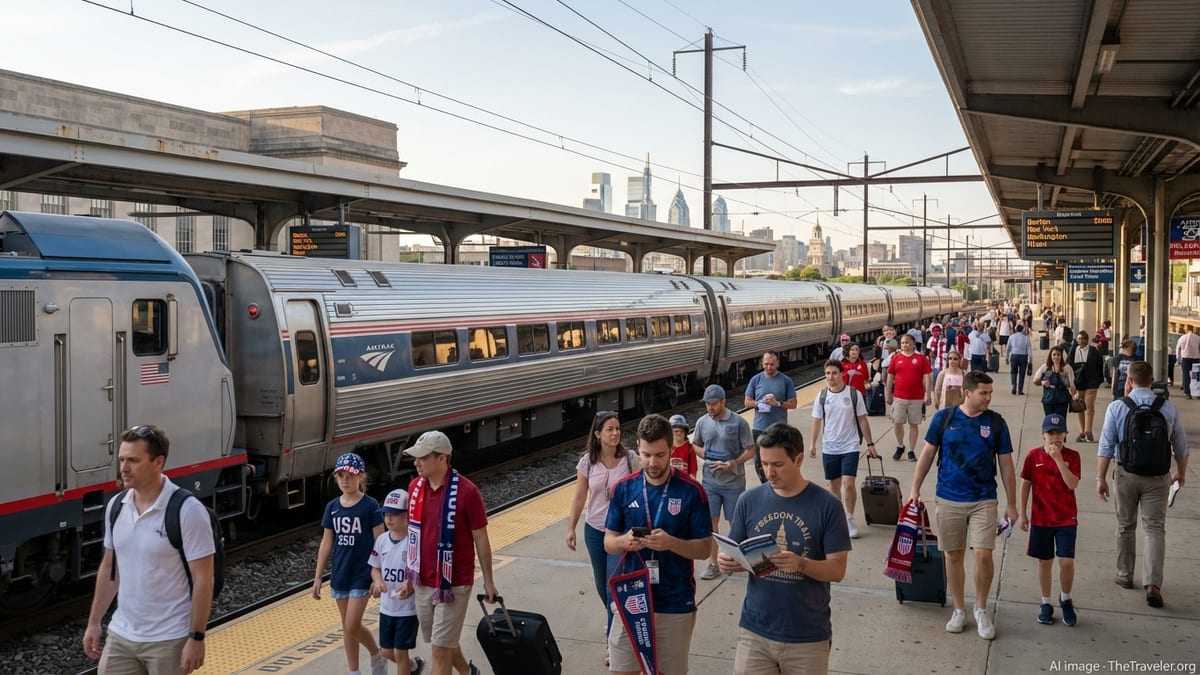
Central hub back in operation after emergency closure
Waitematā station, the primary rail gateway for central Auckland, has reopened after emergency services responded to a fire in a neighbouring building that prompted an evacuation and full shutdown of the underground station. The incident, which unfolded on Saturday, caused significant disruption across the city’s rail network as trains were stopped from entering the central terminus.
According to publicly available information, services were initially halted while smoke and fire activity near the station precinct were brought under control and the area was declared safe to reoccupy. Train operations have since restarted, with operators advising that services may remain subject to delays and residual cancellations as timetables are reset.
Published coverage indicates that Waitematā, formerly known as Britomart, plays a pivotal role in Auckland’s rail network, functioning as the key interchange for lines linking the city centre with suburbs and satellite centres across Tāmaki Makaurau. Any closure at this location has immediate knock-on effects across the wider system.
Early reports from the scene described commuters being held on trains outside the city centre while emergency procedures were followed. With the station now reopened, passengers are being allowed back into the concourse and platforms, although some crowding and queuing is expected as normal operations resume.
Impact on commuters and city centre travel
The sudden shutdown of Waitematā station left many weekend travellers in search of alternative routes into and out of the central business district. Services on multiple lines that usually start or terminate at Waitematā were cancelled or turned back at outer stations, affecting journeys across the eastern and southern parts of the network in particular.
Publicly available travel updates show that the disruption coincided with busy midwinter weekend movements, with people heading into the city for work, shopping, hospitality and events. Some passengers were advised to continue their journeys by bus or on foot from nearby stops and hubs, adding time and complexity to what are normally straightforward trips.
While full rail replacement buses were not immediately deployed across the network, existing bus routes and ferry services absorbed some of the displaced demand. Travellers heading to the waterfront and central city venues were encouraged to factor in extra time and to check digital journey planners for the latest information.
As trains begin running through Waitematā again, operational staff are working to reposition rolling stock and crew to restore regular patterns. Transport information channels are advising customers that it may take some time before services fully align with published timetables.
Why Waitematā is critical to Auckland’s rail network
Waitematā station is regarded as the central node of Auckland’s modern rail system, connecting suburban lines with the city’s primary employment and entertainment districts. Opened in its original form in 2003 and later reconfigured for the City Rail Link project, it serves as the main arrival point for many commuters entering the core of the city.
Information from Auckland transport and tourism materials describes Waitematā as an underground through-station designed to handle high passenger volumes and frequent services, linking rapidly growing suburbs with the waterfront and commercial core. The station also connects directly with the Te Komititanga civic square and nearby bus and ferry terminals, creating a multimodal interchange in the heart of the central city.
Because of this central role, even a short closure has a disproportionate effect on the wider network. Train crews and control centres must quickly redesign service patterns, often turning trains back at intermediate stations, which can lead to crowding and confusion for passengers unfamiliar with altered stopping patterns.
Saturday’s incident highlights the operational sensitivity of the city’s rail operations to events in and around Waitematā, reinforcing the importance of contingency planning as Auckland prepares for increased frequencies and new routes under the City Rail Link programme.
Advice for passengers as services resume
Transport advisories recommend that passengers check real-time information channels before travelling into the city centre for the remainder of the weekend. With signalling and train diagrams adjusted during the emergency, some services may operate with gaps, altered stopping patterns or platform changes as the network returns to normal.
Commuters using the rail system to connect with buses or ferries at the downtown waterfront are being encouraged to allow additional transfer time. Publicly available updates note that crowding is possible on early services following the reopening, particularly on routes that were heavily disrupted during the closure period.
Travellers with fixed appointments or event tickets in central Auckland are advised to consider earlier trains where possible, especially while timetables are still recovering. Those unfamiliar with the rail layout around Waitematā may find it useful to follow local wayfinding signs within the station and surrounding public spaces when moving between trains, buses and ferries.
Digital platforms and station information boards are expected to carry the latest service status, including any lingering delays or partial cancellations resulting from the incident.
Safety response under scrutiny after nearby fire
The rapid shutdown of Waitematā following reports of a nearby fire has drawn attention to the safety systems and protocols that govern Auckland’s underground rail infrastructure. Publicly available descriptions of the station’s design indicate that it is equipped with modern ventilation, evacuation routes and emergency access points intended to protect passengers and staff in the event of smoke or fire in or around the complex.
Coverage of the incident notes that trains were prevented from entering the affected area while checks were undertaken, reflecting a conservative approach to risk in a confined underground environment. Similar responses to fire alarms or smoke incidents in major rail hubs in other cities typically involve clearing platforms, stopping trains from approaching and coordinating closely with emergency services until hazards are ruled out.
In the aftermath of Saturday’s disruption, attention is likely to focus on how quickly information flowed to passengers during the closure and what improvements could help reduce confusion in future events. Transport agencies commonly review communication processes, signage and digital alerts following such incidents to identify any gaps in the way real-time updates are shared with travellers.
As Auckland continues to expand its rail network and bring new underground sections into service, the Waitematā incident serves as a reminder of the challenges of managing safety, reliability and clear communication in a complex, high-demand transport hub.