


More news on this day
Airlines in the United States are accelerating investment in Airbus A321 aircraft, aligning with carriers in Germany, France, the United Kingdom, Turkey and Spain that are turning to the stretched narrowbody to power global growth while improving fuel efficiency and passenger amenities.
Get the latest news straight to your inbox!
A321neo Becomes a Transatlantic Workhorse
Publicly available fleet data shows the Airbus A321 family has shifted from a traditional short haul role to a core platform for transatlantic and longer medium haul flying. The latest A321neo and long range A321XLR variants offer widebody style range and cabin features in a single aisle airframe, allowing airlines to open thinner routes that would not support larger twin aisle aircraft.
As of 2025, industry figures indicate more than 3,400 Airbus A321s are in service worldwide, with the neo variant accounting for an increasing share of deliveries. Order and delivery statistics show more than 7,000 A321neo aircraft on order from nearly 90 customers, underscoring how central the type has become to airline fleet strategies.
The extended range of the A321neo family is particularly relevant on North Atlantic and intra European routes. Carriers in the United States, Germany, France, the United Kingdom, Turkey and Spain are positioning the aircraft on dense business corridors, key leisure markets and secondary city pairs that previously required connections through major hubs.
United States Airlines Lean Into Airbus Narrowbodies
In the United States, fleet plans published by major carriers point to a decisive expansion of A321 operations. United Airlines has highlighted the A321neo and forthcoming A321XLR as central to a multi year narrowbody renewal, presenting the type as a complement and, in some cases, an alternative to delayed Boeing 737 variants. Company presentations describe the custom configured A321neo “Coastliner” as a flagship transcontinental product with lie flat business class seats and an upgraded premium economy and economy cabin.
Financial filings and order summaries indicate United has well over one hundred A321neo family aircraft on order, including earlier commitments to 50 A321XLRs intended to replace aging Boeing 757 200s on longer missions. More recent communications outline a plan to take delivery of more than 250 new aircraft across its fleet by April 2028, with the A321neo playing a significant role in that ramp up.
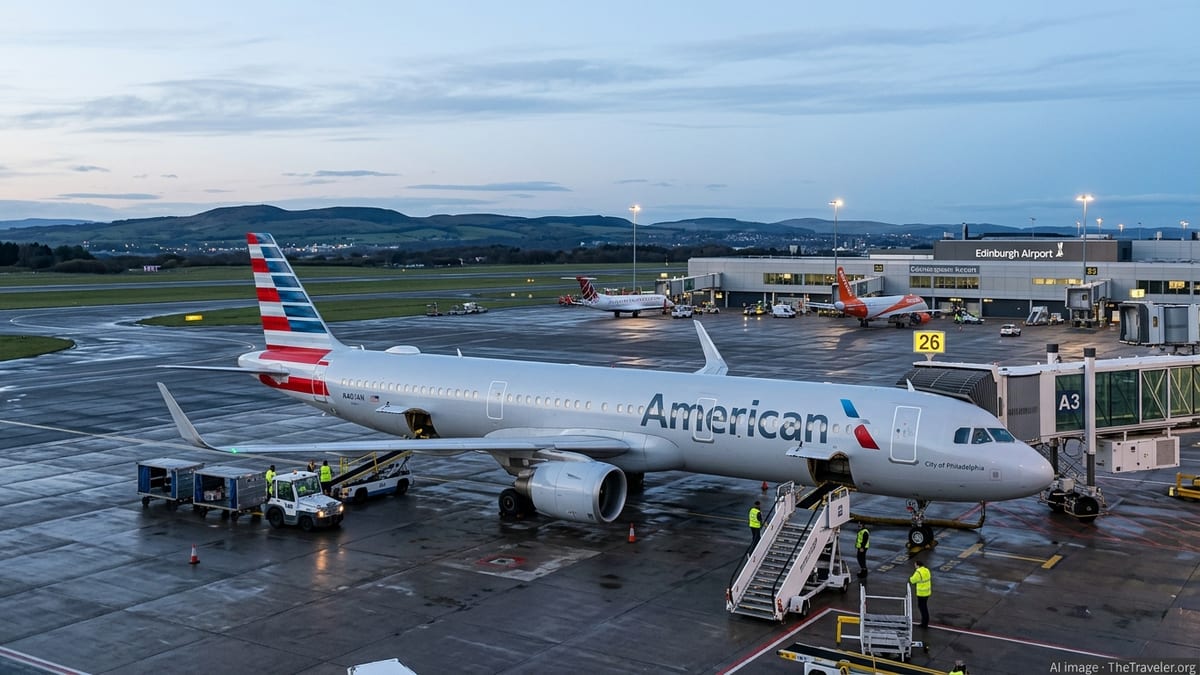
American Airlines has also deepened its reliance on the A321 family. Fleet tables as of mid 2025 list both A321neo and A321XLR aircraft alongside a large installed base of earlier generation A321s. The carrier has framed its A321neo orders as part of a broader domestic and short haul refresh, pairing higher gauge aircraft with densified layouts and updated cabins on high demand routes.
Other US operators, including low cost and leisure focused airlines, continue to evaluate or expand A321neo fleets, positioning the aircraft for coast to coast services, sun destinations and high volume city pairs where additional seats and lower operating costs can support competitive fares.
European Majors in Germany, France and the UK Scale Up
Across the Atlantic, European network carriers have been early adopters of the A321neo and are now moving into larger scale deployment. In Germany, the Lufthansa Group has progressively converted options for A320neo family aircraft into firm orders, including multiple tranches of A321neo units. Group fleet planning materials describe the type as a backbone for intra European services and as a feeder for long haul hubs in Frankfurt and Munich.
In France, Air France and group partner airlines have turned to the A321neo and A321XLR to support both European and medium haul operations. Publicly available information indicates that Air France and its partners intend to use the XLR to connect key French and secondary European cities with destinations in North Africa, the Middle East and potentially select transatlantic markets, taking advantage of the aircraft’s extended range and lower fuel burn per seat.
In the United Kingdom, British Airways parent International Airlines Group has continued to grow its A321neo presence at London Heathrow and other bases, while also allocating additional A321neo aircraft to subsidiary carriers. The group has highlighted the flexibility of the type for slot constrained hubs, where adding capacity through larger narrowbodies can be more practical than securing new takeoff and landing slots.
Turkey and Spain Use the A321neo to Drive Tourism Growth
In Turkey, both the national carrier and low cost airlines are relying heavily on the A321neo to support rapid growth in tourism and regional connectivity. Turkish Airlines has taken delivery of A321neo aircraft with high density cabin configurations and cabin flex exits, allowing more seats on busy routes from Istanbul to European, Middle Eastern and domestic destinations. Fleet data indicates the A321neo is now one of the most numerous narrowbody types in the airline’s operation.
Low cost carrier Pegasus Airlines has also embraced the A321neo as it moves toward a predominantly Airbus narrowbody fleet. Sector reports and airline disclosures show that A320neo and A321neo aircraft make up a large majority of its operating fleet, with dozens more A321neo units on order. Pegasus has cited the aircraft’s economics and range as key tools in expanding point to point routes across Europe, the Caucasus and the Middle East.
Spain’s leading carriers are similarly aligning their growth strategies with the A321neo family. Iberia has positioned the A321XLR as a future transatlantic and Latin American connector, with published announcements stating that the airline expects to be among the first globally to deploy the new variant. Schedules filed for late 2024 and beyond indicate plans to operate A321XLRs on routes between Spain and several cities in the United States, replacing or supplementing widebody aircraft on select frequencies.
Within the Spanish domestic and European market, Vueling and other group airlines are increasing reliance on higher capacity narrowbodies to capture robust leisure demand. The A321neo’s ability to serve slot constrained airports such as Barcelona and Palma de Mallorca with more seats per movement is viewed as a competitive advantage during peak holiday seasons.
Network Strategies Shift as Single Aisle Range Grows
The widespread adoption of the Airbus A321neo family is reshaping network planning for airlines in the United States and across Europe. With range capabilities now extending well beyond traditional short haul segments, carriers can deploy single aisle aircraft on routes previously reserved for widebodies, while still offering lie flat premium seating, high bandwidth connectivity and other long haul amenities.
For United States based airlines, this shift opens opportunities to add non stop services from secondary hubs and focus cities to destinations in Europe, Latin America and the Caribbean. For carriers in Germany, France, the United Kingdom, Turkey and Spain, the same capability supports more direct links to North American, African and Middle Eastern markets, often with greater schedule frequency and lower risk per flight.
Airline disclosures and manufacturer data suggest that environmental performance is also a core driver of the A321neo’s popularity. The type’s new generation engines and aerodynamic enhancements can cut fuel burn and carbon emissions per seat significantly compared with previous generation narrowbodies, an increasingly important factor as regulators and travelers scrutinize the climate impact of aviation.
With thousands of A321neo family aircraft still in the order backlog and new cabin concepts under development, the presence of the type in US, European and Turkish fleets is expected to grow steadily through the end of the decade. The result is a gradual rebalancing of global operations toward high capability single aisle jets that blur the traditional line between short, medium and long haul flying.