


More news on this day
The United States has rescinded a temporary shelter in place directive for government personnel in Matamoros following recent roadblocks and security operations, but public information shows that the wider Level 4 do not travel warning for the Mexican border state of Tamaulipas remains unchanged.
Get the latest news straight to your inbox!
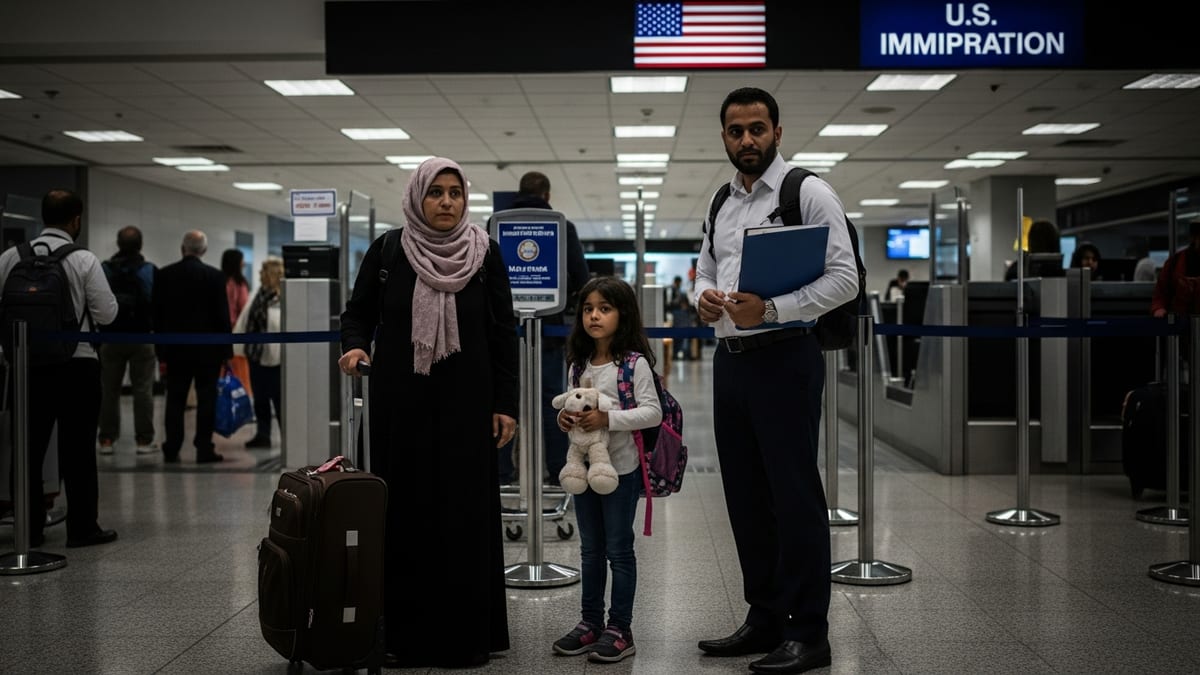
Shelter Order Lifted After Roadblocks in Matamoros
Recent coverage from Mexican and regional outlets indicates that the U.S. Consulate in Matamoros issued a security alert in late October 2026 after roadblocks, gunfire reports, and federal security operations disrupted movement across parts of the city. The alert instructed U.S. government employees to shelter in place and avoid travel within Matamoros while the situation unfolded.
Follow up reports published on October 30 describe a subsequent update in which the consulate lifted the shelter in place order once authorities cleared key routes and traffic slowly resumed. The move effectively ended the immediate movement restrictions that had applied to official staff and signaled that the specific incident prompting the alert had passed.
Local coverage from Tamaulipas notes that the security episode led to the temporary suspension of operations at some maquiladora plants and commercial establishments in Matamoros, reflecting the degree of disruption to daily life and cross border trade activity. Traffic toward the Veterans International Bridge and other crossing points was reported as heavily affected during the height of the incident.
While the incident specific alert has been withdrawn, publicly available information shows that consular messaging continues to emphasize the volatile nature of security conditions in Matamoros and elsewhere in Tamaulipas, particularly in relation to organized crime clashes, road blockades, and opportunistic crime affecting motorists.
Tamaulipas Remains Under Level 4 Do Not Travel Advisory
Separate from short term security alerts, the overarching U.S. State Department travel advisory for Mexico continues to classify Tamaulipas as a Level 4 do not travel state due to crime and kidnapping. The Mexico advisory explains that Level 4 is the highest risk category and is reserved for locations where there is a greater likelihood of life threatening dangers and limited ability for U.S. officials to assist in an emergency.
In the state by state breakdown for Mexico, Tamaulipas is listed alongside Colima, Guerrero, Michoacán, Sinaloa, and Zacatecas as locations where travel is strongly discouraged. Publicly available advisory text highlights concerns about armed criminal groups, carjackings, kidnappings, and violent confrontations that can occur without warning in urban areas, on highways, and near ports of entry.
Although advisories are periodically reviewed, the most recent Mexico notice available still reflects Tamaulipas at Level 4. There is no indication in the published material that the lifting of the Matamoros shelter order altered the broader classification for the state. Travelers considering any trip into Tamaulipas are therefore being asked, through official online guidance, to recognize that the long standing do not travel designation remains fully in effect.
Background information from U.S. government travel security publications notes that Level 4 locations may also have restrictions on the movements of U.S. government employees, such as limitations on intercity road travel, nighttime driving, or use of particular highways. These internal rules are intended to reduce staff exposure to risks that may not be immediately apparent to short term visitors.
What the Change Means for Border Crossers and Travelers
The lifting of the shelter in place directive in Matamoros primarily affects U.S. government personnel and contractors assigned to the consulate and related facilities in the city. For them, the change means that routine official movements inside Matamoros can resume, subject to any standing restrictions on road use or hours of travel that remain in force under internal security rules.
For private travelers and cross border commuters, the end of the shelter order may result in more predictable local traffic conditions and fewer sudden closures around certain neighborhoods or main arteries. However, the continuing Level 4 advisory for the wider state underscores that personal travel into Tamaulipas is still considered high risk and is not recommended in publicly accessible U.S. guidance.
Residents in the Rio Grande Valley of Texas and so called Winter Texans who regularly cross into northern Mexico for shopping, medical appointments, or leisure continue to receive specific messaging in regional media reminding them of the heightened security concerns associated with Tamaulipas. Earlier advisories aimed at seasonal visitors have reiterated that even seemingly routine trips, such as highway journeys between border cities, can carry elevated risk in the current environment.
Given the combination of an unchanged Level 4 advisory and the recent need for a shelter in place alert inside Matamoros, risk management specialists generally point to the value of contingency planning. That can include preparing alternate routes, confirming the operating status of clinics, hotels, and bus lines in advance, and remaining alert for sudden changes such as roadblocks or law enforcement operations that can disrupt movement with little warning.
Guidance for Americans Weighing Travel to Tamaulipas
Publicly available U.S. government guidance states that travelers should avoid destinations subject to Level 4 advisories when possible and should leave such areas when conditions allow. In practice, that means many U.S. citizens looking at nonessential trips to Tamaulipas are advised in official online material to reconsider their plans or re route their travel to other parts of Mexico with lower advisory levels.
For individuals who nonetheless choose to travel, open source recommendations emphasize several risk reduction steps. These include enrolling in the Smart Traveler Enrollment Program, monitoring the State Department travel advisory page and U.S. Mission Mexico security alerts, and maintaining close contact with family or colleagues in the United States who can assist in an emergency.
Additional guidance suggests avoiding intercity bus routes that have been highlighted in past advisories for kidnapping and robbery incidents, limiting driving to daylight hours, and refraining from using unofficial taxi services or ride arrangements with strangers. Travelers are also encouraged to keep identification and communication devices readily accessible and to maintain a low profile in public spaces.
Travel experts and insurance industry summaries note that some travel insurance policies may limit or exclude coverage for trips into locations listed as Level 4. Prospective visitors weighing a journey into Tamaulipas may therefore wish to review policy language carefully and confirm whether emergency medical evacuation or trip interruption benefits would apply.
Implications for Regional Travel Patterns in Northern Mexico
The contrast between Tamaulipas and neighboring states with lower advisory levels is shaping cross border travel patterns along the northern Mexico corridor. Public advisories cite states such as Nuevo Leon or Coahuila at lower risk tiers, which in some cases has encouraged travelers to favor routes and destinations that bypass Tamaulipas despite the proximity of its border cities to Texas.
For airlines, bus operators, and tour providers, continuing Level 4 guidance for Tamaulipas can influence route planning, insurance costs, and customer demand. Some regional travel products aimed at U.S. visitors now highlight itineraries that connect Texas entry points with destinations deeper inside Mexico via alternative road or air corridors that avoid high risk areas along the Gulf Coast.
Meanwhile, Matamoros itself remains an important industrial and logistics hub on the U.S. Mexico border, which means periodic security incidents such as the late October roadblocks have broader implications for trade and supply chains. Even when alerts are short lived, they can prompt companies to review staff movement policies, shuttle routes, and cargo schedules on both sides of the frontier.
As the busy winter and spring travel seasons approach, the lifting of the Matamoros shelter order removes one immediate constraint, but the persistent Level 4 status for Tamaulipas keeps the state squarely in focus for risk analysts and cross border travelers who are closely watching for any further changes in official security guidance.