


More news on this day
The U.S. Embassy in Beirut has issued a new security alert linked to Yemen-based Houthi hostilities and the wider regional conflict, underscoring mounting concerns over potential strikes, aviation disruption, and the limited ability of U.S. officials to assist citizens in Lebanon.
Get the latest news straight to your inbox!
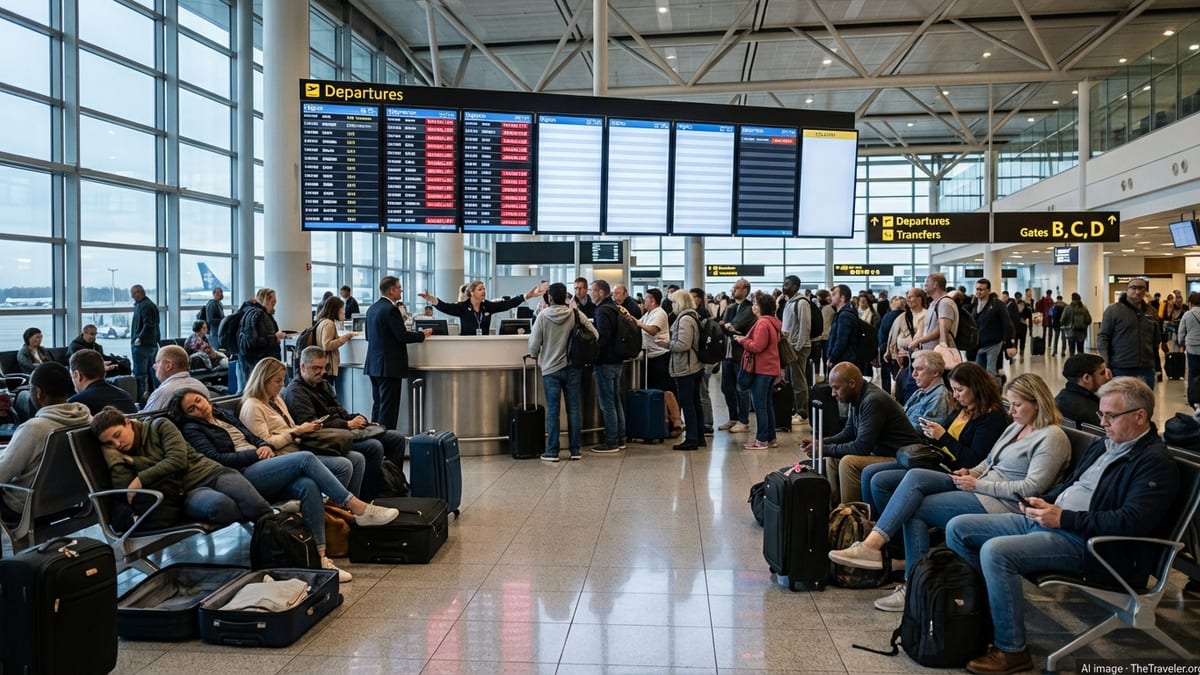
New Security Alert Follows Heightened Regional Tensions
The latest security alert from the U.S. Embassy in Beirut, dated October 24, 2026, comes as diplomatic missions across the Middle East update guidance in response to renewed Houthi attacks and fears of broader escalation. Publicly available summaries of the alert indicate that U.S. citizens in Lebanon are being urged to closely monitor the evolving situation and be prepared for sudden changes to travel plans.
The alert does not state that Beirut–Rafic Hariri International Airport is closed or that Lebanese airspace has been shut. However, it highlights the possibility of abrupt flight cancellations, diversions, or other operational disruptions tied to the regional security environment. Travelers are advised through published coverage to remain ready for schedule changes and to stay in frequent contact with airlines.
The notice builds on a pattern of coordinated messages from U.S. embassies across the Middle East stressing a complex security picture. Recent alerts in neighboring countries have also referenced the risk of spillover from the ongoing conflict involving Iran and its allied groups, including the Houthis in Yemen, as well as active hostilities in Lebanon itself.
Travel Advisory: Lebanon Remains at “Do Not Travel” Level
The new security alert arrives only days after the U.S. State Department updated its Lebanon Country Travel Advisory on October 23, 2026, keeping the destination at Level 4, “Do Not Travel.” The advisory cites crime, terrorism, civil unrest, kidnapping, the presence of landmines, and armed conflict as key factors, and stresses that U.S. officials face significant constraints in providing emergency assistance.
Publicly available information on the advisory notes that U.S. government personnel in Beirut are subject to strict movement restrictions and must obtain advance permission for personal travel within Lebanon. This posture reflects not only the risk from local actors such as Hezbollah and other armed groups, but also the possibility that regional confrontations could quickly affect Lebanese territory.
For travelers, the advisory means routine tourism to Lebanon is strongly discouraged by U.S. authorities, and those already in the country are urged to maintain a low profile, prepare contingency plans, and ensure that travel documents are current. Commercial services remain limited, and consular support may be curtailed or temporarily suspended if security conditions deteriorate.
Houthi Threat Extends From Saudi Arabia to Key Maritime Routes
The Beirut alert specifically references Iranian-supported Houthi operations, reflecting U.S. concern that their activities are shaping risk assessments far beyond Yemen. According to recent maritime security bulletins, Houthi forces have previously targeted commercial vessels in the Red Sea, Bab el Mandeb Strait, Gulf of Aden, Arabian Sea, and surrounding waters, affecting major shipping corridors between Asia, Europe, and the Mediterranean.
Although no recent attack on commercial shipping has been reported since a ceasefire around late 2025, U.S. maritime advisories still point to the Houthis as an enduring threat to U.S.-linked assets and regional stability. Earlier incidents, including missile and drone strikes on bulk carriers and container ships, prompted rerouting of traffic around the Cape of Good Hope and higher insurance premiums for voyages near Yemen.
In October 2026, media coverage indicates that the focus of Houthi activity has again shifted toward Saudi Arabia, including deadly strikes on civilian airports and other infrastructure. One attack on Riyadh’s main airport earlier in the month reportedly led to multiple fatalities and an extended closure, prompting air carriers to suspend or divert flights across parts of the region. These developments are a central reason why embassies, including the mission in Beirut, are emphasizing the potential for wider aviation disruption.
Coordinated Embassy Messaging on Aviation and Personal Security
Reports on recent diplomatic communications show that U.S. embassies in Lebanon, Israel, Iraq, Jordan, and Gulf states have issued broadly similar alerts in October 2026. These messages urge “heightened vigilance” and draw attention to the likelihood of sudden airspace restrictions, airport closures, and commercial-flight cancellations in response to missile or drone threats directed at regional hubs.
In Lebanon, this has translated into specific guidance for U.S. citizens to review their departure options and to avoid relying on a single route in or out of the country. Travelers are encouraged, based on publicly accessible advisories, to have backup plans for transiting through alternative airports or adjusting overland travel if regional air corridors are temporarily suspended.
The embassy’s messaging also highlights that security incidents elsewhere in the Middle East can rapidly affect Lebanon-bound travel, even if no strike occurs on Lebanese soil. Air carriers may preemptively reroute aircraft to avoid perceived risk areas, and regional aviation regulators can impose short-notice restrictions that cascade across timetables. For travelers, this means that itineraries involving Beirut can be disrupted by events in Saudi Arabia, Yemen, Israel, or the wider Gulf.
What the Alert Means for Travelers in and Around Lebanon
For U.S. citizens currently in Lebanon, the October 24 alert reinforces existing State Department advice to maintain a robust personal security posture. Open sources recommend that individuals keep informed through local media, be aware of nearby shelters or secure areas, and remain alert to changes such as increased military activity, air-defense sirens, or visible damage to transport infrastructure.
Travelers passing through Beirut as part of a wider regional itinerary are advised in publicly available travel briefings to build flexibility into their plans. This can include allowing extra connection time, carrying sufficient funds and essential medications to cope with delays, and confirming that travel insurance covers disruptions resulting from armed conflict or official security measures.
For those considering future trips, the combination of a Level 4 advisory and recurring security alerts signals that leisure travel to Lebanon and neighboring conflict zones carries elevated risk. Business or humanitarian travel that proceeds despite the warnings is expected to involve detailed contingency planning, including verifying the status of flights shortly before departure and staying registered with official information services that provide updated alerts.