


More news on this day
The United States has closed its investigation into Delta Air Lines’ massive 2024 operational disruption linked to a global CrowdStrike IT outage, opting not to impose penalties while highlighting the carrier’s extensive customer reimbursements and the growing regulatory focus on how airlines handle large-scale technology failures.
Get the latest news straight to your inbox!
Regulator Closes File on High-Profile 2024 Meltdown
According to recent coverage by Reuters and other outlets, the U.S. Department of Transportation has formally ended its probe into Delta’s July 2024 operational disruption without issuing fines or other enforcement actions. The review centered on whether the carrier complied with passenger-protection rules during one of the most disruptive events to hit a U.S. airline in recent years.
Publicly available information indicates that regulators examined Delta’s handling of cancellations, delays, refunds and passenger assistance after the CrowdStrike-related outage triggered days of chaos across the airline’s network. Reports describe the decision to close the investigation as a recognition that Delta ultimately provided required cash refunds and support, even as the magnitude and duration of its meltdown drew intense scrutiny.
Coverage of the decision notes that the department’s review took place against the backdrop of broader efforts to toughen consumer protections in air travel. The closure of the case without penalties is being interpreted in industry circles as a signal that regulators believe existing rules were largely followed, but that expectations for future disruptions have now been clearly defined.
How the CrowdStrike Outage Brought Delta to a Standstill
The 2024 disruption traced back to a faulty software update from cybersecurity firm CrowdStrike that hit Microsoft-based systems worldwide. Airlines, banks, hospitals and government agencies all experienced outages, but Delta’s operations were among the hardest hit in U.S. aviation, with cancellations and delays stretching for days after competitors had largely stabilized their schedules.
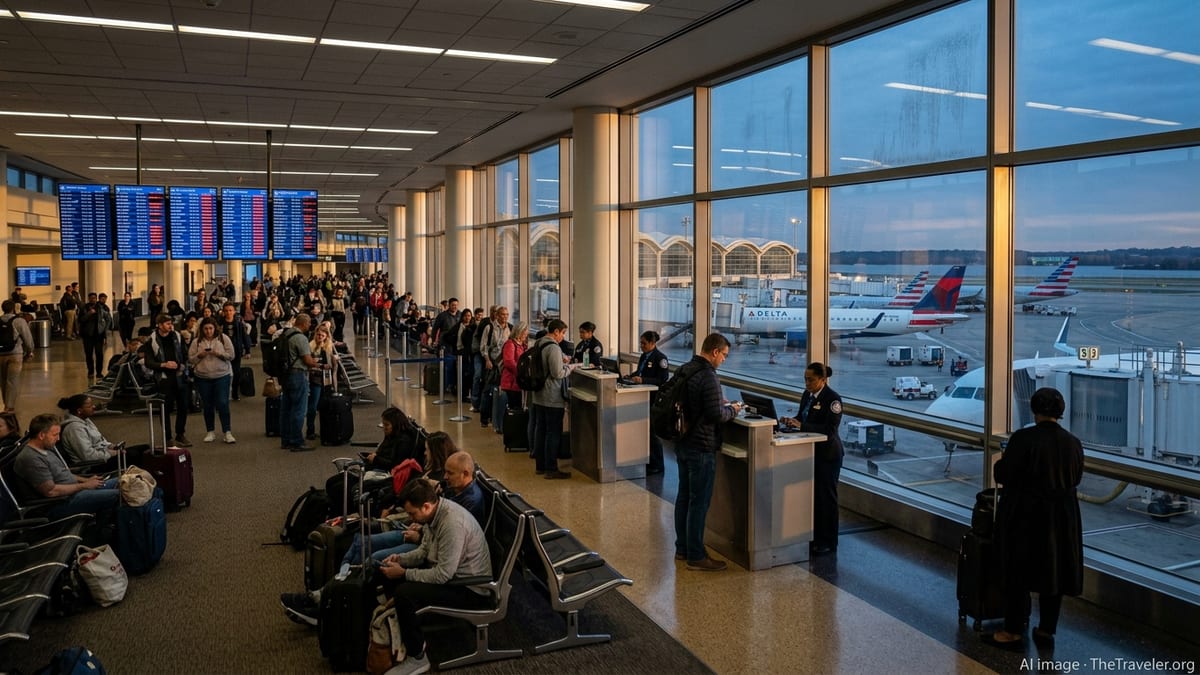
Public records summarizing the event show that Delta canceled more than 7,000 flights over the course of the week, affecting travel plans for an estimated 1.3 million customers. Ground stops, crew dislocations, aircraft out of position and overloaded customer-service channels combined to create scenes of packed terminals, long rebooking lines and stranded travelers across the United States and in key international hubs.
Industry analyses published after the disruption pointed to Delta’s particular IT architecture and tighter security controls as possible reasons the carrier struggled longer than rivals to restore normal operations. While other airlines were able to reboot systems more quickly, Delta reportedly faced a more laborious process to validate and reset affected components, which magnified the operational fallout.
Refunds, Vouchers and Changing Passenger Expectations
The now-closed investigation focused less on the technical root causes of the meltdown and more on how Delta treated passengers once problems emerged. Publicly available regulatory summaries and news reports indicate that officials examined whether customers received the cash refunds and expense reimbursements required under federal rules when flights are canceled or significantly changed by the airline.
Delta separately detailed a package of remediation measures in corporate updates after the event. Those measures included automatic refunds of certain checked bag fees, flexible rebooking options and various gestures of goodwill such as travel credits for some affected customers. Analysis in the business press has suggested that the full cost of the disruption, including compensation and operational recovery, reached approximately 500 million dollars for the airline.
Consumer advocates have pointed to the 2024 episode as a turning point in public expectations around airline accountability during IT failures. While the closure of the investigation without penalties indicates that Delta met core legal obligations, the scale of the disruption and the tidal wave of complaints filed at the time are being used in policy debates as evidence that passengers expect faster communication, clearer real-time information and more automatic compensation when technology collapses.
Regulatory Signals for Future Airline IT Crises
The outcome of the Delta case is being closely watched across the airline industry because it offers early clues about how U.S. regulators may respond to similar incidents in the future. Policy papers and congressional research produced after the CrowdStrike outages have emphasized that technology reliability is now central to aviation safety, economic stability and consumer confidence.
By public accounts, the department’s decision to close the probe while publicly acknowledging Delta’s customer-care efforts sends a dual message. On one hand, regulators appear willing to consider the unprecedented, third-party nature of a global IT failure when assessing an airline’s response. On the other, the intense spotlight on Delta’s performance has reinforced that carriers are expected to have robust contingency plans, redundant systems and clear playbooks for large-scale disruptions.
Industry commentators note that the case will likely inform ongoing rulemaking around automatic refunds, fee transparency and minimum assistance standards for passengers caught up in operational breakdowns. Even without fines, the investigation’s trajectory suggests that operational resilience and customer treatment during crises are now central metrics by which airlines will be judged.
Delta’s Continuing Legal and Operational Fallout
Although the federal probe has ended, the ripple effects of the 2024 meltdown remain significant for Delta. Court filings show that the airline has launched a high-value lawsuit against CrowdStrike, seeking to recover hundreds of millions of dollars in alleged losses tied to the outage and its aftermath. CrowdStrike has in turn pursued its own legal responses, underscoring the broader corporate stakes of the incident.
Within Delta, publicly available corporate communications and financial disclosures suggest that the carrier has accelerated investments in technology resilience, backup systems and crisis-management processes. Analysts tracking the company say the meltdown has become a reference point in earnings calls and investor presentations when discussing operational reliability and capital spending on IT.
For travelers, the closure of the federal investigation provides some clarity on how regulators view Delta’s response to the 2024 crisis, but the episode continues to shape conversations about what protections passengers should expect when airline systems fail. The incident has become a case study in the risks of highly interconnected technology and the growing expectation that airlines be prepared to shield customers from the worst effects of those vulnerabilities.