


More news on this day
The United States has issued a targeted Level 4 “Do Not Travel” alert for a flood-ravaged transport corridor in central Nepal, urging citizens to avoid overland journeys through the devastated Rasuwa–Nuwakot–Dhading region as deadly Himalayan floods continue to disrupt roads, communications and rescue efforts.
Get the latest news straight to your inbox!
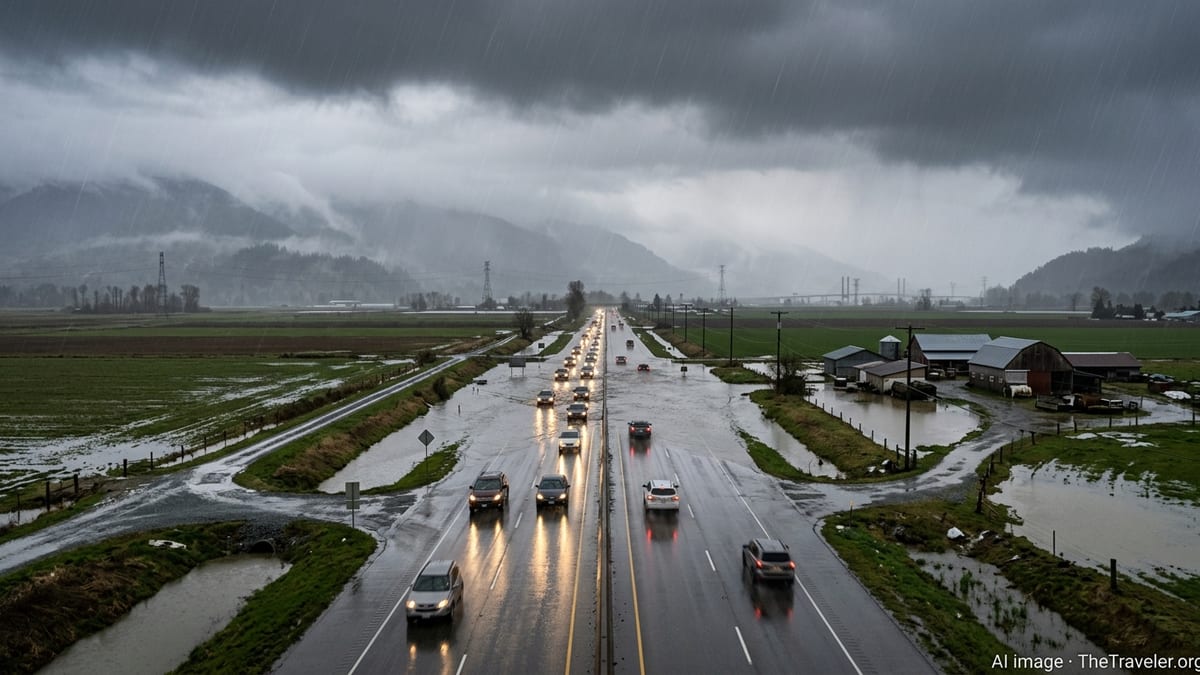
Targeted Level 4 Warning Focuses on Rasuwagadhi Corridor
According to published U.S. travel advisory updates, the Rasuwagadhi–Timure–Syafrubesi area of Rasuwa district and the adjoining Nepal–China border crossing have been placed under a Level 4 “Do Not Travel” classification following catastrophic flooding on August 26, 2026. Publicly available information indicates that roads, bridges and communications infrastructure along this section of the border corridor suffered extensive damage when a glacial collapse sent a torrent of water and debris down the Bhote Koshi and Trishuli river systems.
The updated advisory, highlighted in local English-language coverage, notes that overland travel along the affected corridor remains highly unpredictable as search, rescue and recovery operations continue. Reports indicate that the warning does not apply to all of Nepal, which remains under a broader Level 2 “Exercise Increased Caution” advisory, but instead targets specific districts where the risk of further landslides and road failure is still considered extreme.
Publicly accessible guidance from U.S. consular channels further advises citizens already in Rasuwa, Nuwakot and Dhading districts to stay away from riverbanks and low-lying areas, seek higher ground where necessary and avoid entering disaster zones independently.
Glacial Collapse Triggers Catastrophic Flooding
Regional and international media reports describe the August 26 disaster as one of the most severe flood events in recent years along the Nepal–China frontier. A sudden glacial collapse high in the Himalaya is reported to have released a surge of water, rock and ice that raced downstream into the Bhote Koshi and Trishuli river basins, sweeping away settlements, hydropower sites and key sections of highway in both Nepal and Tibet.
Coverage from wire services and specialist climate outlets indicates that entire stretches of riverbank road, including bridges and tunnels, were either submerged or torn apart in minutes. Hydrological analyses cited in these reports highlight a rapid rise in river levels and the formation of new lakes upstream, raising concerns about additional outburst floods and ongoing instability in steep, landslide-prone terrain.
Travel-focused reporting notes that these same valleys form vital links between Kathmandu, the Rasuwagadhi–Gyirong border crossing and several well-known trekking gateways. With critical bridges and road sections destroyed or buried under debris, authorities and aid organizations are working to restore access for emergency teams while warning non-essential travelers to stay away.
Transport Disruptions Ripple Across Central Nepal
Publicly available updates from foreign travel advisories in Australia and the United Kingdom describe widespread disruption across central Nepal’s overland network following the floods. Notices point to damage and restrictions along the Prithvi Highway and connecting routes such as the Galchhi–Nuwakot–Rasuwa–Syafrubesi road and the Mugling–Narayangadh stretch, which are key arteries for both local residents and international visitors.
These advisories recommend avoiding flood and landslide-affected areas, checking road and weather conditions before departing, and confirming transport arrangements directly with airlines, bus operators and tour companies. They also highlight the risk of sudden road closures due to new landslides or ongoing engineering work to stabilize slopes and repair washed-out sections.
Travel industry commentary compiled in recent days indicates that some domestic flights and treks in unaffected regions continue to operate, but operators are reviewing itineraries that rely on road access through the affected corridor. Many are reported to be adjusting routes, shifting departure points or postponing departures while monitoring official updates.
International Partners Update Their Own Travel Advice
The U.S. decision to apply a localized “Do Not Travel” label to the Rasuwagadhi corridor comes as several other governments revise their own guidance for Nepal-bound travelers. Australia’s Smartraveller site, for example, urges a high degree of caution countrywide and specifically warns against travel to flood-stricken border districts, while advising travelers already in the region to avoid waterways and follow local safety instructions.
The United Kingdom’s foreign travel advice similarly highlights the August 26 flooding in Rasuwa district and the Nepal–China border area, drawing attention to widespread damage and ongoing rescue operations. European media coverage notes that hundreds of foreign visitors were among those affected, prompting a wave of updated advisories and emergency contact information for citizens abroad.
Despite the severe localized impact, these advisories generally stop short of blanket bans on travel to Nepal. Instead, they emphasize careful planning, avoidance of disaster zones, and close monitoring of official channels for route-specific information, reflecting a more targeted approach similar to the U.S. corridor-focused Level 4 warning.
What the Advisory Means for Future Nepal Travel
Travel analysts quoted in recent coverage suggest that the new U.S. warning is likely to reshape itineraries in the short term, particularly for travelers planning overland journeys between Kathmandu and the Tibet border or itineraries that rely on the Rasuwa–Nuwakot–Dhading road network. Industry briefings recommend maintaining flexible plans, booking refundable tickets where possible and ensuring that travel insurance policies include coverage for natural disasters, evacuations and trip disruption.
Public guidance from consular and travel-advice platforms stresses the importance of enrolling in traveler registration systems, maintaining regular contact with hotels and tour operators, and using text or internet messaging to communicate when voice networks are disrupted. Travelers are also encouraged to avoid traveling simply to observe flood damage and to respect ongoing rescue and recovery work in affected communities.
For visitors already in Nepal or considering upcoming trips, published advice consistently underscores the need to distinguish between the high-risk corridor now subject to a “Do Not Travel” alert and other parts of the country where tourism remains open but where seasonal monsoon hazards such as landslides and flash floods still require vigilance.
U.S. Department of State Travel Advisories
OnlineKhabar: US travel advisory on Nepal